

 Gibraltar Federation of Small Businesses


 Gibraltar Federation of Small Businesses

We hosted a follow-up to last year’s Brexit Agreement Town Hall an event that captured the unease and ambiguity surrounding Gibraltar’s future outside the EU. One year on, the tone has shifted. Following last week’s joint UK-EU announcement of a political agreement, this latest session held at the Gibtelecom Conference Hall (and generously sponsored by TSN Lawyers) reflected a cautiously optimistic business community that is seeking clarity.
GFSB Chairperson Owen Smith opened the session by reminding attendees that the event was not intended to provide concrete answers, but rather to hold space for sharing views and concerns. The panel included representatives from Gibraltar’s legal, media, business and on-the-ground retail perspectives.:
What’s changed since last year?
Apart from the obvious agreement, last year, the sentiment in the room was one of frustration. Now, while some sectors remain on edge, the outlook is more hopeful.
“A no-deal scenario would have been an economic catastrophe. This is progress. We now need to work out how small businesses adapt.” Gigi Sene (Beacon Press)
“I feel quite optimistic. After so many years of uncertainty, this agreement could create opportunities. But it will also create challenges, especially for businesses not used to fluid trade across the border.” Ramesh Karnani (GFSB Board of Directors)
“Positivity generally in so far that an agreement has been announced, but it’s the detail that’s important for some sectors of the economy, the retail and wholesale sector is rightly concerned – other sectors of the economy maybe are a little more relaxed and happy” Louis Montegriffo (BMI Group Estate Agents)
Sector-specific concerns
While the political agreement is seen as a major step forward, several speakers and attendees questioned how inclusive it is. For example;
In Focus: Funding
Alongside wider concerns, some discussion focused on what support might be available to help businesses adjust to any future tax changes. While details remain limited, there is talk of a possible scheme from the Gibraltar Government aimed at providing funding at the same time that the transaction tax comes in. This could involve funding for training, tourism promotion incentives discount potentially backed by contributions from the gaming and finance sectors.
In Focus: Transaction Tax
Since the event, we’ve followed up with panellists and can share the latest thinking on one of the most talked-about issues: the transactional tax and double taxes.
From the information now in the public domain it is clear that the transaction tax will not be payable on top of VAT or IVA if it has already been paid.
The proposed transactional tax is expected to replace VAT-style charges where paid, not stack on top of them. VAT refunds for wholesale imports are not expected to end ( although the transaction tax would be payable on import to Gibraltar). One panellist pointed out that it will be down to customs authorities to apply the rules consistently, and much will depend on their interpretation. It’s seems that some form of customs post may have to remain for commercial importations – but how this will function or where it will be located are not yet clear.
Concerns were raised about the possibility of UK goods being hit twice, with a 12 percent tariff and a 17 percent transactional tax, pushing up prices by nearly 30 percent.
Panellists have since clarified that such a scenario is unlikely, provided goods meet UK–EU rules of origin. Under the Trade and Cooperation Agreement, UK-origin goods should enter the EU tariff free. The catch lies in establishing origin, which is not always straightforward, especially for items made in multiple countries. Think smartphones, or clothing manufactured in Asia but sold via the UK.
There is still more to understand about how this new import-duty-like tax will work in practice. But the prevailing view from the panel is that fears of a double hit on UK goods may be overstated, even if uncertainty remains.
Now What?
While the mood at the packed-out event was positive, there was a clear call for deeper analysis, not just information. Several attendees suggested the GFSB coordinate impact assessments and continue hosting events where members can exchange views as negotiations progress. The GFSB will continue to help members interpret developments, raise concerns, and prepare for what may lie ahead.
What do you make of the agreement? Join the discussion on the GFSB Glue Up community page.


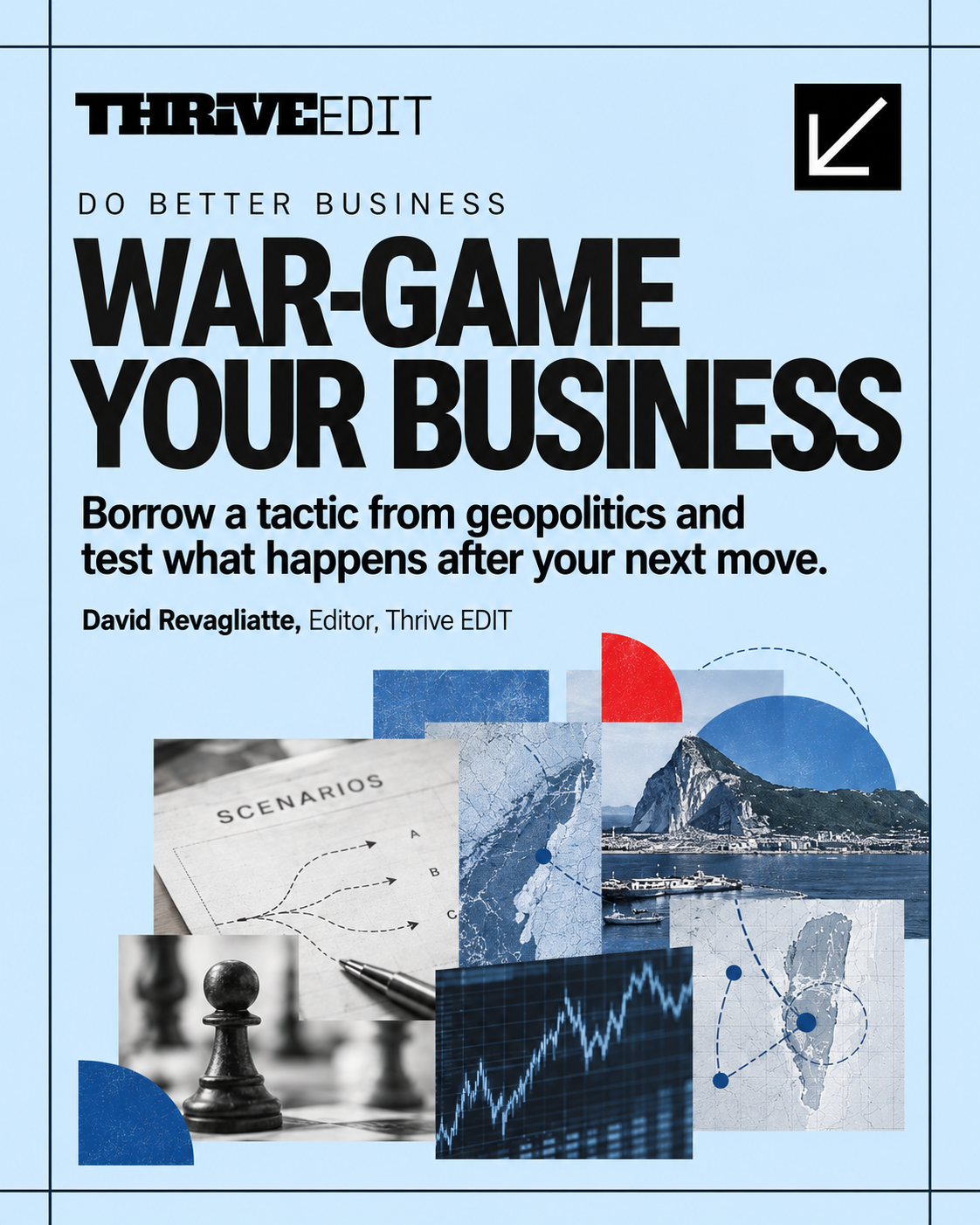

Governments and geopolitical strategists use simulations to test what might happen when other players react. The same thinking can help businesses challenge assumptions, anticipate competitors and prepare for decisions before real money is on the line.
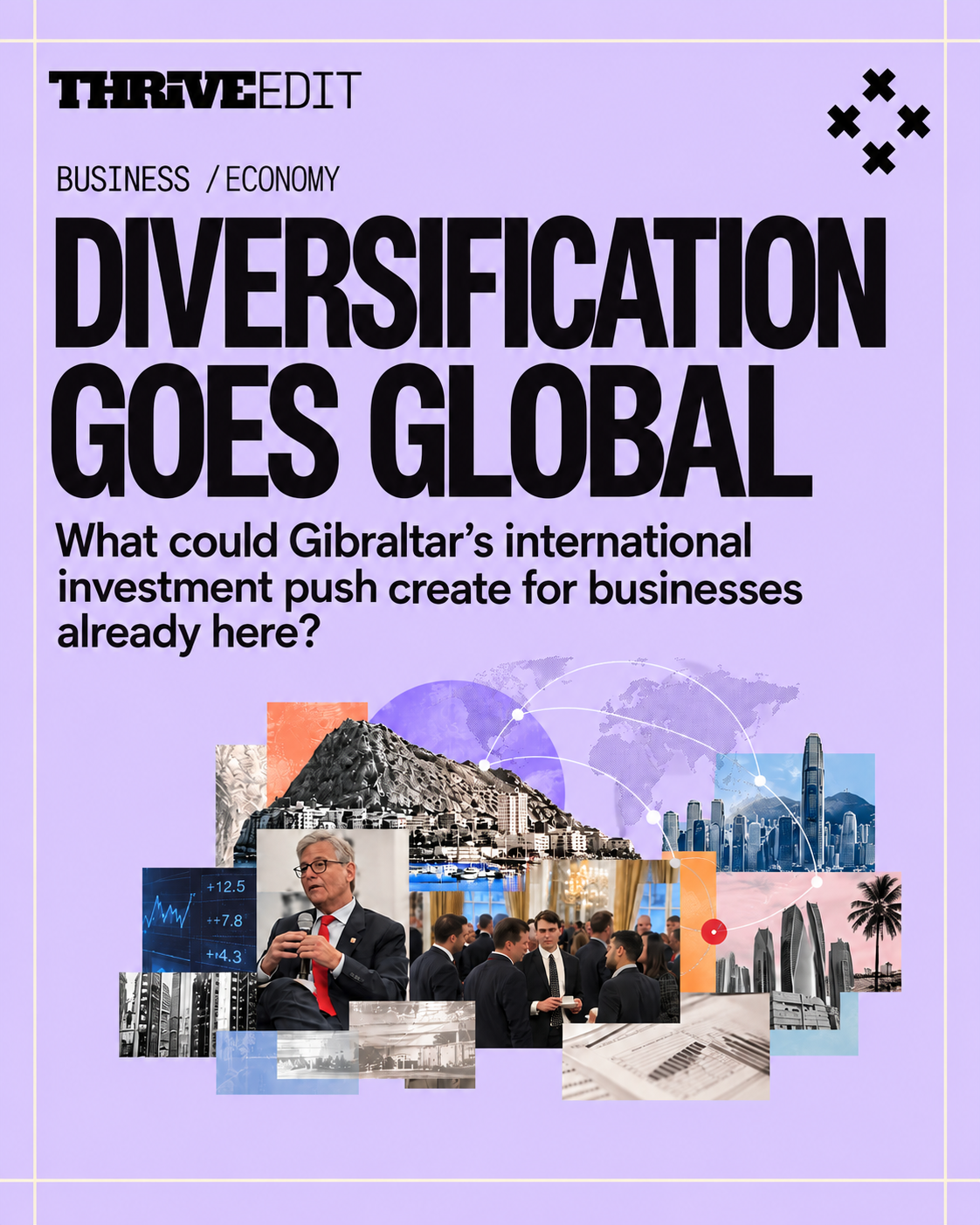
From Hong Kong to Abu Dhabi, Gibraltar is pursuing new industries and investors as part of a major economic diversification drive. Minister Nigel Feetham says the campaign is already generating business. The bigger question is how far those opportunities can spread through Gibraltar’s wider economy.
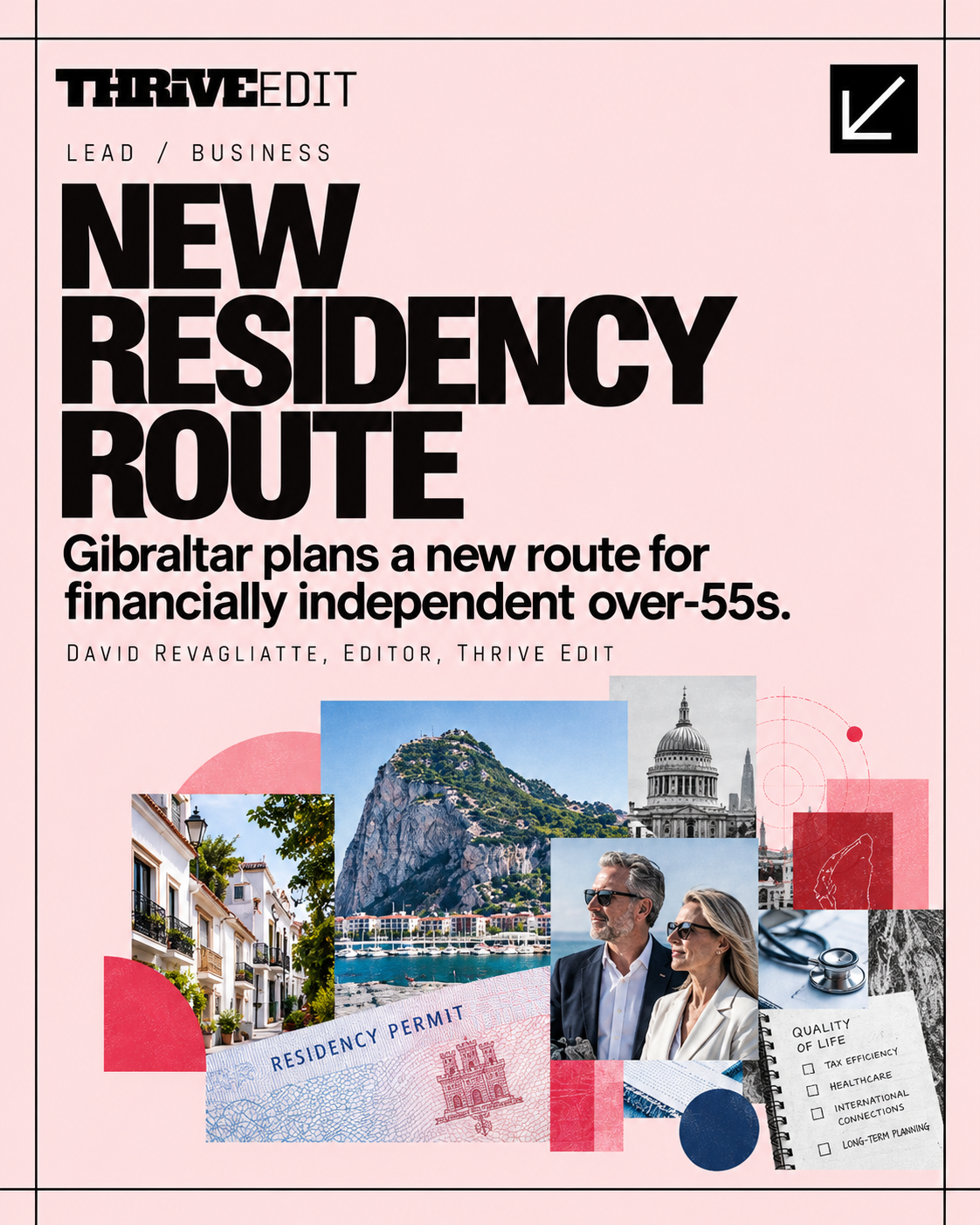
Gibraltar plans a new residency route for financially independent over-55s alongside a new business think tank announced at GibLink London.

New frontier lanes and discussions around a cross-border transport interchange raise questions about buses, workers, visitors and business connectivity.
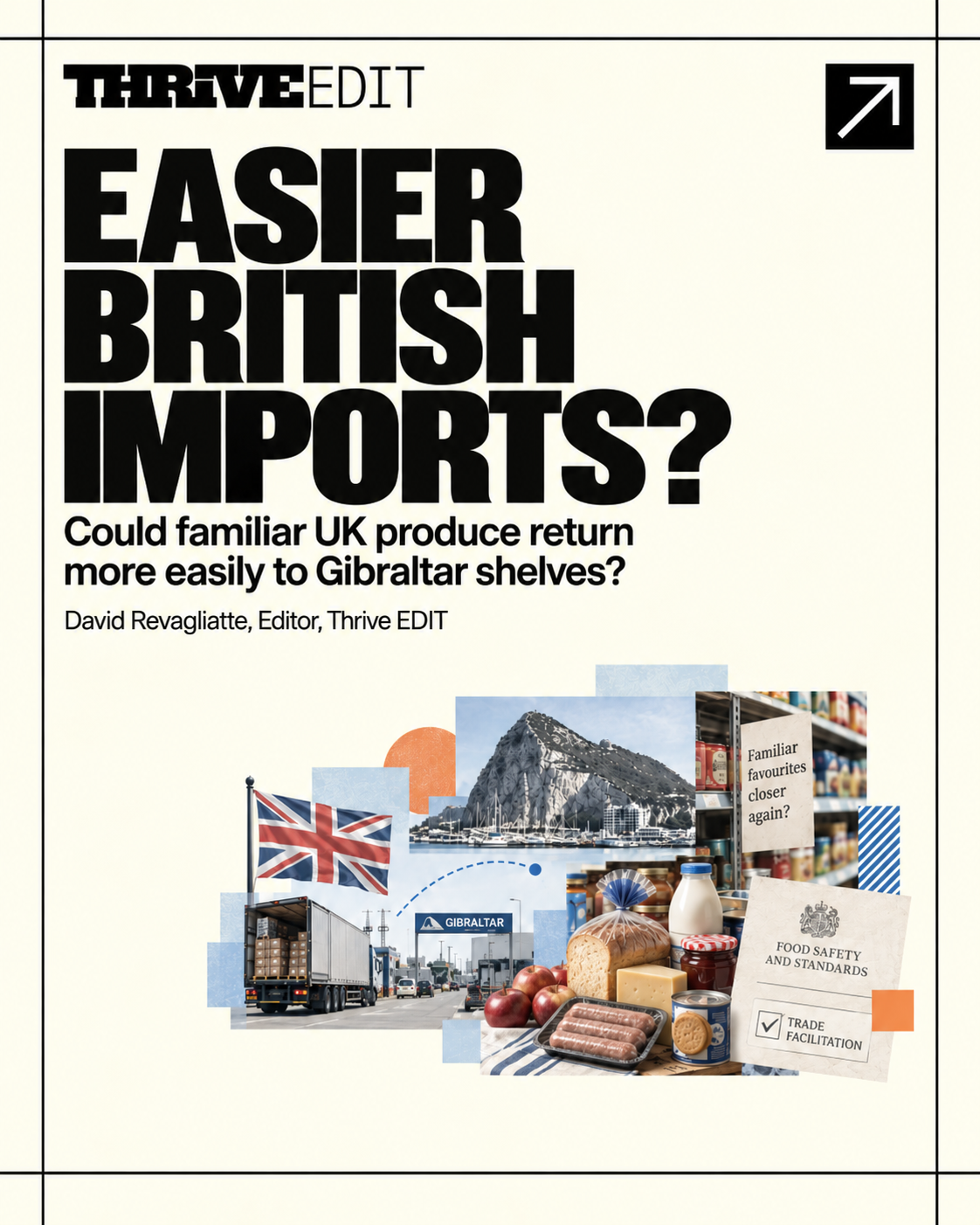
Could a future UK-EU food agreement make it easier for British produce to return to Gibraltar shelves? British produce has long been part of Gibraltar’s shopping experience; I wrote about it a couple of years ago, before we had a Treaty in place. From supermarket staples and fresh food to familiar household brands, we’ve spent […]