

 Gibraltar Federation of Small Businesses


 Gibraltar Federation of Small Businesses


This week, we are sharing a Letter to the Editor published in Monday’s Gibraltar Chronicle by local business owner Jimmy Coelho. With his permission, we are bringing it to our subscribers because the issues he raises touch on two major pillars of Gibraltar’s economy: gaming and retail. Both sit at the centre of current debates about competitiveness, cross border trade and enforcement.
Jimmy’s letter captures a concern shared by many GFSB members. With potential tax rises in the UK, continued pressure on the local retail sector and ongoing uncertainty surrounding the treaty, he asks whether Gibraltar is becoming too dependent on a small number of sectors. His warning is simple: “Beware of putting all our eggs in one basket.”
You can read his full letter below.
Eggs in one basket
Dear Sir,
Recent reports indicate that the UK government is considering increasing betting and gaming duties to 25% and 50% in this month’s budget.
This, they say, would worryingly be followed with possible widespread closures and redundancies, a measure which would certainly impact our own economy here in Gibraltar, whose wealth and high standard of living is heavily reliant on these two very successful industries.
Representations from industry stakeholders and from Minister Feetham himself, lead us to believe that the UK chancellor will hopefully be merciful in her forthcoming mini budget.
The fact is that our economy massively relies on these two industries and the spin-off they create, industries which itself are reliant on a sympathetic and supportive UK Government which permits them to trade here via UK passporting etc and indeed reliant on their benevolence.
At the same time, the struggling local retail sector has been and is screaming for support from HMGoG by way of enforcement at the border and on-site, in relation to Spanish retailers who freely provide locals with a plethora of services. Many of these tradesmen are unregistered, unlicensed and uninsured (despite the OFT’s valiant efforts) and contribute absolutely nothing towards our economy.
What should have been a boom period for local companies, who indeed pay local rents, rates, social insurances etc etc, all of which assists the local government pay for our kids in universities and for our sick and elderly to be taken care of, is instead a boom period for the outsiders!
I know it is irresistible and convenient for local first-time homebuyers who may be on a tight budget to take advantage of cheaper retailers who benefit from lower rentals, wages and utility bills in what is a weaker economy, but the consequences may be disastrous.
In summary, recent fears make me think that if a future not-so-supportive UK Government decides not to allow Gibraltar to be so attractive for UK-based service providers to trade from Gib, and the retail sector continues its rapid decline and demise, we would be left in a very weak and vulnerable situation.
I have heard it been said by some, not surprisingly belonging to the service industry itself, that some sacrifices will have to be made ref “the treaty”, undoubtedly referring to the retail sector.
My message: beware of “putting all our eggs in one basket”!
Yours sincerely,
James A Coelho
Jimmy’s piece raises important questions about how we protect jobs, support local businesses and build a balanced, resilient economy. We want to hear your views.
Share your thoughts with us at gfsb@gfsb.gi or join the discussion on our GlueUp community pages.


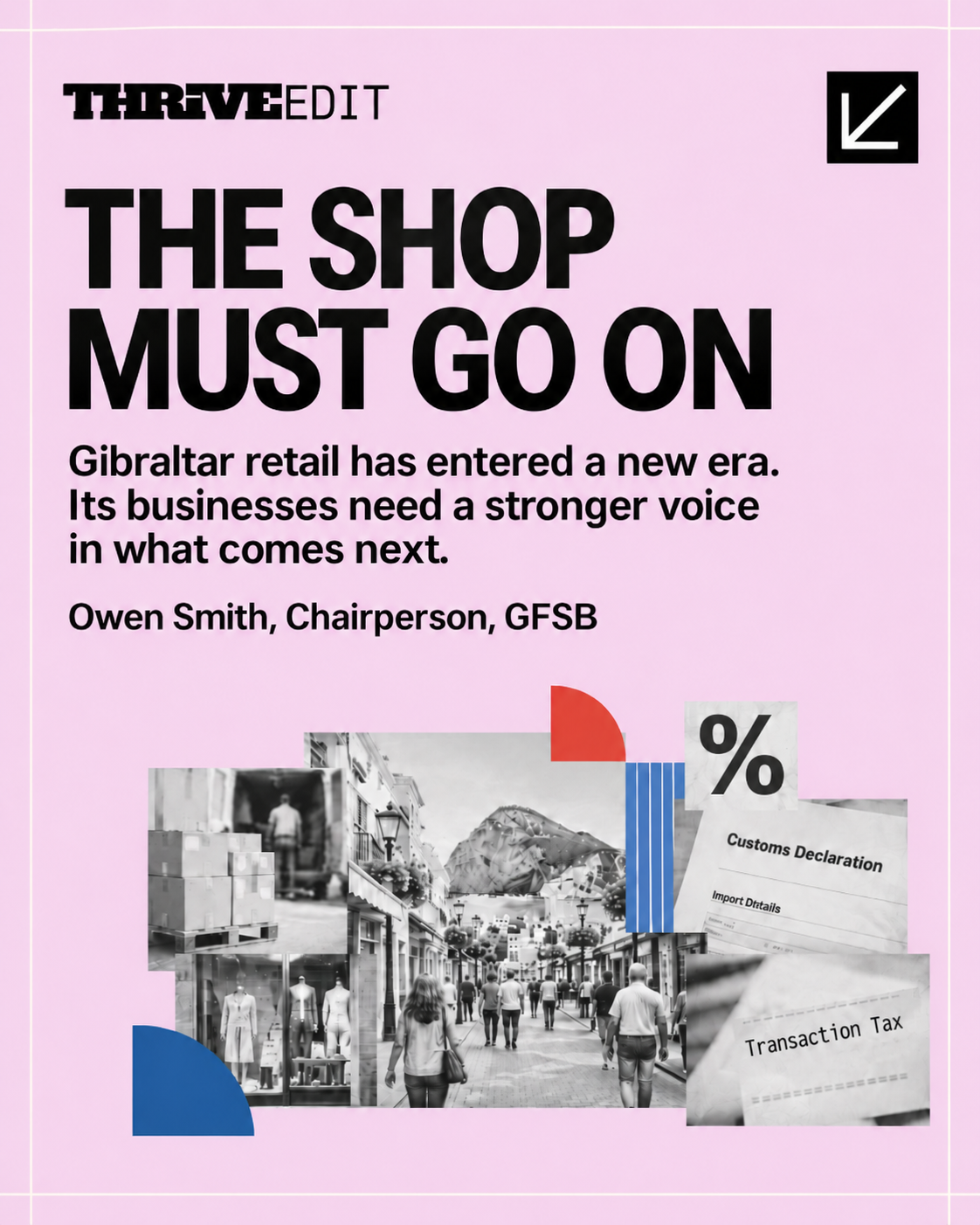

Gibraltar retail is entering the real post-Treaty trading environment. GFSB Chairperson Owen Smith argues that faster support, better infrastructure and a stronger collective business voice are now needed.
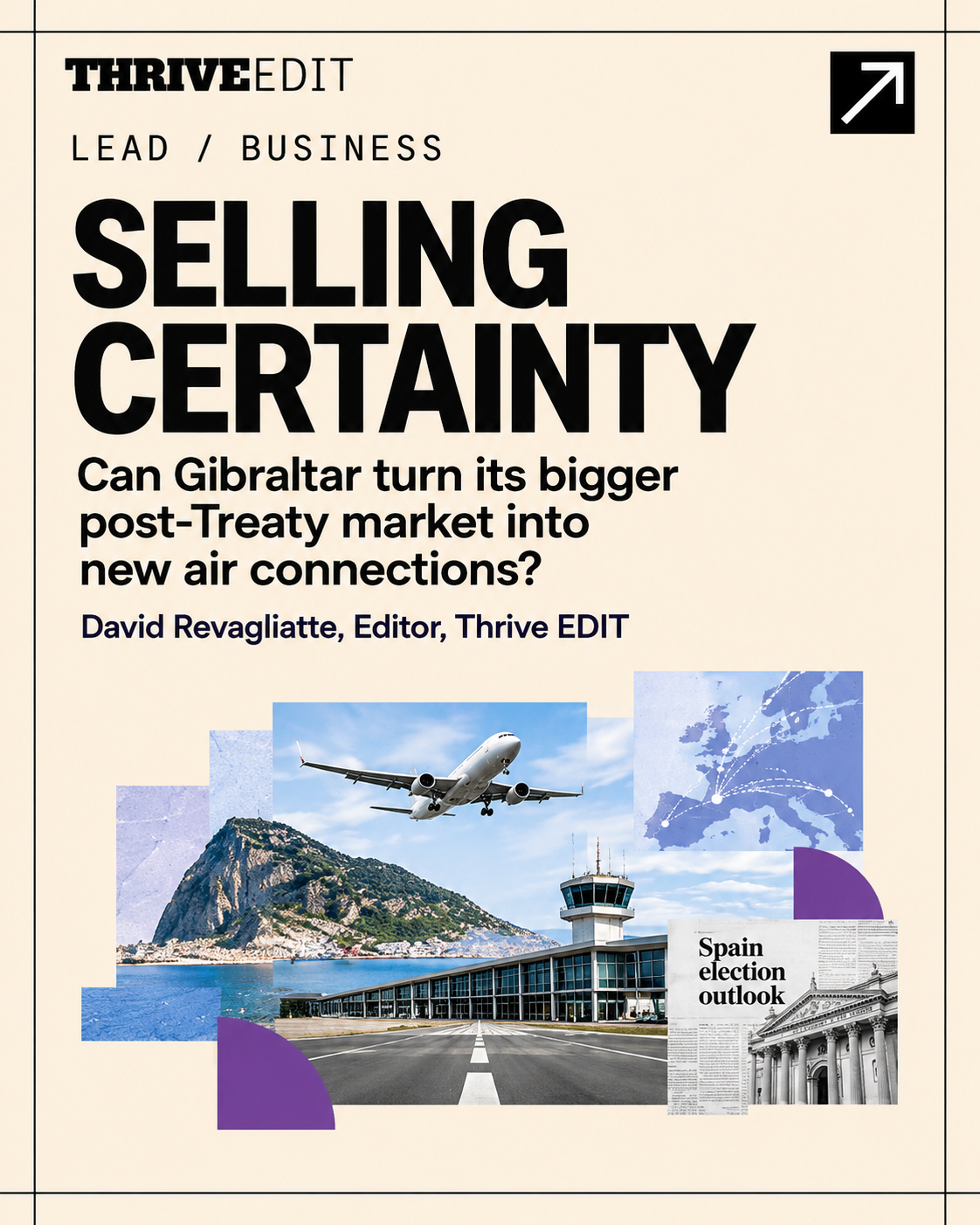
Gibraltar is pitching airlines a much bigger regional market after the Treaty, but new routes require confidence years ahead. As Spanish election politics gets louder, can Gibraltar sell both the opportunity and the certainty behind it?
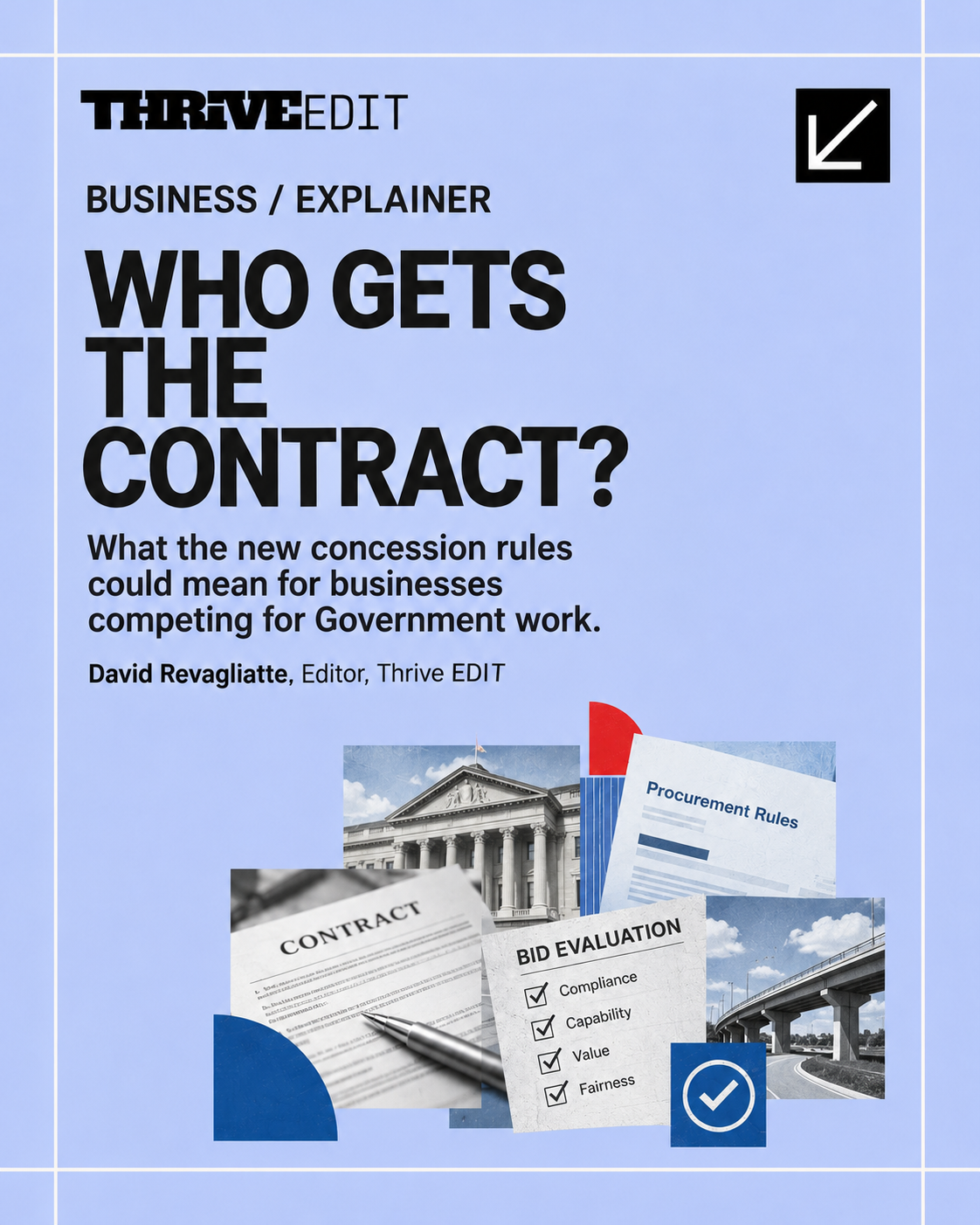
Changes to Gibraltar’s procurement rules have triggered a debate about how public concessions are awarded. What has changed, and what does it mean for businesses competing for Government work?

Personalised pricing allows businesses to tailor offers using customer data. As regulators examine the practice, Gibraltar firms should understand how it works and the implications for trust, transparency and reputation.
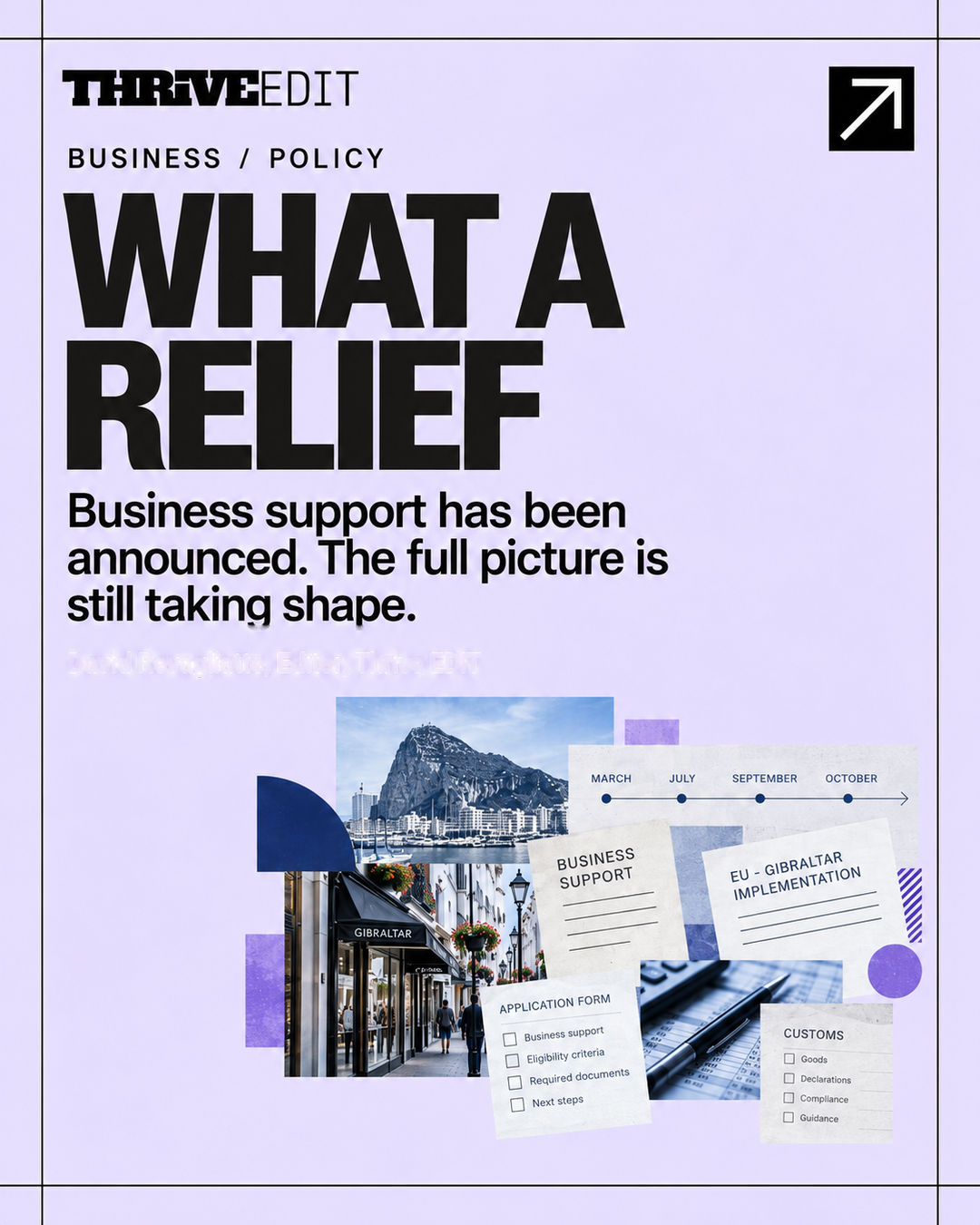
Gibraltar’s first detailed Treaty relief scheme is now in place, but businesses are still waiting for the full picture on wider modernisation support.