

 Gibraltar Federation of Small Businesses


 Gibraltar Federation of Small Businesses

What happened: A packed-out Gibtelecom Conference Hall saw GFSB and Chamber members gather for a Brexit Treaty Members Forum intended as a listening session. Sector-specific business groups were also present at the session. It quickly became clear that this was less Q&A and more “questions and questions”. There are still too many unknowns, and anxieties (and tempers) are running high.
The mood: Frustration. Worry. Anger. A strong sense that the knock-on effects will reach far beyond importers and retailers. Concerns ranged from poor business licence enforcement, unregulated cross-border service providers and maintaining a level playing field, to accountability and even the perceived loss of Gibraltar’s uniqueness due to lost logistic routes and higher costs of importing UK goods under the Treaty.
Key themes raised by those present:
What’s clear: Businesses want clarity before implementation, not after. There is also a shared concern that once the Treaty is ratified, political focus may move on while commercial realities intensify.
Next steps: The GFSB and the Chamber will now distil the shared issues raised both at the meeting and since the announcement of the Treaty implementation date and formally present them to Government.




Governments and geopolitical strategists use simulations to test what might happen when other players react. The same thinking can help businesses challenge assumptions, anticipate competitors and prepare for decisions before real money is on the line.

From Hong Kong to Abu Dhabi, Gibraltar is pursuing new industries and investors as part of a major economic diversification drive. Minister Nigel Feetham says the campaign is already generating business. The bigger question is how far those opportunities can spread through Gibraltar’s wider economy.

Gibraltar plans a new residency route for financially independent over-55s alongside a new business think tank announced at GibLink London.

New frontier lanes and discussions around a cross-border transport interchange raise questions about buses, workers, visitors and business connectivity.
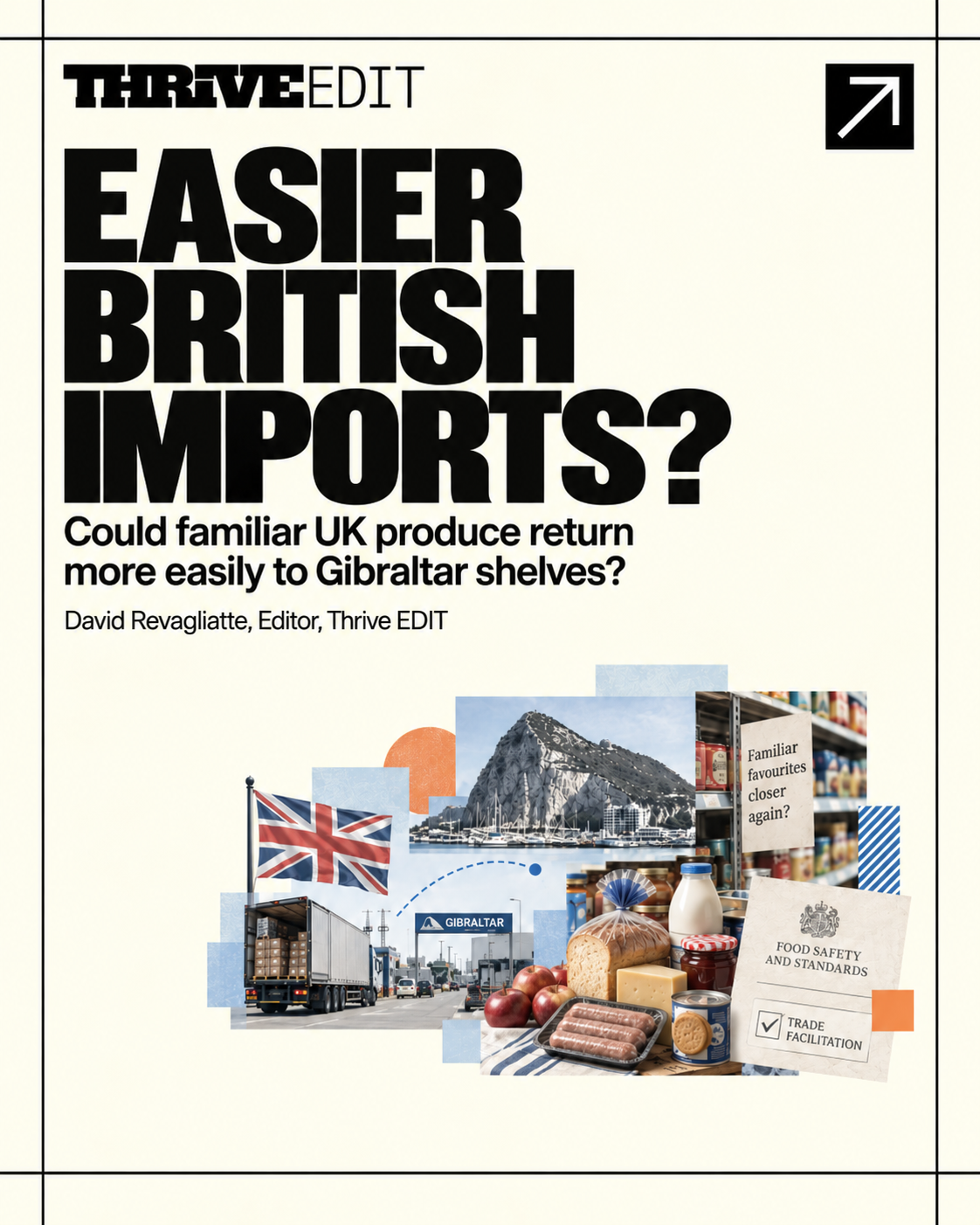
Could a future UK-EU food agreement make it easier for British produce to return to Gibraltar shelves? British produce has long been part of Gibraltar’s shopping experience; I wrote about it a couple of years ago, before we had a Treaty in place. From supermarket staples and fresh food to familiar household brands, we’ve spent […]


