

 Gibraltar Federation of Small Businesses


 Gibraltar Federation of Small Businesses

This week, Chief Minister Fabian Picardo travelled to Madrid for a series of meetings aimed at progressing Gibraltar’s position in the UK/EU treaty negotiations. His schedule included talks with Spanish Parliamentary groups, trade unions, and last night’s late-night media appearance on Spain’s TVE news.
During a meeting with Spain’s largest trade union, CCOO, discussions focused on “the vital importance of a mutually beneficial agreement that protects the rights of cross-frontier workers,” according to the Government press release.
What else was said?
It’s been a week of encouragingly positive sounds from Madrid and Gibraltar tbh. “Gibraltar continues to work in good faith to resolve all final outstanding issues in a manner acceptable to all sides,” said the Chief Minister’s office statement on his Madrid trip.
Spain’s Foreign Minister, José Manuel Albares, also spoke positively about the negotiations during an unrelated press conference on Monday saying they were ‘sure’ an agreement would be reached. “We are now simply dealing with very operational aspects that we need to align on, and I am sure we will reach an agreement, which is something Spain certainly wants and has said as much for a long time.”
Oh that sounds so positive!
Erm, yes…? Yet, like this article’s title suggests, it’s been a week of ups and downs. On Monday, Spanish media revealed that Policia Nacional officers at the frontier had received instructions via an internal memo to begin passport stamping for Gibraltar residents.
This action seemingly stems from ongoing legal proceedings in Spain, where the border chief has sought judicial clarity on whether existing interim measures which currently allow red ID card holders to cross without stamps—comply with EU law. The head of Spain’s Central Border Unit testified that while the Schengen Border Code is fully applied at the Gibraltar-La Línea crossing, flexibility is exercised during peak times to prevent congestion. He noted the absence of formal instructions to cease stamping passports, highlighting reliance on an EU “recommendation” to avoid stamping amid treaty discussions.
Ok, so what happens now?
The Government responded swiftly to warnings of tighter controls, with Chief Minister Picardo telling the Chronicle: “I have given instructions that if they start, we will start within an hour.” A fast response to what could have been (and, to be fair, still could be) a frontier-themed nightmare for both sides of the border. Owen Smith, GFSB, Chair said: “Disruptions, whether imposed on the Spanish or Gibraltar side, negatively affect businesses that employ cross-border workers. Advance notice of any measures can help reduce the impact.”
See Saw Indeed…
Despite diplomatic optimism, this week has underscored the fragile nature of negotiations. Positive signals from Madrid and Gibraltar can quickly be overshadowed by developments at the border.
What do you think of these ongoing negotiations? Join the conversation in the GFSB Community feature in the Glue Up membership platform.


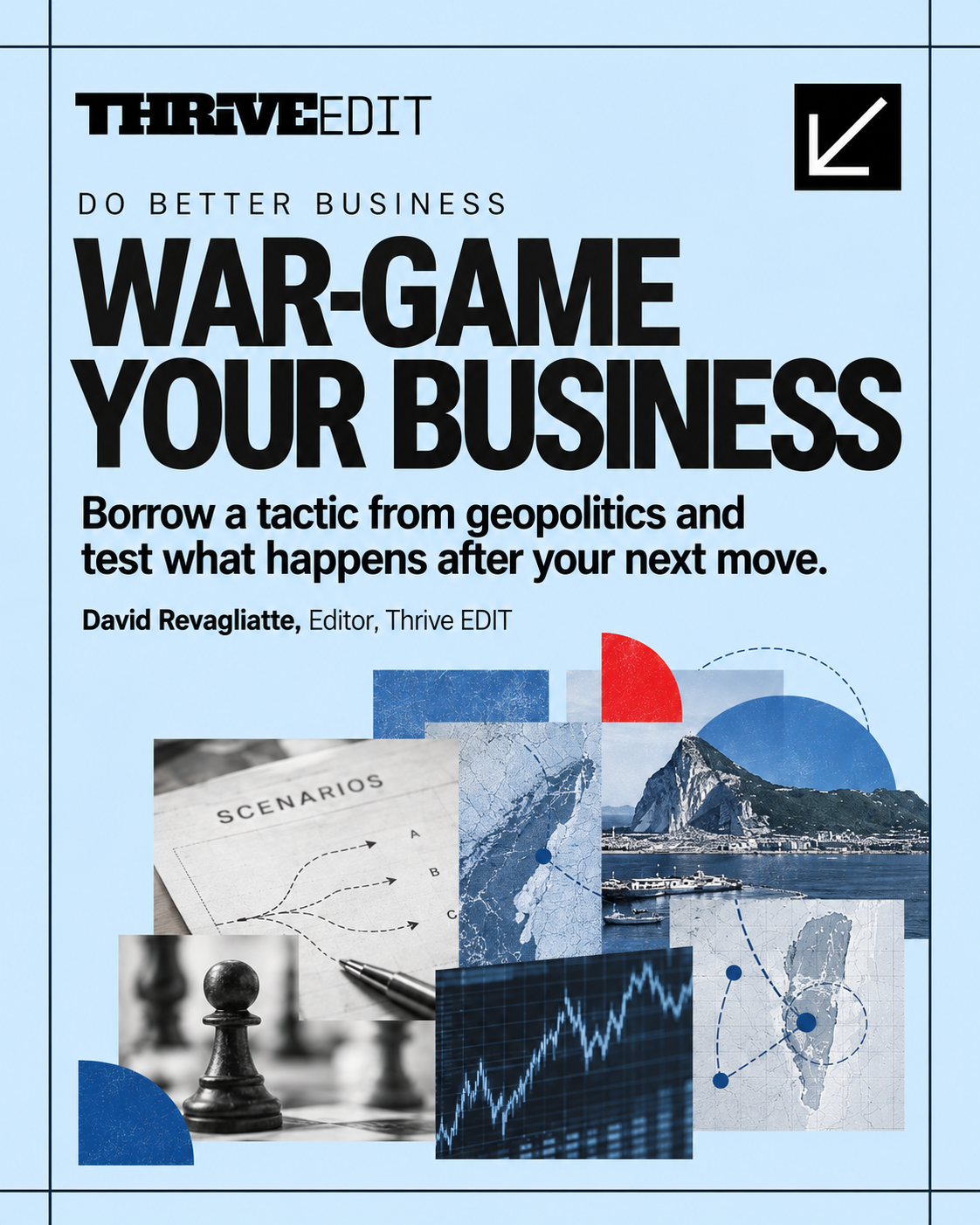

Governments and geopolitical strategists use simulations to test what might happen when other players react. The same thinking can help businesses challenge assumptions, anticipate competitors and prepare for decisions before real money is on the line.

From Hong Kong to Abu Dhabi, Gibraltar is pursuing new industries and investors as part of a major economic diversification drive. Minister Nigel Feetham says the campaign is already generating business. The bigger question is how far those opportunities can spread through Gibraltar’s wider economy.
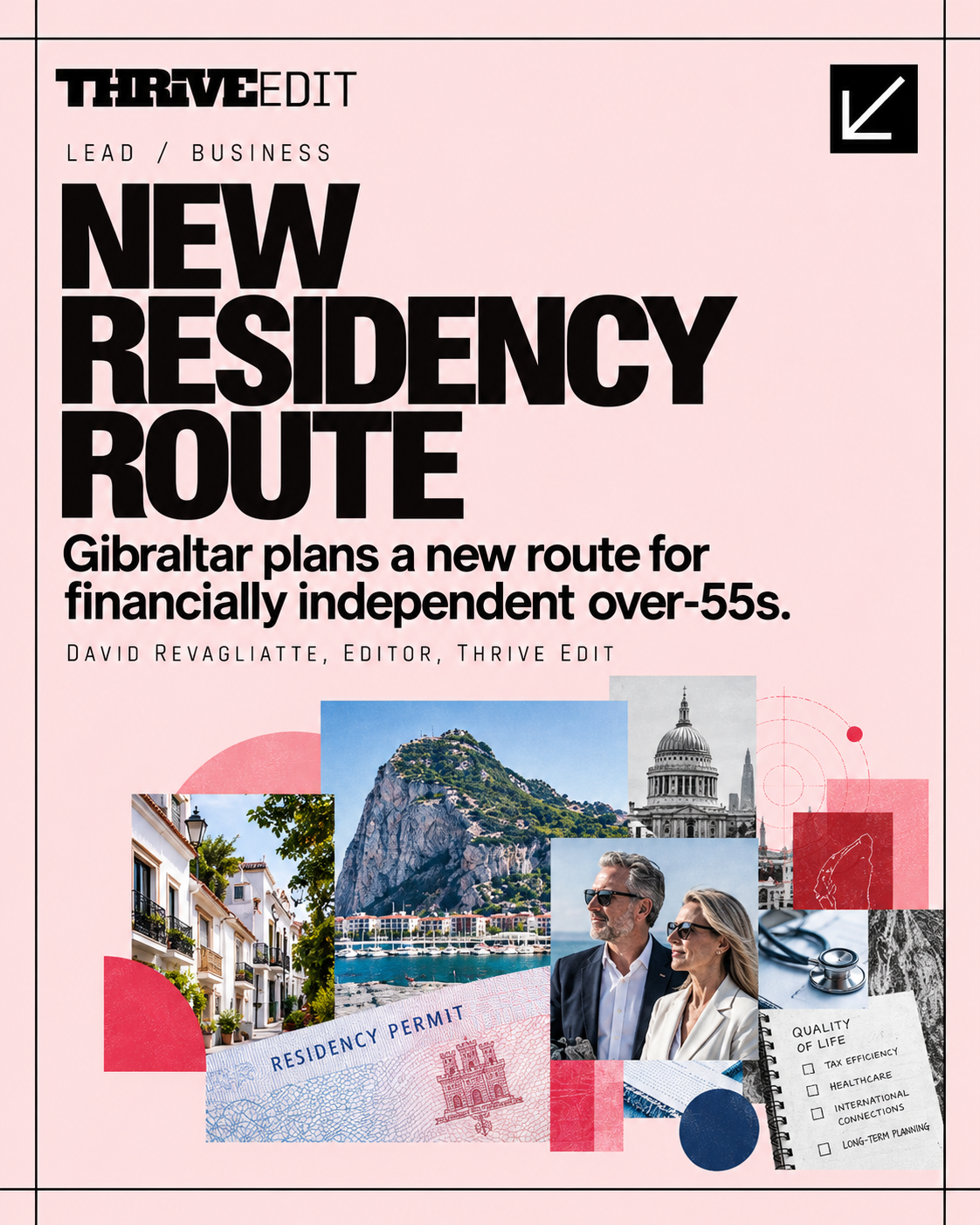
Gibraltar plans a new residency route for financially independent over-55s alongside a new business think tank announced at GibLink London.
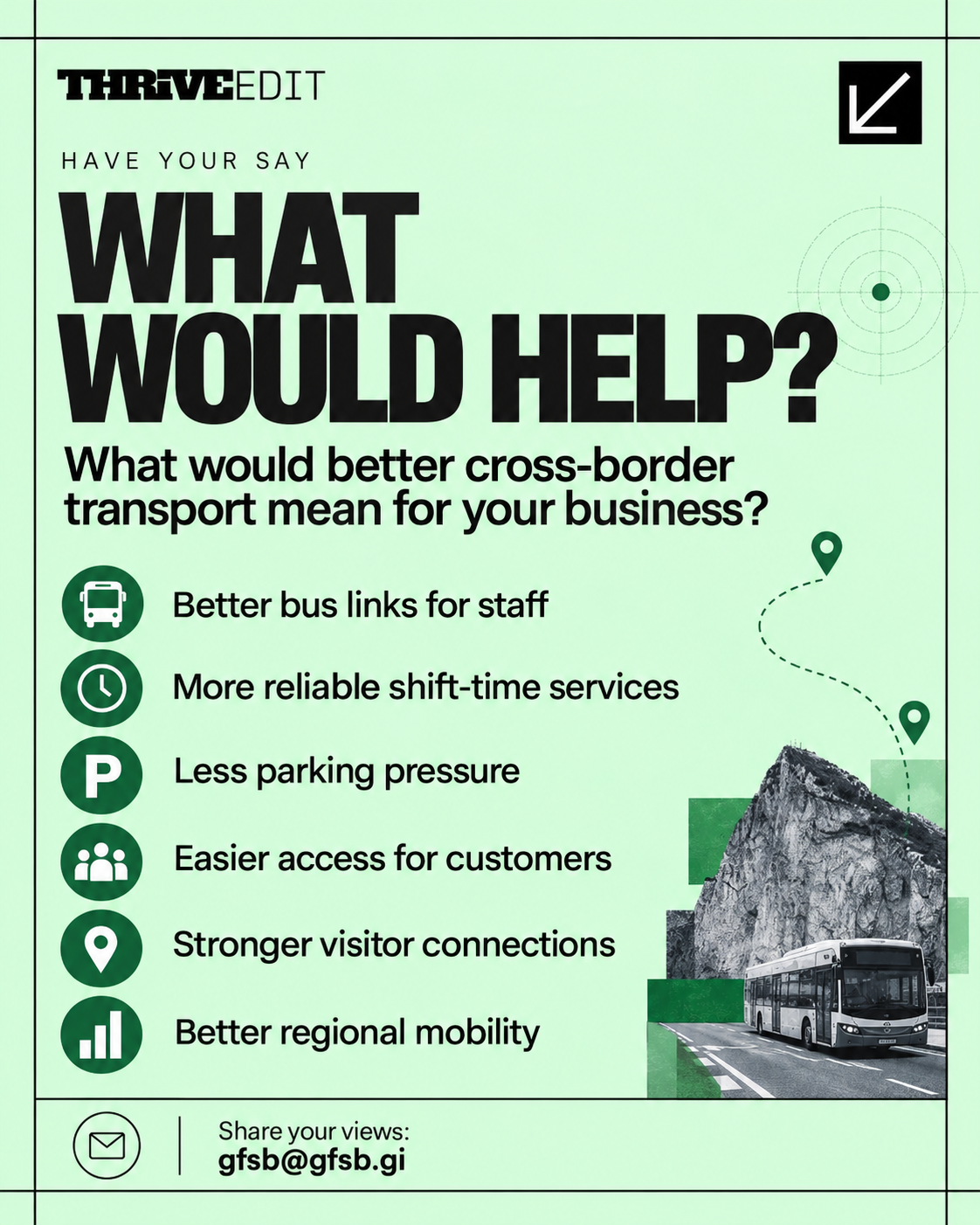
New frontier lanes and discussions around a cross-border transport interchange raise questions about buses, workers, visitors and business connectivity.
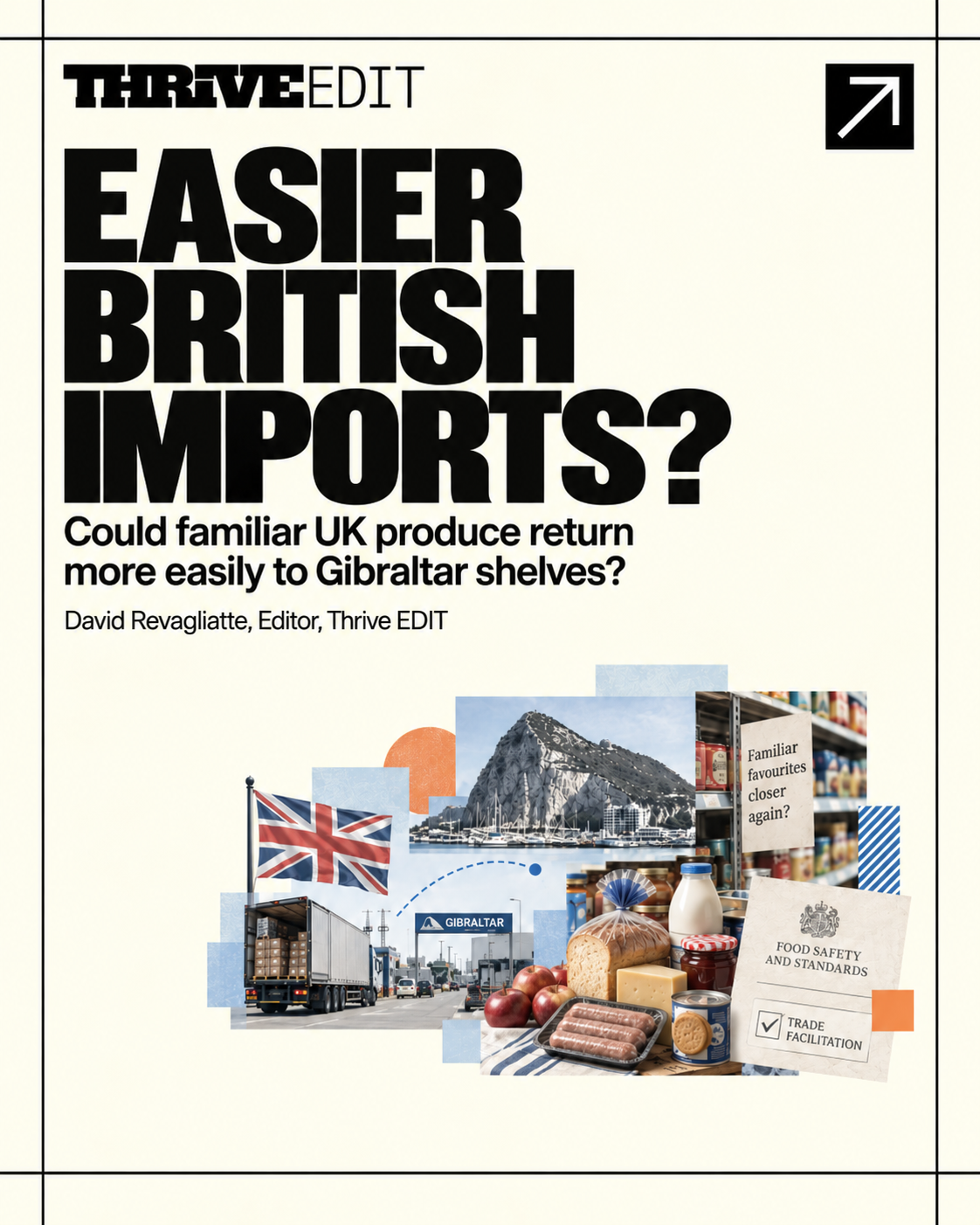
Could a future UK-EU food agreement make it easier for British produce to return to Gibraltar shelves? British produce has long been part of Gibraltar’s shopping experience; I wrote about it a couple of years ago, before we had a Treaty in place. From supermarket staples and fresh food to familiar household brands, we’ve spent […]