

 Gibraltar Federation of Small Businesses


 Gibraltar Federation of Small Businesses

According to a report in GBC on Monday, Spain has confirmed that all goods bound for Gibraltar will be channelled through three “Designated Border Control Posts” in Algeciras, La Línea, and a third site to be set up in either Málaga or Valencia. The announcement came in Brussels from Clara Martínez Alberola of the EU’s UK Task Force.
Why it matters for business
For Gibraltar’s importers, this means every product entering by land will face checks at one of these Spanish facilities rather than at the frontier itself. While the aim of the Treaty is to remove existing frontier checks, businesses will now need to factor in logistics, timing, and possible additional costs of routing through these posts.
Exports and compliance
On the outbound side, it looks like Gibraltar’s limited exports will need to comply with EU rules, adding another layer of regulatory planning for businesses trading beyond the Rock.
Big picture
Brussels stressed that the agreement does not place Gibraltar in Schengen or the Single Market and does not alter sovereignty positions. Instead, it seeks to streamline goods movement while maintaining EU standards.
If you are affected by these changes, why not join our Brexit Transition Group? Email admin@gfsb.gi for more info.




Governments and geopolitical strategists use simulations to test what might happen when other players react. The same thinking can help businesses challenge assumptions, anticipate competitors and prepare for decisions before real money is on the line.

From Hong Kong to Abu Dhabi, Gibraltar is pursuing new industries and investors as part of a major economic diversification drive. Minister Nigel Feetham says the campaign is already generating business. The bigger question is how far those opportunities can spread through Gibraltar’s wider economy.

Gibraltar plans a new residency route for financially independent over-55s alongside a new business think tank announced at GibLink London.
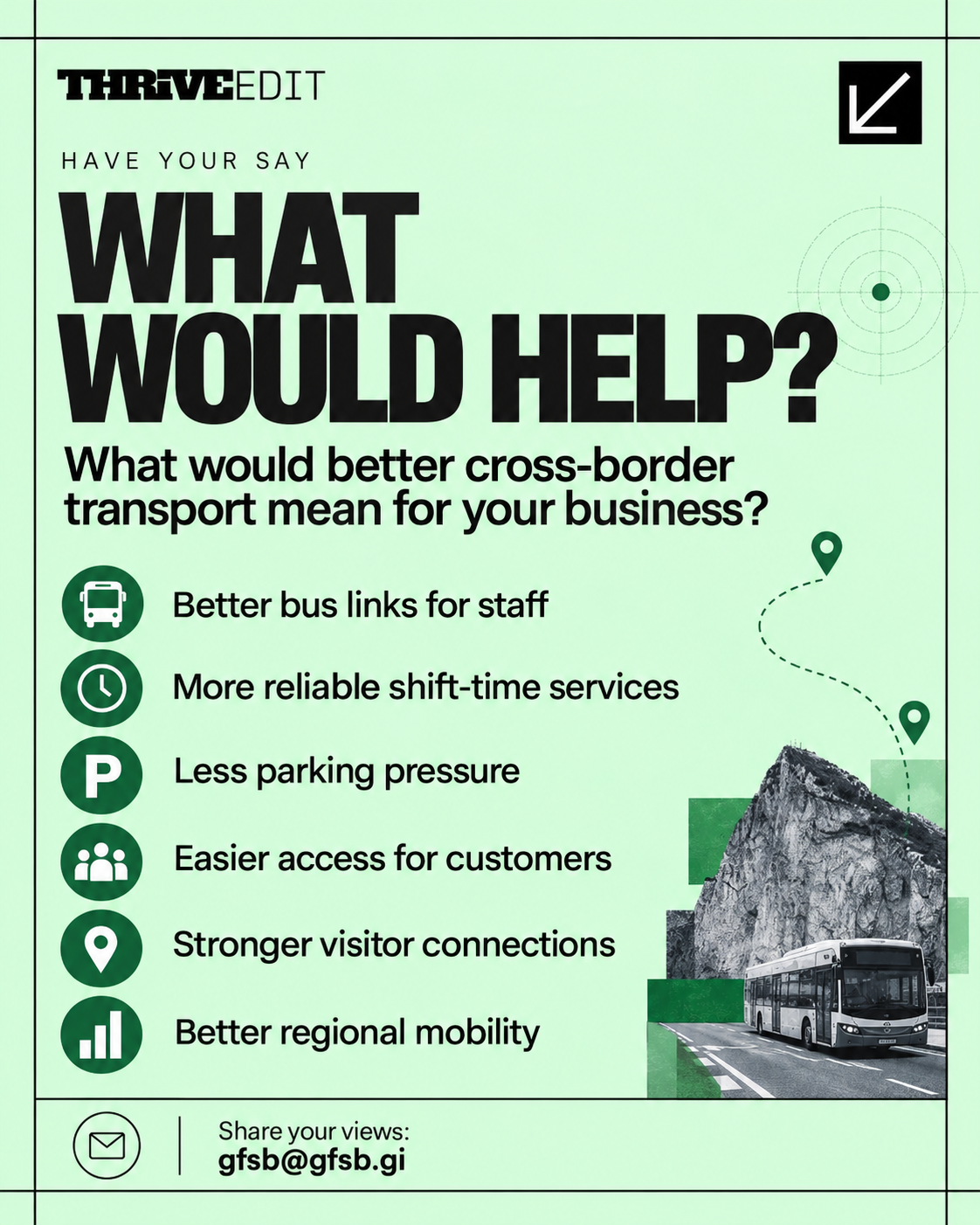
New frontier lanes and discussions around a cross-border transport interchange raise questions about buses, workers, visitors and business connectivity.
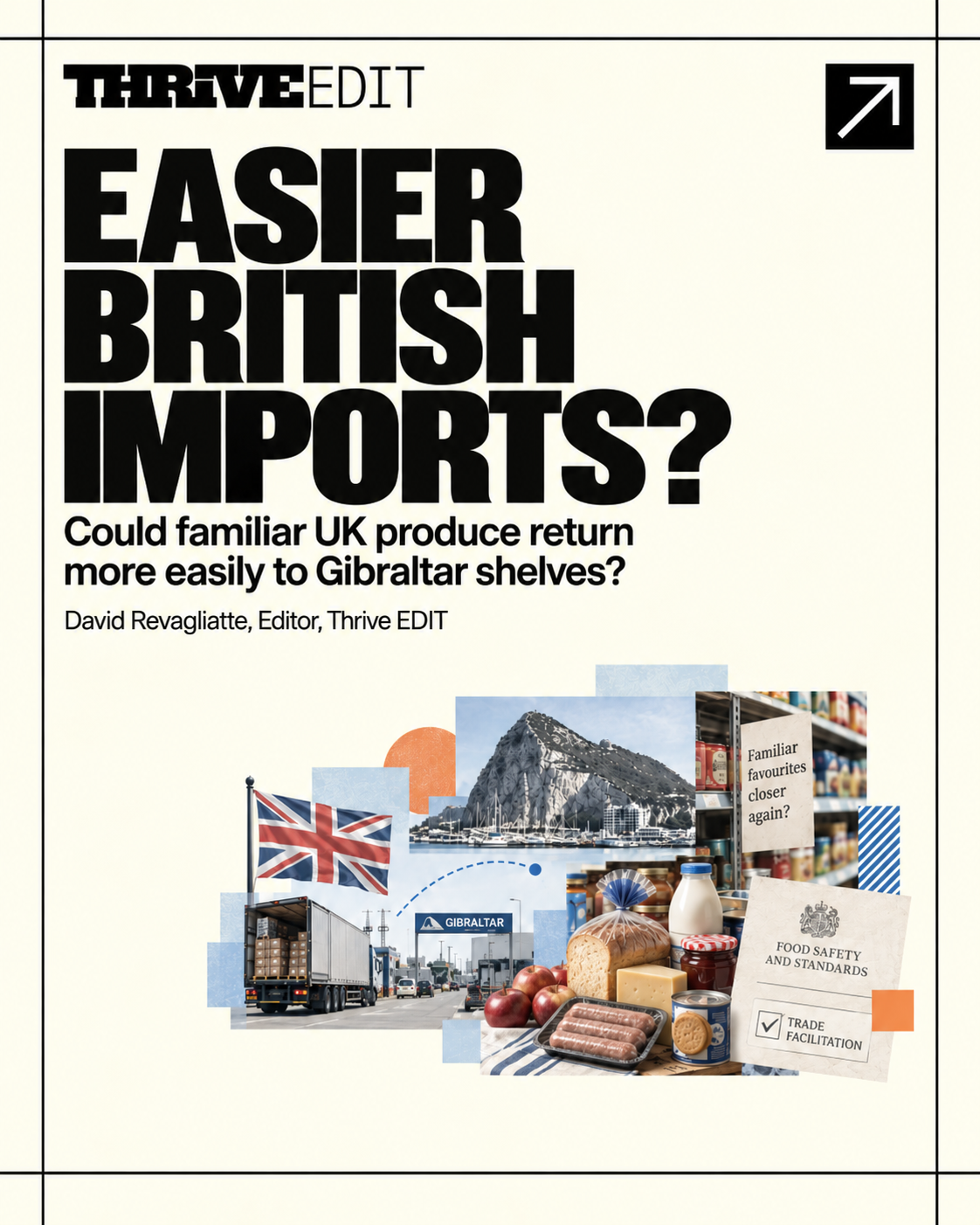
Could a future UK-EU food agreement make it easier for British produce to return to Gibraltar shelves? British produce has long been part of Gibraltar’s shopping experience; I wrote about it a couple of years ago, before we had a Treaty in place. From supermarket staples and fresh food to familiar household brands, we’ve spent […]