

 Gibraltar Federation of Small Businesses


 Gibraltar Federation of Small Businesses

By Fiona Young
There has been a lot of publicity this week highlighting issues surrounding Bullying, both in schools and in the workplace. For small businesses, the issue of bullying in the workplace is a double-edged sword.
Positives for small businesses are that they tend to have much closer relationships between management level and employees which does lend itself to better communication, understanding and the ability for management to work side by side with staff and be tuned into the challenges their staff face, all of which is good for a bullying free workplace.
Negative factors include over familiarity of staff leading to a lack of respect for authority; allegations of bias between staff; complacency; or a growing sense of entitlement and demand from employees wanting pay rises, bonuses, time off and other benefits. These demands particularly in an economic downturn can put added stress and pressure on small business owners.
Often hands-on management can be construed, when taken out of context, as being draconian or too tough, and small business owners constantly walk the tightrope of managing their employees and the business effectively and productively while ensuring they comply with their legal obligations as a considerate employer. Tribunal claims can be catastrophic for small businesses, in terms of time, cost and reputation. They also damage workplace morale (workplace disputes in small businesses are rarely possible to keep confidential) and can mentally and emotionally devastate a business owner who feels that they have done everything correctly.
In addition, small businesses often have to deal with “institutional” or corporate bullying – facing competition and scare tactics from larger mainstream competitors or having to deal with overzealous governmental or union officials.
Suffice to say, the Anti-Bullying message is one that resonates for many reasons with small businesses and yet all too often they are painted with the same stereotypical brush as larger organisations and expected to meet the same identical standards of care with substantially less resources and economic capability, yet far more at stake if things go wrong.
Top tips for small businesses to avoid bullying from all angles are:


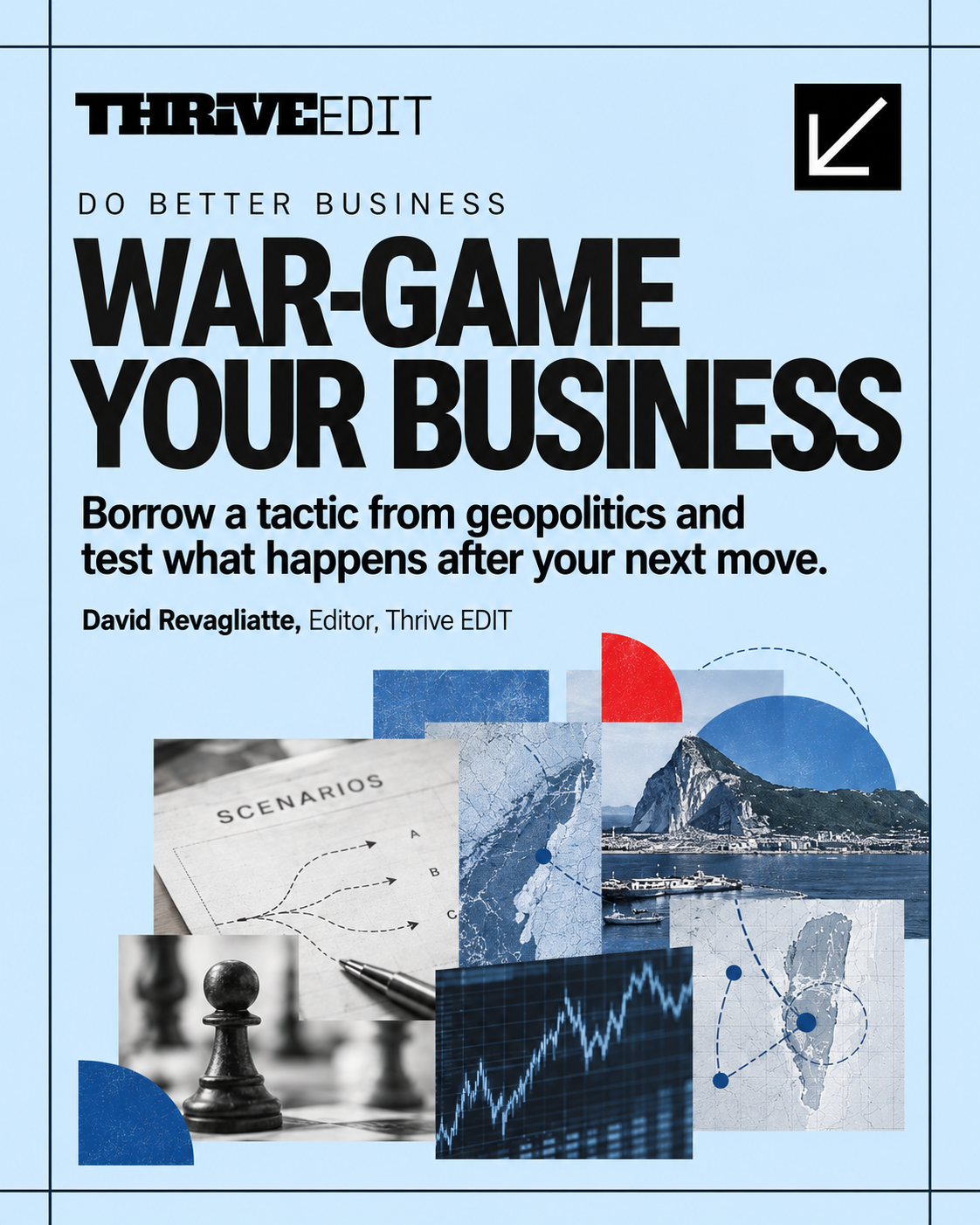

Governments and geopolitical strategists use simulations to test what might happen when other players react. The same thinking can help businesses challenge assumptions, anticipate competitors and prepare for decisions before real money is on the line.

From Hong Kong to Abu Dhabi, Gibraltar is pursuing new industries and investors as part of a major economic diversification drive. Minister Nigel Feetham says the campaign is already generating business. The bigger question is how far those opportunities can spread through Gibraltar’s wider economy.

Gibraltar plans a new residency route for financially independent over-55s alongside a new business think tank announced at GibLink London.
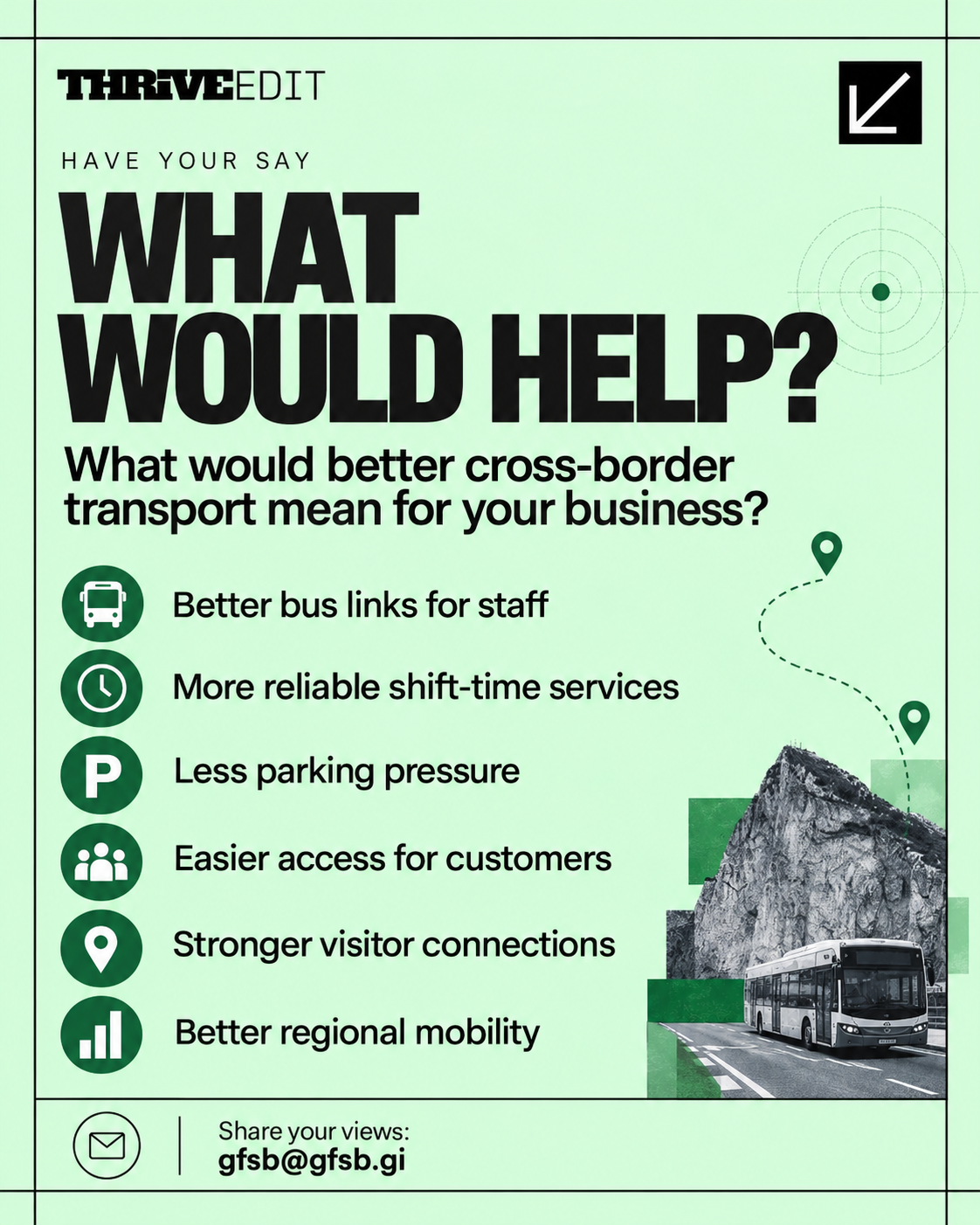
New frontier lanes and discussions around a cross-border transport interchange raise questions about buses, workers, visitors and business connectivity.

Could a future UK-EU food agreement make it easier for British produce to return to Gibraltar shelves? British produce has long been part of Gibraltar’s shopping experience; I wrote about it a couple of years ago, before we had a Treaty in place. From supermarket staples and fresh food to familiar household brands, we’ve spent […]