
 Gibraltar Federation of Small Businesses


 Gibraltar Federation of Small Businesses

By Toby White, Founder, Artimus Consulting
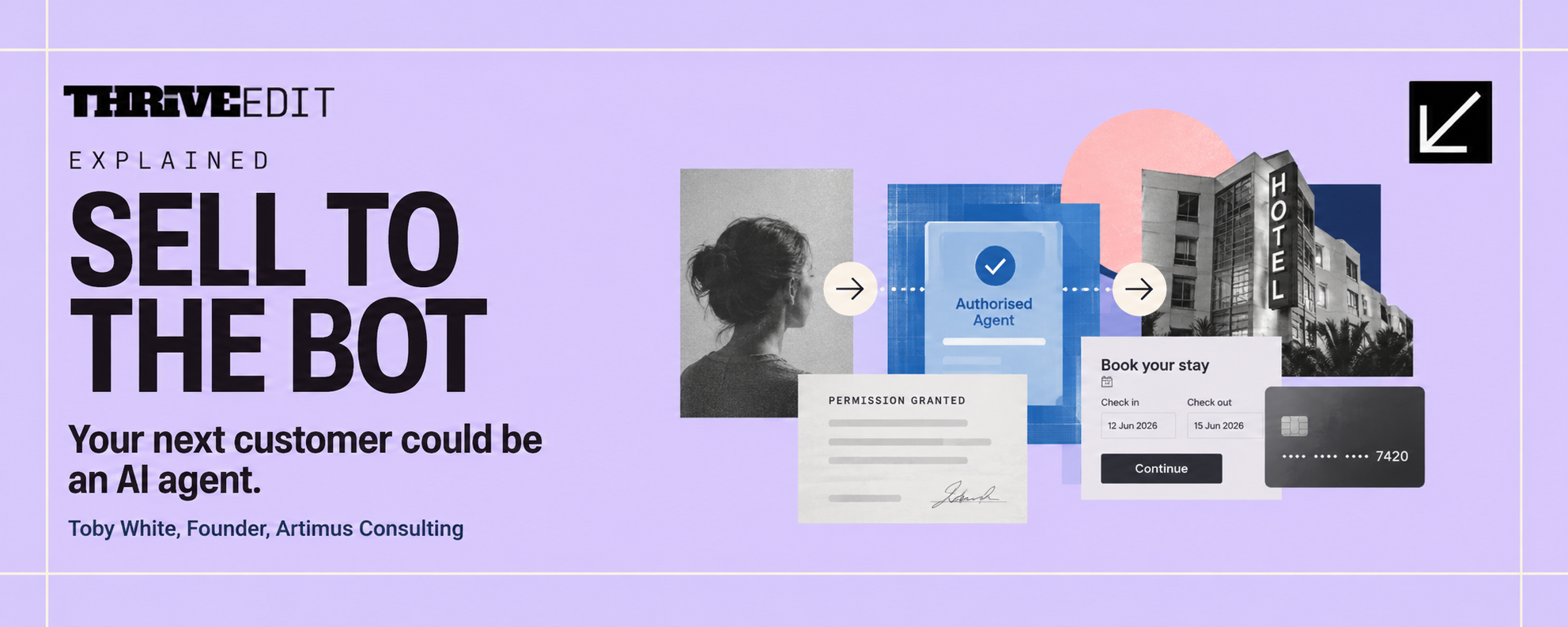
Visa, Mastercard and Ant International are developing identity checks for AI buyers. It sounds technical, but the idea behind it is something businesses will likely become more familiar with as AI assistants start doing more on our behalf.
Imagine someone planning a weekend in Gibraltar. They ask an AI assistant to find a centrally located hotel, compare room rates and book a refundable option within a defined budget. The agent checks availability, reviews the terms and completes the payment.
The hotel receives a confirmed booking from software acting on the guest’s behalf. For the hotel, that raises some fairly practical questions. Who authorised the agent? What was it allowed to buy? How does the business know that the instruction is genuine. The payments industry is beginning to work through those questions.
Visa, Mastercard and Ant International announced on 10 September that they had begun developing a shared Know Your Agent, or KYA, interoperability framework. The proposed framework would allow payment networks, digital wallets, online marketplaces and AI platforms to recognise trusted agents across different systems. Each participant would still apply its own approval and risk controls.
Interoperability matters because major payment providers are already developing their own approaches to agent-led payments. A shared framework could allow one system’s trust signals to be recognised by another.
For businesses, the principle is similar to many of the digital systems they already use. You want to know who is interacting with you, what they have permission to do and whether you can trust the information being presented. KYA extends that principle to software.
KYA gives an AI agent a verifiable identity and connects it to the person or organisation that authorised it.
The interesting part is the mandate that sits alongside that identity. Someone might tell an agent to find a hotel room for less than £200 a night, provided it includes free cancellation. A business could authorise an AI system to order from certain suppliers up to an agreed value. A customer might allow an agent to reorder a particular product when the price falls below a specified amount. The agent therefore has boundaries.
Visa’s Trusted Agent Protocol uses cryptographic signatures that are tied to a particular merchant and operation. These can help a business establish that the request is genuine, current and connected to a particular commercial purpose.
Mastercard is developing a related concept called Verifiable Intent, which connects the customer, the instruction given to the agent and the resulting action in a record that can later be checked. For merchants, that could become useful evidence if there is a complaint, refund request or dispute about what an agent was originally authorised to do.
For Gibraltar’s regulated businesses, the terminology will sound familiar.
Know Your Customer establishes the identity and risk profile of somebody entering a financial relationship. Know Your Agent deals with a different part of the process by establishing the identity and delegated authority of the software acting for that person.
Existing customer due diligence, anti money laundering and suitability requirements continue to apply. An AI agent might gather information, arrange an appointment or prepare documentation, but the business would still follow its established procedures before accepting a client or providing a regulated service.
KYA provides another piece of information in that chain by helping establish where an instruction came from and what authority sits behind it.
Another interesting aspect of this is worth noting. Online businesses have spent years learning how to identify and block automated traffic. Bots have generally been associated with scraping, fake accounts, credential attacks and payment fraud.
An authorised shopping agent is also automated traffic, except that this time it may represent somebody who genuinely wants to buy something. Gibraltar’s businesses will therefore need better ways of distinguishing between useful and harmful automation. A recognised agent could present information about who it represents and what it is trying to do. The merchant can then decide how much access to provide.
An agent checking whether a room is available does not necessarily need access to the booking process. An agent with verified purchasing authority might. That ability to apply different permissions becomes increasingly important as AI moves from providing information to taking action.
This is something we spend quite a lot of time discussing with businesses at Artimus.
The starting point is usually an idea about what AI could do. The more useful conversation is about how that idea would work within the business. If an AI system is going to answer questions, what information should it be allowed to access? If it can update a customer record, who can authorise that? If it can issue a refund, make a booking or place an order, what limits should apply?
Another question is what happens when the agent encounters something unexpected.
One way of approaching this is to think about different levels of autonomy. An agent might initially be allowed to search and compare information. It could then progress to making enquiries or requesting quotations. For some transactions it might be allowed to make a reservation or purchase within agreed limits. Anything outside those limits could be referred back to a person.
The appropriate level will depend on the business and the transaction. A company may be comfortable allowing an AI system to reorder routine supplies automatically. It may want human approval before a large purchase or an action involving sensitive customer information.
At Artimus, our role in projects like these is often to help a business work through those decisions before getting too far into the technology itself. We look at the systems and data already in place, what the organisation is trying to achieve, where AI can genuinely help and what controls need to sit around it.
Sometimes that leads to an AI agent connected to existing business systems. Sometimes the first priority is improving the underlying infrastructure or organising the data properly. The key point is that the technology needs to fit how the business operates. As agents gain more ability to act, permissions, identity and accountability become part of the design rather than something added afterwards.
Agentic commerce could also change how people discover and buy from businesses. A customer may eventually give an AI assistant a fairly detailed brief and leave much of the searching and comparison to it. That could be particularly relevant to businesses selling products and services that can be described through clear criteria, including hotels, retailers, subscription services and travel operators.
It also changes what good digital information looks like. An AI agent needs to understand whether something is available, what it costs, where it can be delivered and what conditions apply. Accurate product information, prices, booking terms and eligibility criteria therefore become part of how visible a business is to these systems. A well-written website still offers plenty of value to the person eventually using the product or service. Increasingly, however, the information sitting underneath that website also needs to be accessible and understandable to the systems helping them make a decision.
Gibraltar is an interesting market for this because so many local businesses serve international customers.
A hotel might receive an agent-led booking from somebody in the UK. A retailer could encounter a customer using a digital wallet issued elsewhere. A professional services business might receive an enquiry assembled by an AI assistant before the prospective client has spoken to anyone at the firm. Many businesses will probably encounter these developments through the platforms they already use rather than through bespoke AI projects.
Booking systems, payment processors, ecommerce platforms and customer management software will gradually introduce more of these capabilities.
That makes supplier conversations important. Businesses should be asking whether their platforms will recognise verified AI agents, how customer permission will be recorded, what controls are available and what evidence is retained when something goes wrong. They should also look at their own commercial information. Prices, availability, geographic restrictions, cancellation policies and eligibility criteria all need to be clear if an agent is expected to interpret them accurately.
Know Your Agent is still an emerging framework and there is plenty that needs to be worked through before this becomes routine.
But it points towards a broader change that businesses should be paying attention to. AI assistants are gradually acquiring the ability to do more than find information. They can increasingly interact with software, complete processes and carry out tasks on somebody’s behalf.
For businesses, preparing for that does not necessarily mean investing in a completely new technology stack today. It means understanding how your existing systems work, how accessible your commercial information is and where you would be comfortable allowing software to act.
For a Gibraltar business, the next customer could still walk through the door, make a phone call or visit the website. Increasingly, they may also ask an AI agent to do some of that work for them.




Last week’s GFSB Summer Party brought members together for an evening of conversation, new connections and a chance to reconnect ahead of Q4. With thanks to justbank and Capurro Insurance for supporting the event, we’ve pulled together some of our favourite photos from the night.
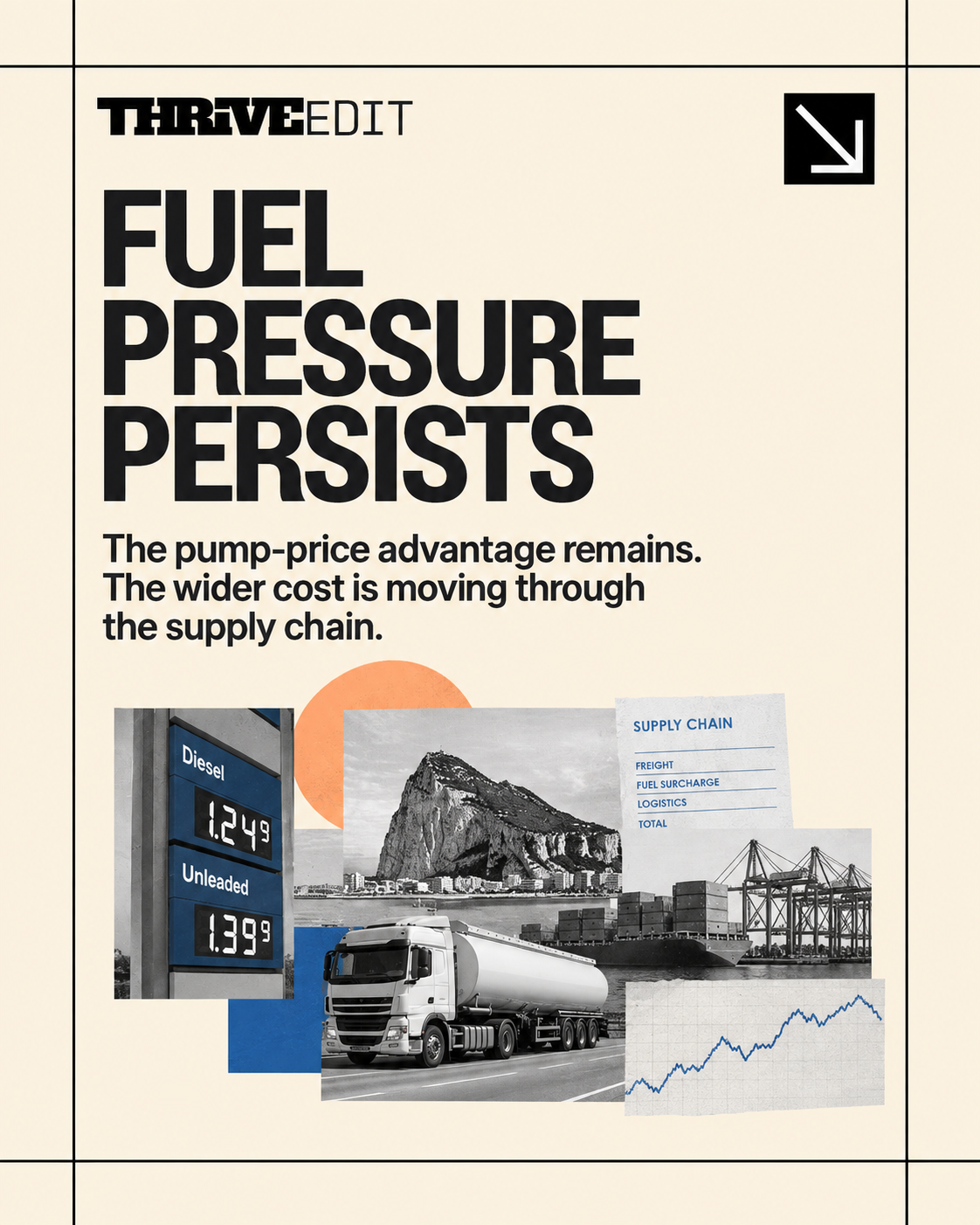
Gibraltar still has an advantage at the pump, but higher global diesel costs are feeding into freight, logistics and imported goods.

Nutritional coach and therapist MJ Feeke shares practical ways to support steadier energy, concentration and mood through a busy working day.
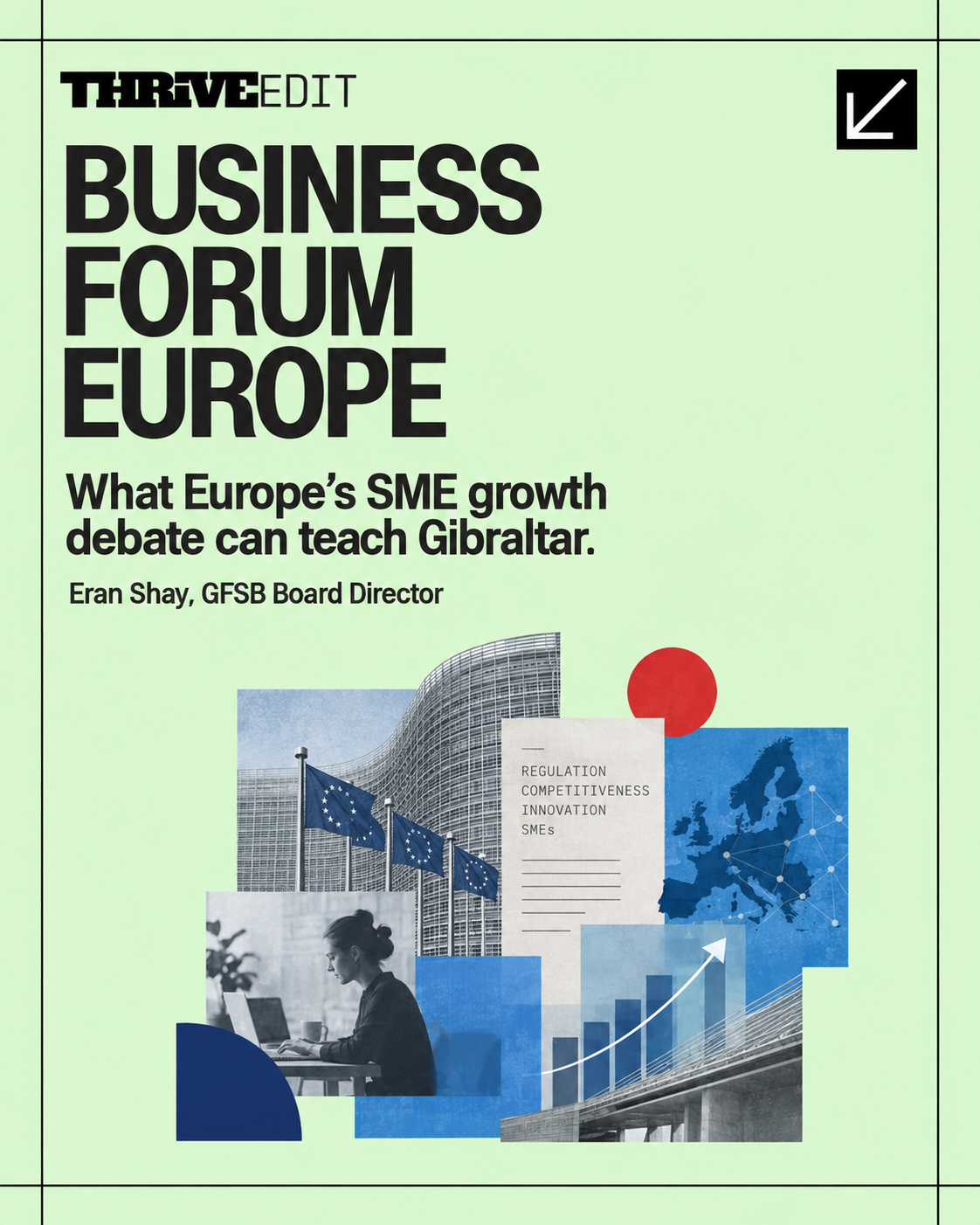
Europe’s SMEs are calling for growth, investment and proportionate regulation. We look at the lessons from SME2B Business Forum Europe for Gibraltar businesses.
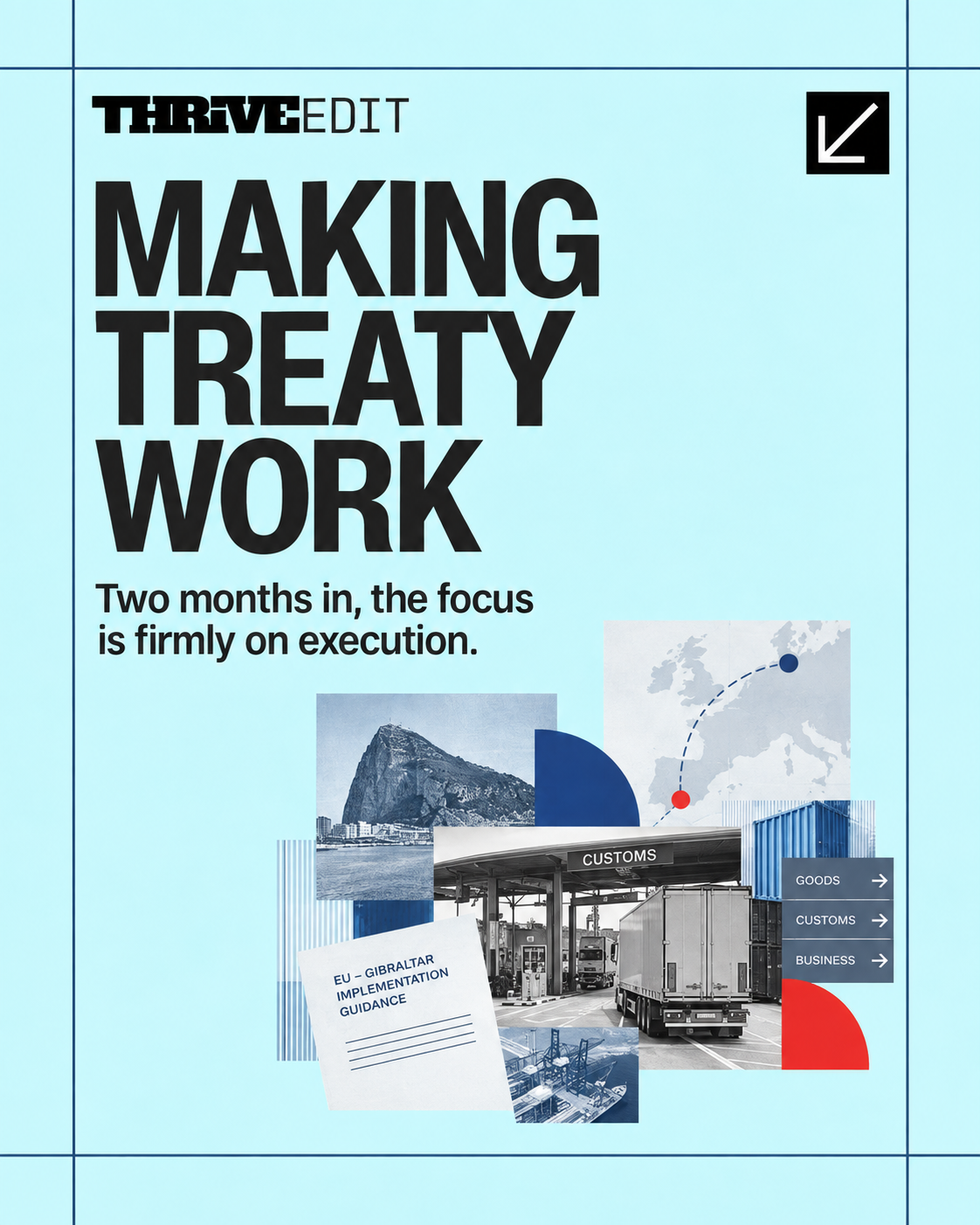
Two months into Gibraltar’s new Treaty arrangements, customs remains the main operational pressure point. We examine implementation, business friction and what comes next.