
 Gibraltar Federation of Small Businesses


 Gibraltar Federation of Small Businesses

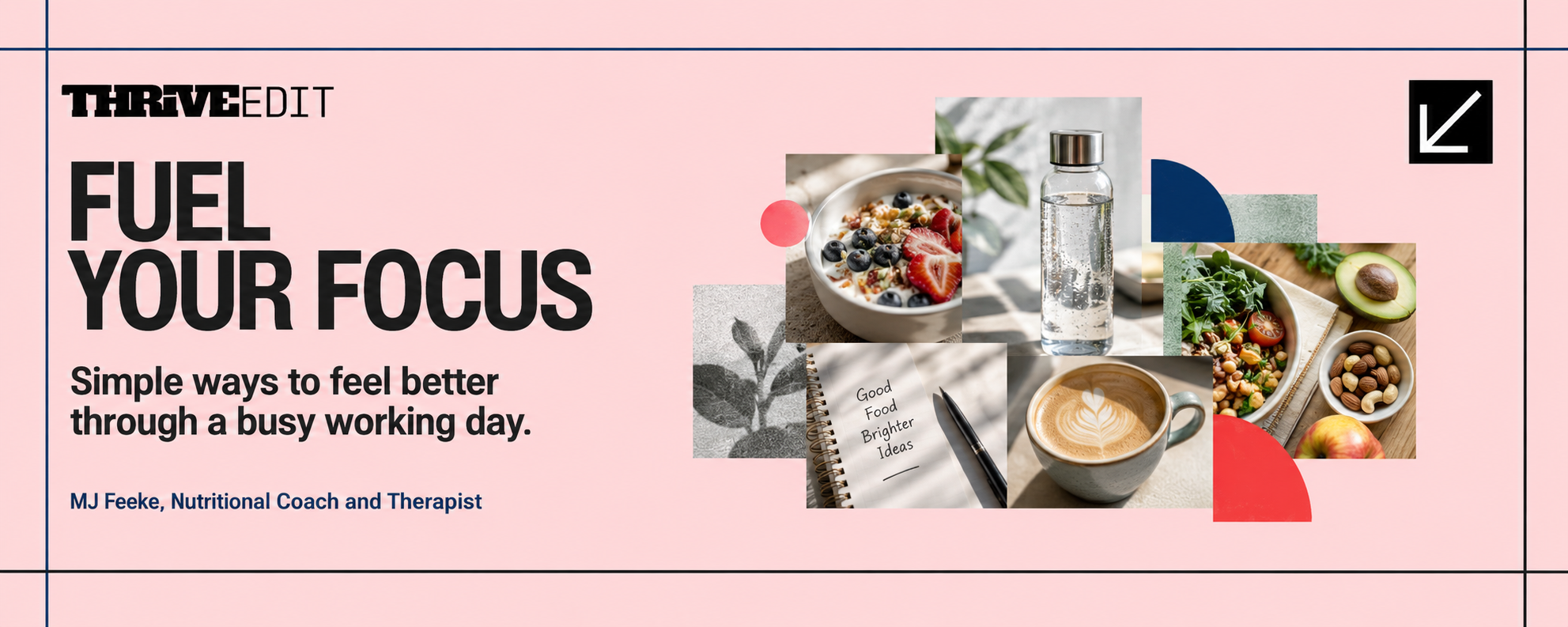
MJ Feeke, Nutritional Coach and Therapist
What we eat during the working day can have a real impact on our energy, concentration and mood. Nutritional coach and therapist MJ Feeke shares some simple ways to feel better through a busy day.
Most of us have had one of those days where breakfast is rushed, lunch gets pushed back because something urgent has landed and, by mid-afternoon, concentration has dropped off a cliff. At that point, another coffee and something sweet can feel like the quickest route back to productivity.
I see this pattern regularly in my practice as a nutritional coach and therapist. People are often balancing demanding jobs, family life and everything else that sits around them, so food naturally becomes something they fit in when they can. Over time, though, the way we eat and drink throughout the working day can have a noticeable effect on energy, focus and mood.
The encouraging part is that you do not need to follow a perfect routine or completely overhaul your diet. A few practical changes can make the working day feel much more manageable, particularly when they are built around the way you actually live.
Give yourself something to work with
Breakfast is a useful place to start, especially if your mornings involve a long stretch of meetings or concentrated work. I know plenty of people who are simply not hungry first thing, and I would much rather help someone find an approach that suits their routine than give them another rule to follow.
If you do eat breakfast, aim for something with a little staying power. Greek yoghurt with fruit and oats, eggs with wholegrain toast, or porridge with nuts and seeds are all straightforward options. Combining protein, fibre and slower-releasing carbohydrates can help keep energy steadier and make it less likely that you are hunting for something sugary an hour or two later.
If breakfast is not your thing, give some thought to the first meal you do have. A coffee and pastry grabbed on the run may be convenient, but it is unlikely to keep you going in the same way as something more balanced and substantial.
Lunch deserves a little more attention
Lunch is often where a busy day starts to dictate the food choices. Meetings run over, deadlines creep closer and the easiest option usually wins. Convenience is absolutely fine, but it helps to know what you are looking for.
I tend to suggest building a plate rather than following a complicated formula. Start with a source of protein such as chicken, fish, eggs, beans or pulses, add vegetables or salad, then include a carbohydrate such as rice, potatoes, quinoa or wholegrains. It gives you a proper meal without turning lunch into another thing to overthink.
Portion size matters too. We have all had the lunch that leaves us wanting a nap rather than an afternoon meeting, so if you regularly feel yourself fading around three o’clock, it can be useful to look at what you ate, how much you ate and how long you left it before eating.
Remember the water
Hydration is one of those very simple things that is easy to forget when the day gets busy. Clients will often tell me they are tired, struggling to concentrate or relying on coffee all afternoon, and then realise they have barely had any water since breakfast.
Keeping water within sight can make a surprising difference. Have a glass when you arrive at work, take water into meetings and refill a bottle when you get up from your desk. In Gibraltar, particularly through the warmer months, it is worth being especially conscious of this.
Coffee and tea can still have their place, and I enjoy a good coffee myself. It is simply worth noticing whether caffeine is part of an enjoyable routine or whether you are using it to compensate for being under-fuelled, dehydrated or tired. Sometimes that afternoon coffee is exactly what you fancy, while on other days your body may be asking for lunch, water or a short break from the screen.
Snack with a purpose
Snacking gets a bad reputation, although a well-chosen snack can be genuinely useful when there is a long gap between meals or you know you have a demanding afternoon ahead. Fruit with a handful of nuts, yoghurt, hummus with vegetables or oatcakes with a protein-rich topping can all help bridge the gap and stop you arriving at dinner absolutely ravenous.
There is also room for the biscuit tin. Food does not have to become another source of pressure. The aim is simply to make sure the biscuit is one option among several, rather than the only thing available when hunger hits.
Make the easy choice a useful one
This is probably the most practical lesson I share with clients. Healthy eating becomes much easier when it does not rely on making a perfect decision at the busiest point in the day. A little preparation removes that pressure.
That might mean taking lunch with you because you know tomorrow will be hectic, keeping sensible snacks at work, putting a water bottle on your desk or simply knowing which nearby cafés have options that work well for you. It does not have to involve spending Sunday afternoon preparing five identical meals in containers.
In my nutritional coaching and therapy practice, I spend a lot of time looking at the reality behind people’s habits: their workload, stress, routines, appetite and relationship with food. Most people already know a fair amount about what is good for them. The challenge is making that knowledge work in real life, particularly when the day gets busy.
Start small and notice the difference
If you regularly reach the middle of the afternoon feeling exhausted, start with one or two changes rather than trying to fix everything at once. You might have a more substantial breakfast, take lunch with you, drink more water or keep a useful snack nearby and then pay attention to how you feel.
We ask a lot from ourselves during the working day. Giving our bodies a little more consistent fuel can support clearer thinking, steadier energy and a better mood, and those small habits are often the ones that are easiest to keep going.


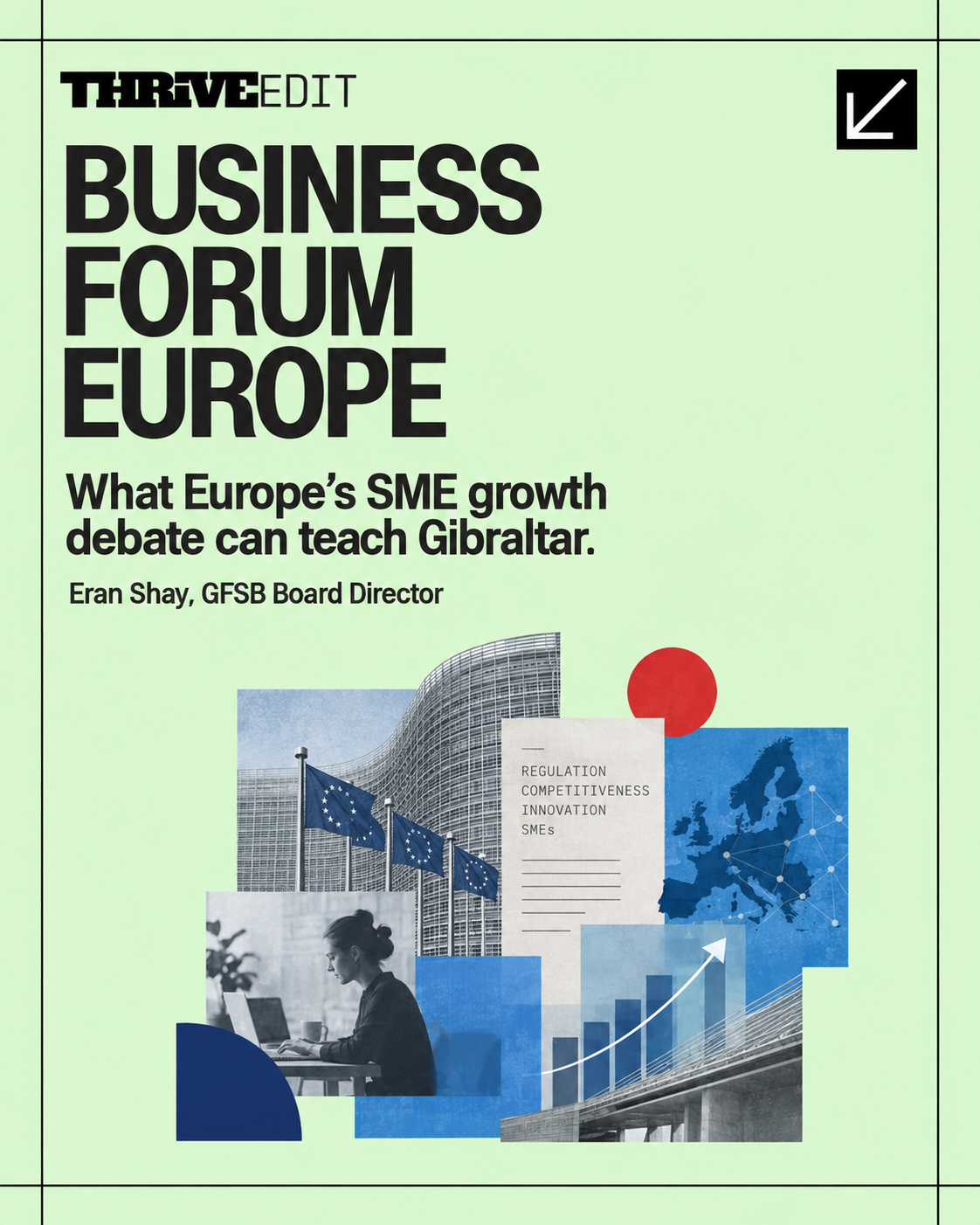

Europe’s SMEs are calling for growth, investment and proportionate regulation. We look at the lessons from SME2B Business Forum Europe for Gibraltar businesses.
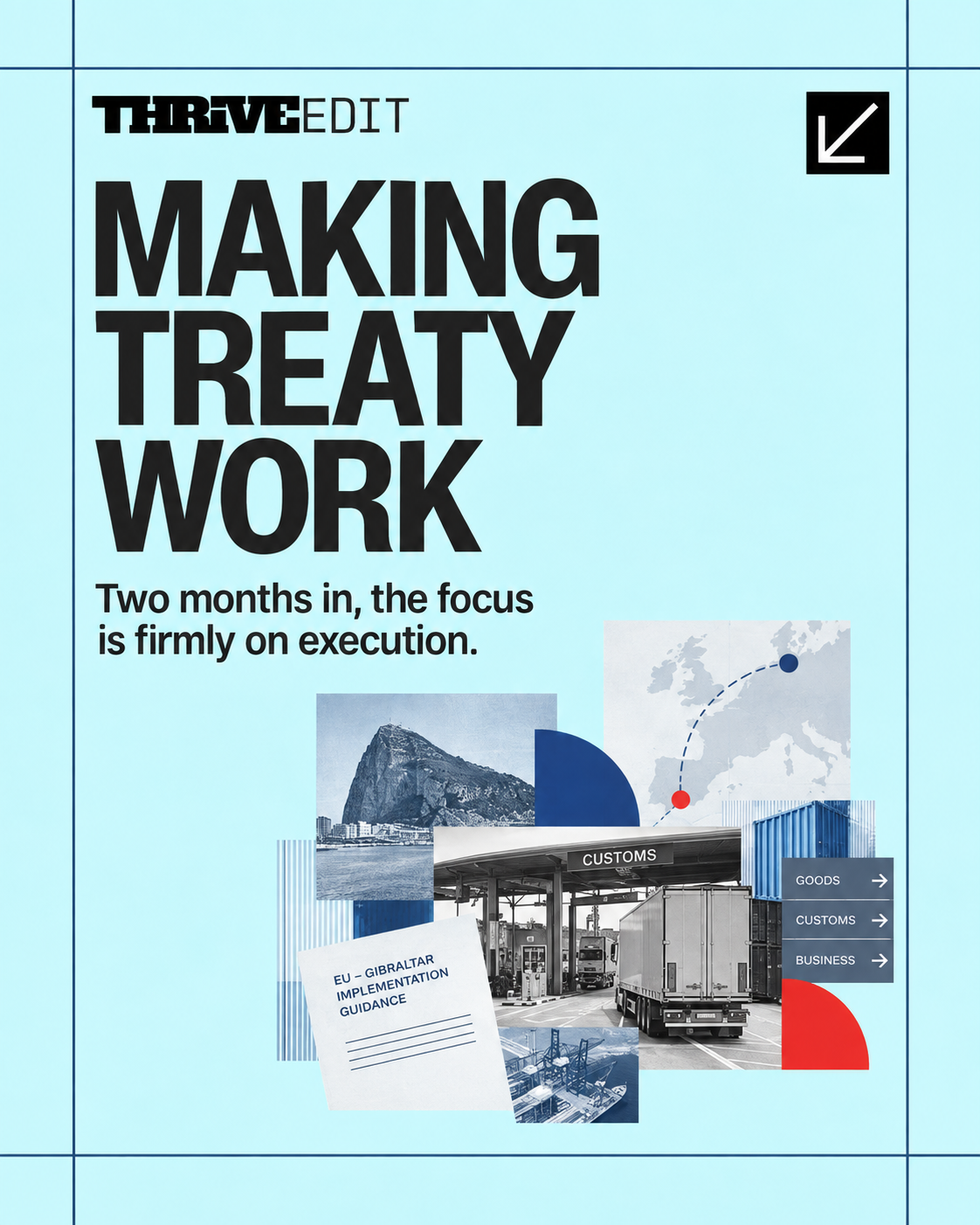
Two months into Gibraltar’s new Treaty arrangements, customs remains the main operational pressure point. We examine implementation, business friction and what comes next.
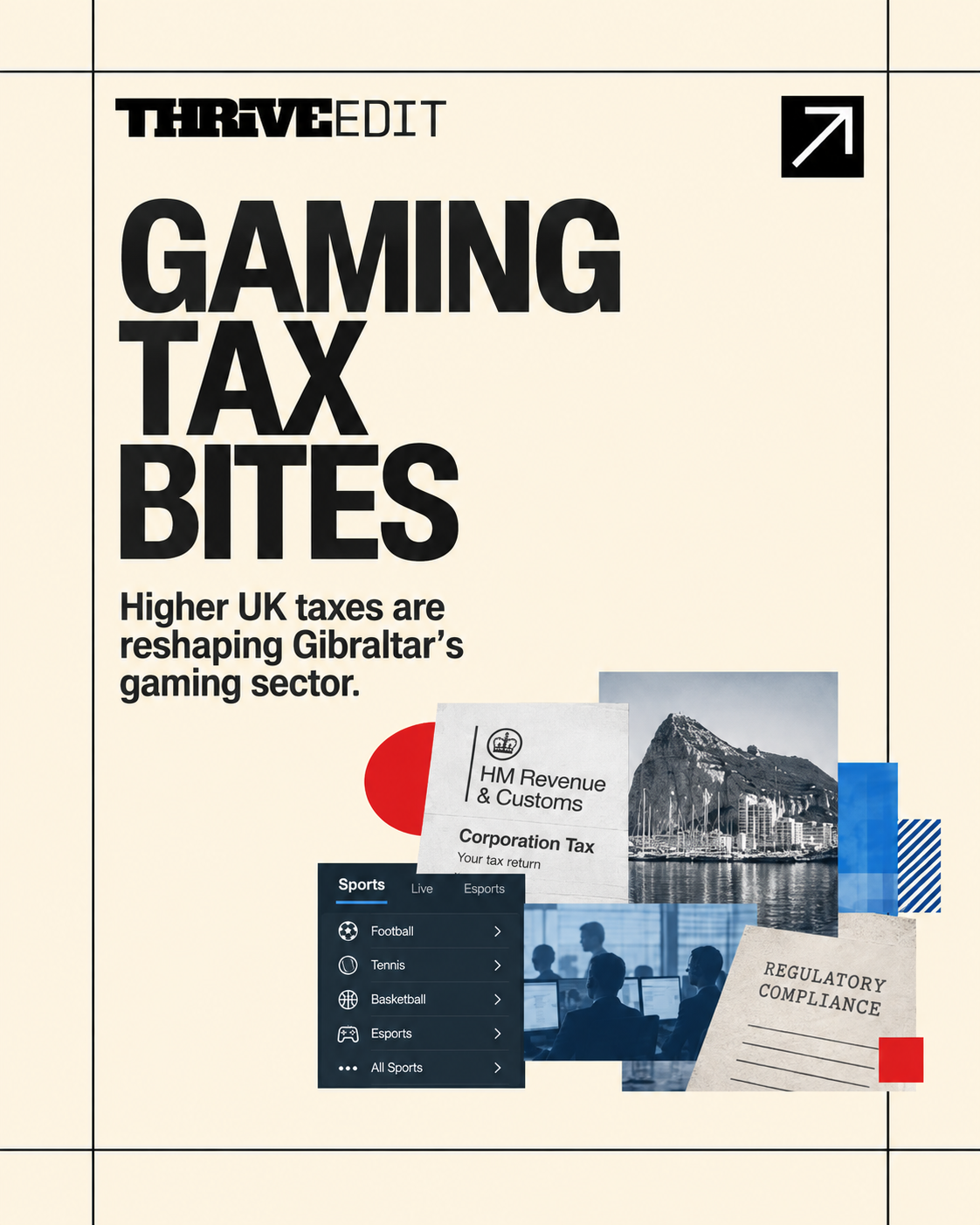
Bet365 and Entain are cutting roles as higher UK gaming taxes hit operator costs, while Midnite’s Gibraltar licence points to continued investment in the sector
How can businesses tell whether workplace training actually works? Explore practical ways to connect learning, behaviour and measurable performance.
Employers with 15 to 50 staff are now inside the final workplace pension extension window. Check eligibility, contributions, opt-outs and compliance requirements.