

 Gibraltar Federation of Small Businesses


 Gibraltar Federation of Small Businesses

Europe’s SMEs want growth, investment and room to scale. GFSB Board Director, Eran Shay tells us the debate in Brussels offers some useful lessons for Gibraltar too.
I was pleased to attend the SME2B Business Forum Europe 2026, organised by European Entrepreneurs CEA-PME in Brussels in early September, bringing together SME leaders, entrepreneurs, business associations, Members of the European Parliament and senior representatives of the European institutions.
This year’s theme – “We want more… Growth!” – could hardly have been more timely. The underlying message throughout the conference was that Europe urgently needs to rediscover economic growth and competitiveness, and that SMEs must be at the heart of this process.
The Forum highlighted a growing frustration among European entrepreneurs that businesses are being expected to compete globally while simultaneously facing increasing regulation, administrative costs, high energy prices and barriers to operating seamlessly across European markets.
Growth rather than more bureaucracy
One of my strongest takeaways was that SMEs are not necessarily asking governments and European institutions for more grants and subsidies. What they need is the freedom and the right conditions to grow.
The New Growth Agenda presented at the Forum focused on four key drivers: Innovation, Technology, Investment and Productivity.
However, these cannot flourish if entrepreneurs spend an increasing proportion of their time and resources dealing with compliance and bureaucracy.
There was therefore considerable emphasis on reducing red tape, carrying out proper SME impact assessments before introducing new rules, applying the “Think Small First” principle and avoiding unnecessary national gold-plating of European legislation.
One particularly interesting proposal was a “One In, Two Out” approach to regulation: for every new regulatory burden introduced, policymakers should identify two existing burdens that can be removed.
The message was simple: every hour an entrepreneur spends dealing with unnecessary bureaucracy is an hour not spent winning customers, developing products, employing people or expanding into new markets.
Learning from businesses that actually grow
The panel “What Makes a Company a Champion of Growth?” was particularly relevant. Rather than discussing entrepreneurship only from a policymaking perspective, it brought successful business owners into the discussion about what companies actually need in order to scale.
This is important. Europe has many successful small businesses, but we should also be asking why comparatively few of those businesses develop into major international companies.
Public policy should not simply help businesses survive. It should create an environment in which ambitious SMEs can scale, export, invest and become tomorrow’s Mid-Caps and global companies.
Other discussions examined the cost of energy and European competitiveness, as well as whether the next EU budget and proposed competitiveness initiatives will actually reach SMEs rather than becoming another layer of complex programmes accessible mainly to larger organisations.
The Forum’s Open Space discussions were also useful because entrepreneurs were able to discuss practical solutions around bureaucracy, energy costs and SME growth, rather than simply listening to institutional presentations.
Key Takeaways for GFSB and Gibraltar
There are also important lessons for the Gibraltar Federation of Small Businesses (GFSB).
Gibraltar has an opportunity to learn from some of the difficulties businesses are experiencing elsewhere in Europe. As a small jurisdiction, we should strive to maintain a pro-business environment where regulation is effective and proportionate without becoming unnecessarily bureaucratic.
This does not mean lowering regulatory standards. Good regulation provides confidence and is particularly important for Gibraltar’s international reputation. The challenge is ensuring that regulation remains risk-based, proportionate and practical for smaller businesses.
The conference also reinforced the importance of looking beyond Gibraltar’s domestic market. For a jurisdiction of our size, growth inevitably requires businesses to think internationally.
Through organisations such as GFSB and ESBA, Gibraltar businesses can build relationships with SME organisations and entrepreneurs throughout Europe, identify potential partners and markets and make Gibraltar part of a much wider European entrepreneurial network.
In Summary
My main conclusion from Brussels is that Europe does not have a shortage of entrepreneurs – it has a shortage of conditions that allow those entrepreneurs to grow quickly enough.
SMEs need access to finance, technology, skills and international markets, but they also need something much simpler: time and space to run their businesses.
Reducing unnecessary red tape, keeping regulation proportionate, lowering the cost of doing business and making it easier for SMEs to trade internationally should therefore be at the centre of the European growth agenda.
Our message should be straightforward:
Europe (and Gibraltar) needs SMEs not merely to survive – it needs them to grow. And policymakers must create the conditions that allow them to do so.




Nutritional coach and therapist MJ Feeke shares practical ways to support steadier energy, concentration and mood through a busy working day.
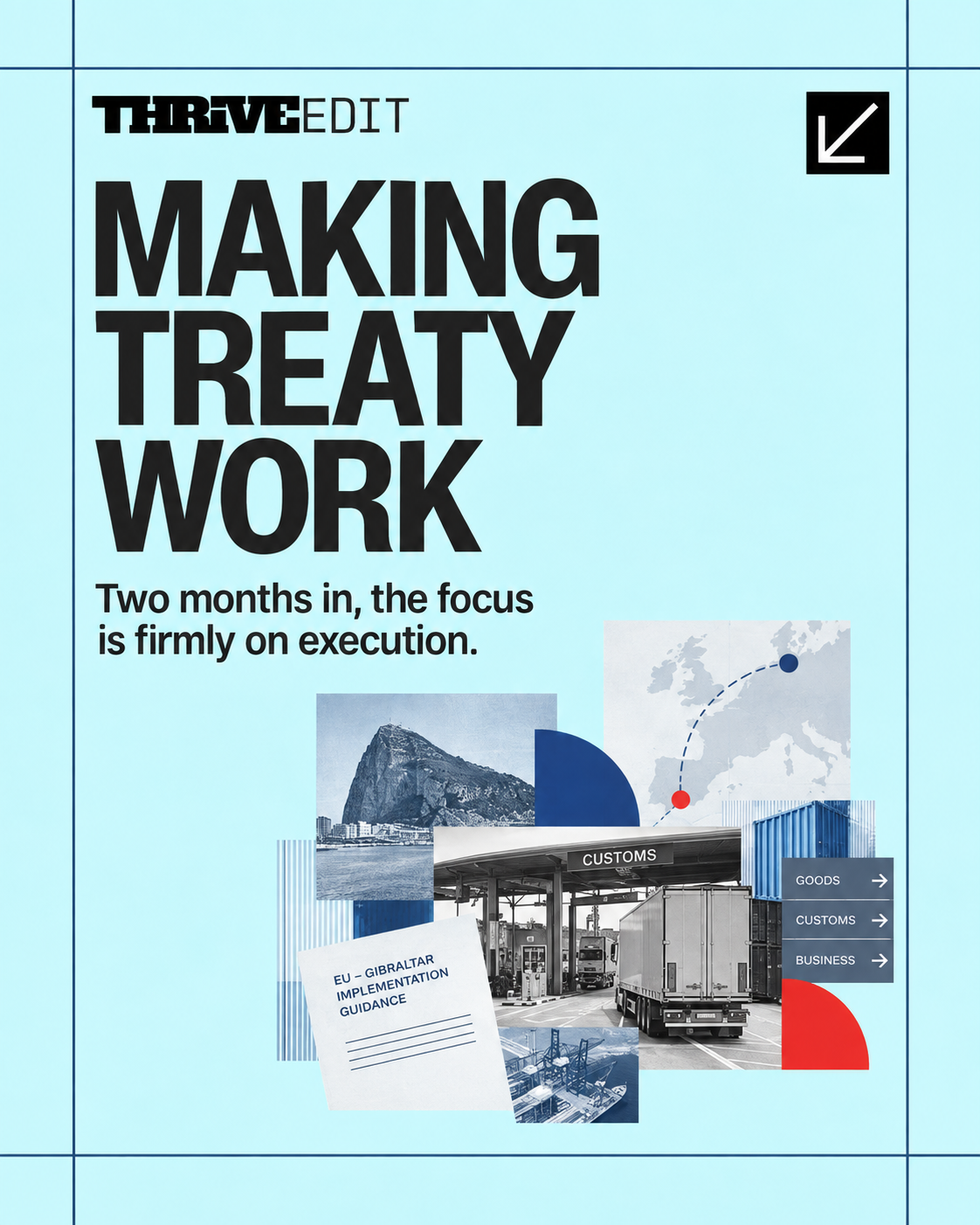
Two months into Gibraltar’s new Treaty arrangements, customs remains the main operational pressure point. We examine implementation, business friction and what comes next.

Bet365 and Entain are cutting roles as higher UK gaming taxes hit operator costs, while Midnite’s Gibraltar licence points to continued investment in the sector
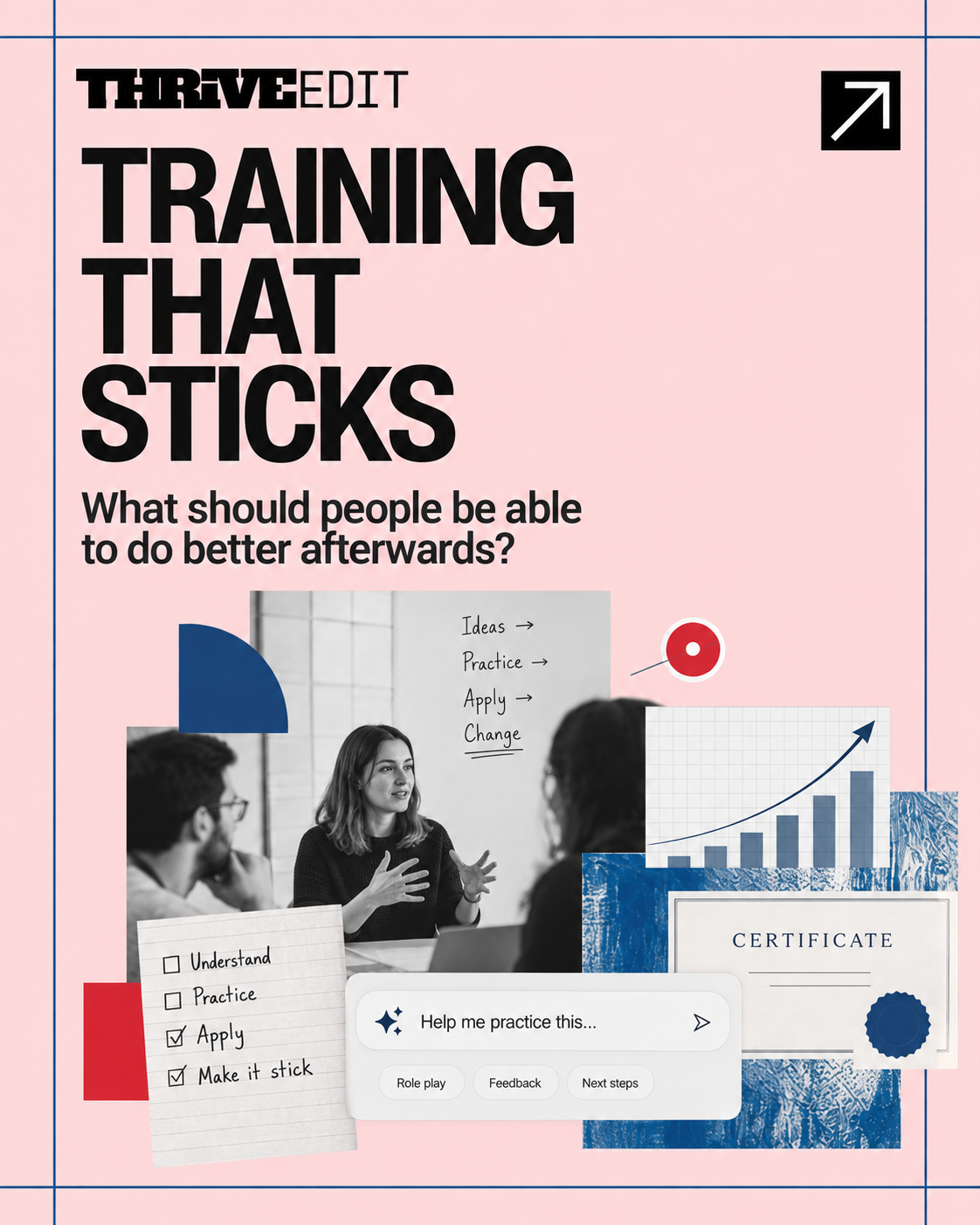
How can businesses tell whether workplace training actually works? Explore practical ways to connect learning, behaviour and measurable performance.
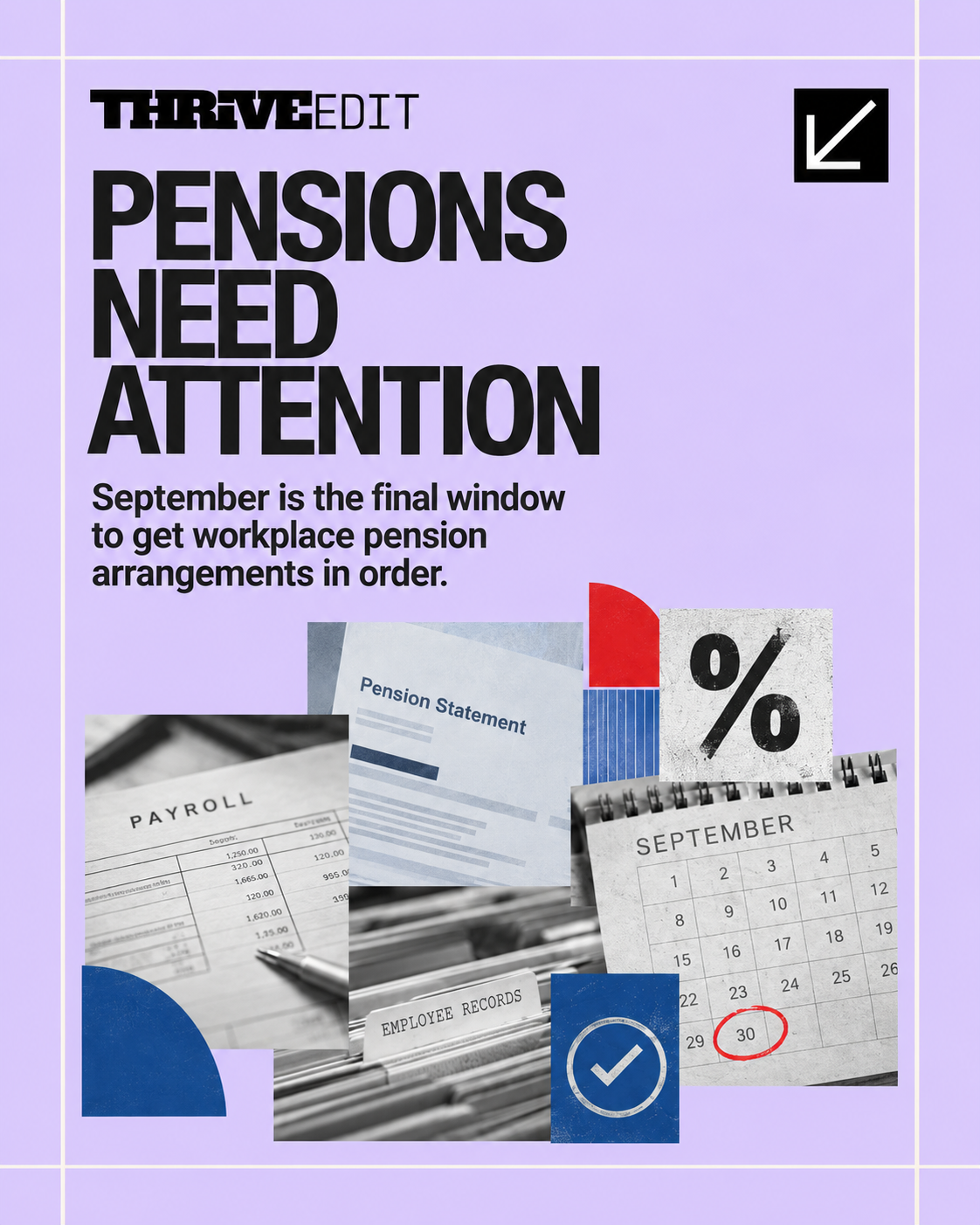
Employers with 15 to 50 staff are now inside the final workplace pension extension window. Check eligibility, contributions, opt-outs and compliance requirements.