
 Gibraltar Federation of Small Businesses


 Gibraltar Federation of Small Businesses

David Revagliatte looks into how UK gambling taxes are reshaping our economy.
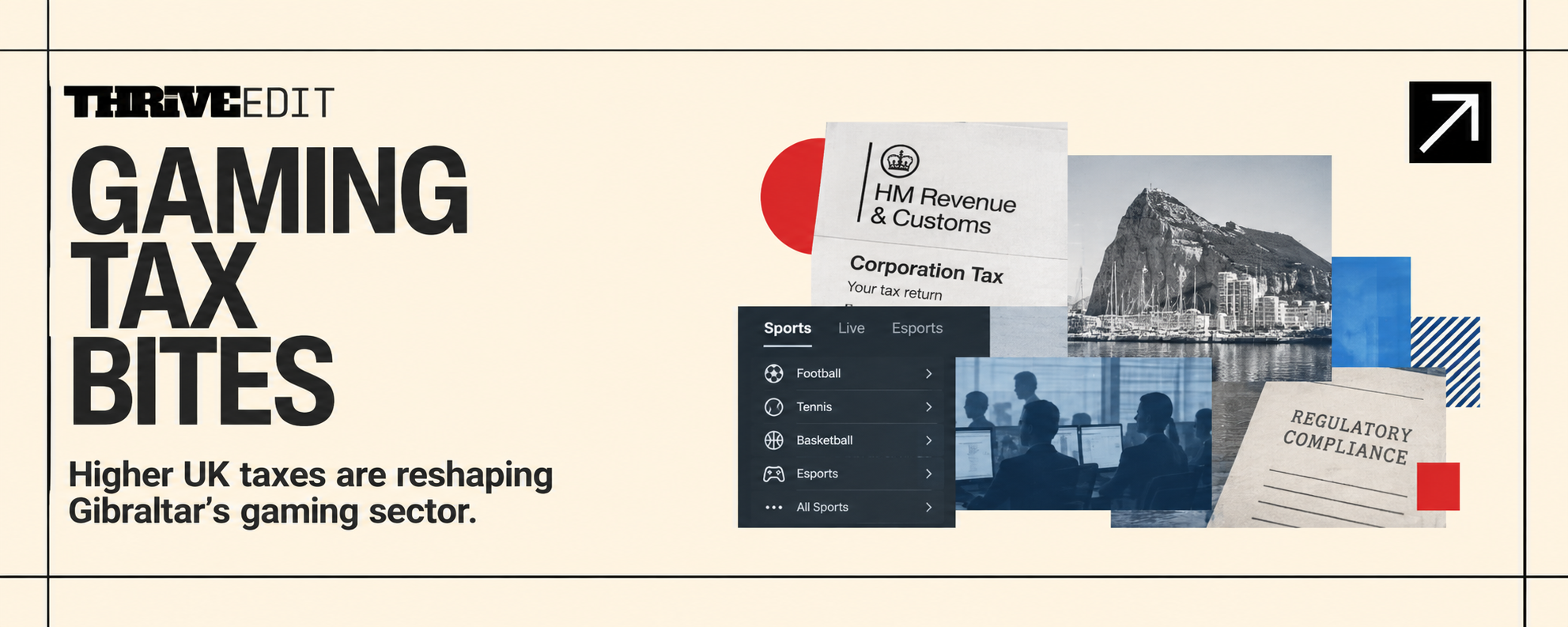
It’s a challenging time for gaming with higher UK gaming taxes beginning to feed through into restructuring decisions across Gibraltar’s largest private-sector industry. Bet365 and Entain have both announced job reductions, while Midnite’s arrival shows the jurisdiction is still attracting new operators in a tougher commercial environment.
Bet365 confirmed last week that it plans to reduce around 340 roles across its European operations, including 40 positions across Gibraltar and Malta. The company cited a highly competitive trading environment alongside increased regulatory and tax-related costs.
Entain has now announced a further round of redundancies too, cutting around 20% of its customer-care workforce as it responds to higher costs, including the impact of UK gambling taxes.
From 1 April 2026, the UK’s Remote Gaming Duty rose from 21% to 40%. Remote betting duty is due to rise from 15% to 25% from April 2027, excluding UK horseracing. Because UK remote gaming duties are largely applied on a place-of-consumption basis, Gibraltar-based operators serving UK customers remain fully exposed to the higher tax regardless of where the business is headquartered.
That leaves operators looking closely at margins, product mix, staffing, automation, marketing spend and the markets they choose to prioritise.
The Gibraltar Betting and Gaming Association warned last year that the new duty levels would place considerable pressure on UK-facing operators based on the Rock, particularly smaller and mid-sized businesses.
Entain and Evoke also warned that jobs and investment could be affected by the tax increases. By June this year, Minister for Gaming Nigel Feetham said Gibraltar was conservatively estimating a £40 million reduction in corporate tax revenue as a consequence of the UK gambling duty changes.
The latest restructuring announcements therefore sit within a broader adjustment already anticipated by both industry and Government.
Let’s not forget the wider picture either. Large gaming groups are also dealing with tighter regulation, market consolidation, rising compliance costs and increasing use of automation and AI. Entain’s own interim results showed online net gaming revenue growth of 7% on a constant-currency basis in the first half of 2026, while higher UK online gambling tax offset some of that stronger trading at EBITDA level.
For Gibraltar, the commercial question is how much employment, operational activity and decision-making remains here as operators continue to become leaner.
This week has also brought a different, more promising signal from the sector. Online operator Midnite has been granted a Gibraltar gambling licence, adding a newer technology-led business to the jurisdiction at the same time established operators are cutting costs. Founded in 2018, Midnite operates across sportsbook and casino products and has built much of its proposition around its own technology platform.
Its arrival gives the current picture more balance. Established operators with large UK customer bases are absorbing a sharp increase in tax on businesses already operating at significant scale, while newer entrants are still choosing Gibraltar for its regulatory environment, talent base and industry infrastructure. Minister Feetham has also said further licence applications are in progress.
Whilst there’s no denying we are directly affected by changing to taxation policies in the UK, Gibraltar still retains advantages that sit outside the UK tax regime. The jurisdiction has an established regulatory framework, a concentrated gaming workforce, specialist professional services and decades of experience supporting international operators.
The new Gambling Act broadens the regulatory framework across B2C and B2B businesses, key individuals and other gaming-related activities, while the Treaty has removed a major source of uncertainty around frontier movement for an industry whose workforce operates across Gibraltar and the surrounding region.
Midnite’s licence suggests those advantages still carry weight. The challenge is to ensure Gibraltar’s wider proposition remains strong enough to offset pressures coming from markets it cannot control.
We’ll need to watch whether operators continue to base senior and strategic functions here, whether traditional roles are replaced by more technical and product-led positions, how far automation changes workforce requirements and whether newer operators continue to enter the market.
There is also the question of market diversification. Gibraltar’s 2025 National Risk Assessment found that around 72% of gambling activity associated with Gibraltar licences was UK and Ireland-facing, underlining the sector’s exposure to changes in UK tax and regulation. That exposure will remain a structural issue even as individual businesses adapt.
The emerging picture is therefore one of transition. Higher UK taxation is putting visible pressure on established operators and employment, while Gibraltar continues to attract new entrants and invest in its wider gaming proposition. For the sector, the next phase will be shaped by how quickly operators can adjust their cost bases and how successfully Gibraltar can continue attracting, retaining and upgrading gaming activity.




Nutritional coach and therapist MJ Feeke shares practical ways to support steadier energy, concentration and mood through a busy working day.

Europe’s SMEs are calling for growth, investment and proportionate regulation. We look at the lessons from SME2B Business Forum Europe for Gibraltar businesses.
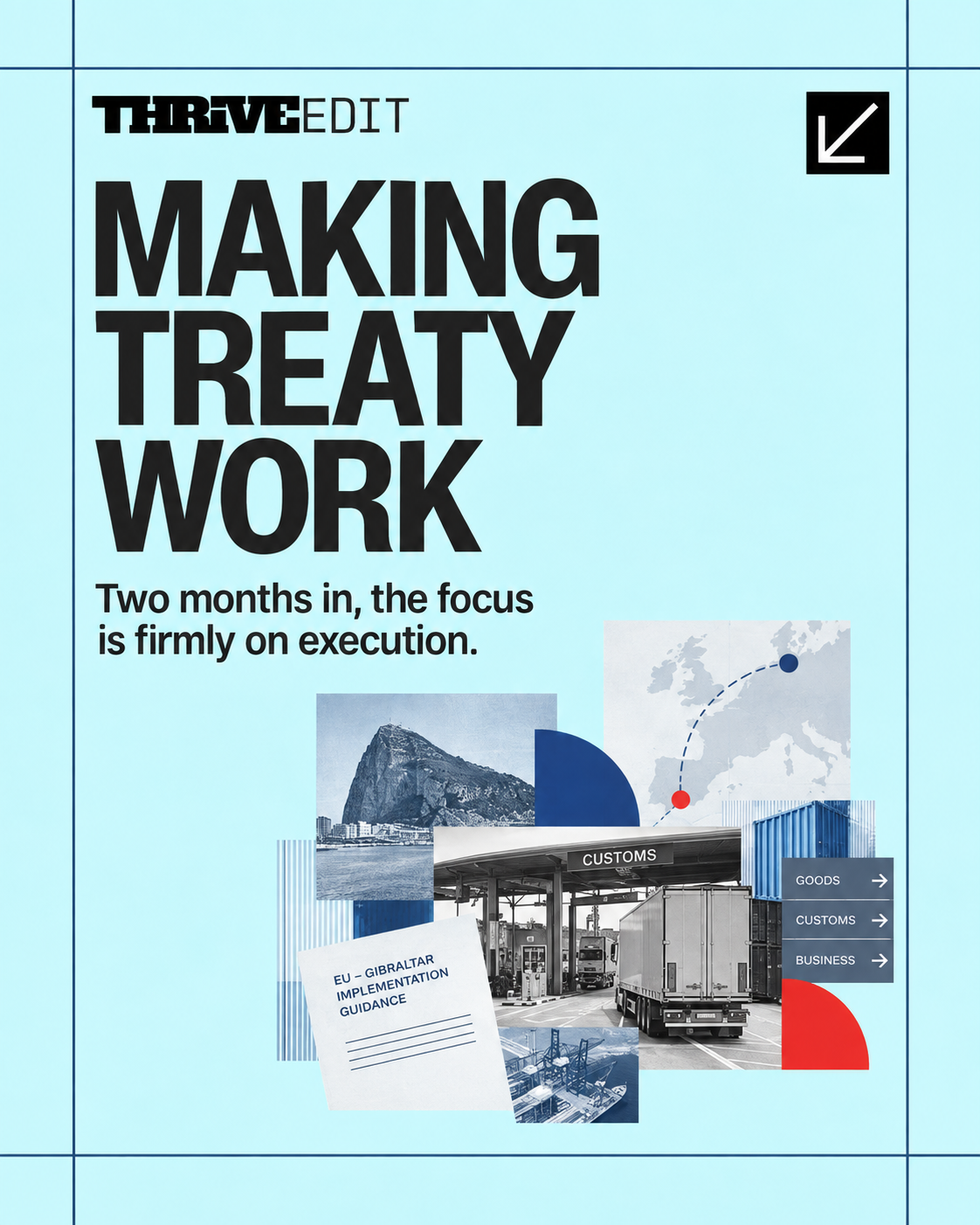
Two months into Gibraltar’s new Treaty arrangements, customs remains the main operational pressure point. We examine implementation, business friction and what comes next.


How can businesses tell whether workplace training actually works? Explore practical ways to connect learning, behaviour and measurable performance.
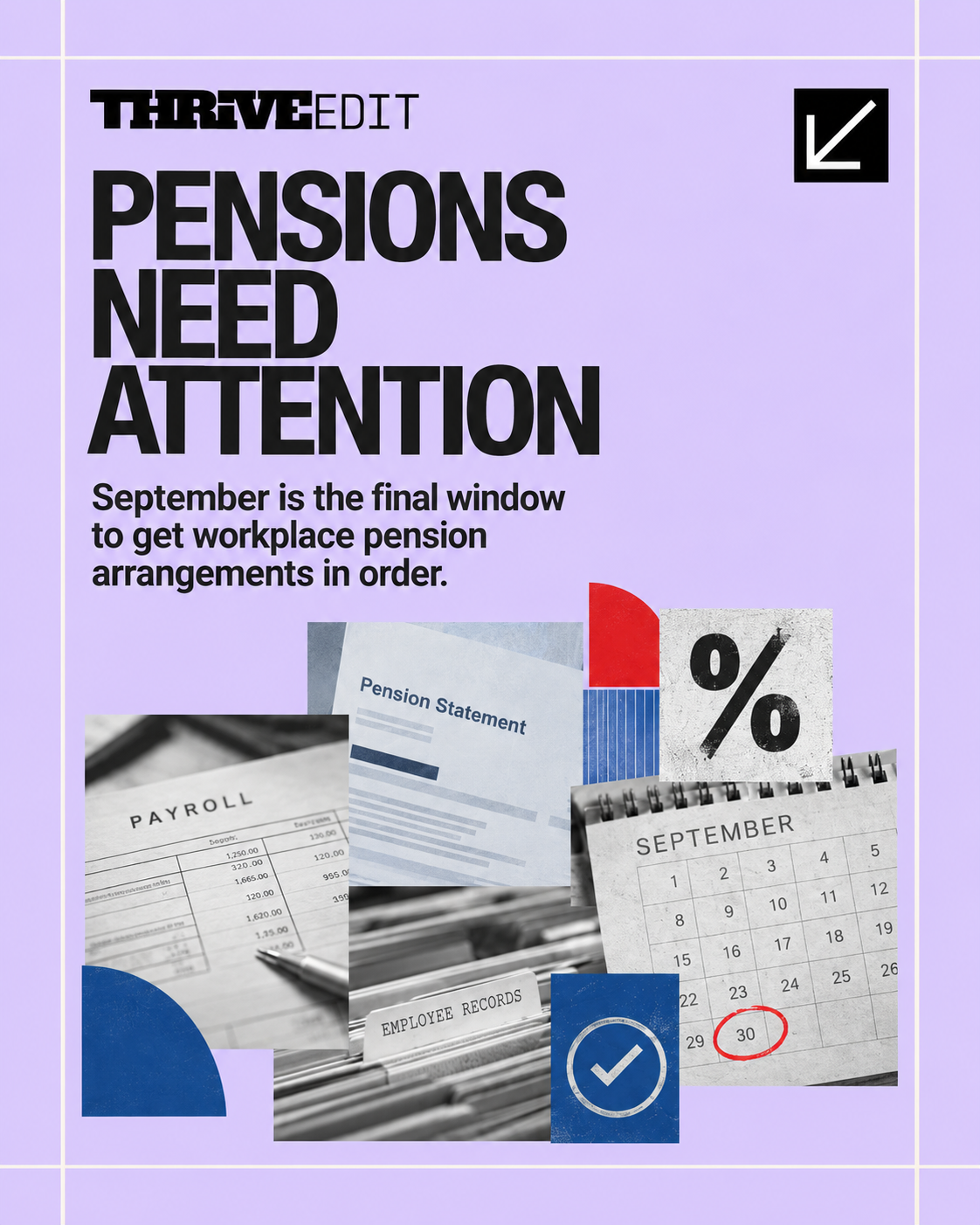
Employers with 15 to 50 staff are now inside the final workplace pension extension window. Check eligibility, contributions, opt-outs and compliance requirements.