

 Gibraltar Federation of Small Businesses


 Gibraltar Federation of Small Businesses

Over the past few weeks, Gibraltar businesses have received a steady flow of Treaty-related information. This has included technical customs guidance, FAQs, Town Hall meetings, residency proposals and updates on customs procedures. Taken together, these have helped businesses build a clearer understanding of how the new arrangements will work, and that progress is widely recognised. Whilst uncertainty and concerns remain the effort being made by political and civil Government is clear.
As implementation approaches, our attention is increasingly turning to another aspect of the transition: how businesses will manage the associated costs.
The conversation has changed
A few months ago, the main concern for many businesses was the lack of practical information. There was a clear need to understand what the new arrangements would look like and what steps were required to prepare. While some areas still require clarification, the overall picture is now much clearer. As a result, the focus is gradually shifting from understanding the rules to considering how they will operate in practice.
For some businesses, particularly those importing goods, new customs processes, transaction tax, compliance requirements and administrative changes will result in additional costs that will need to be managed. The most obvious is the direct effect of a 15% transaction tax, that will see many businesses importation costs rise very substantially.
A request first made in February
In February, the GFSB joined the Gibraltar Chamber of Commerce, the Fair Trade Organisation, Catering Association, Retailers Association, Jewellers Association and representatives of the logistics sector in calling for direct financial assistance to support businesses through the transition. A follow-up letter in April welcomed the additional time created by the revised implementation timetable but highlighted that one key issue remained outstanding.
“The principal commitment sought from Government… was direct financial assistance to businesses, particularly those most affected by the transaction tax.”
The letter also recognised the measures already introduced, including additional business rates relief, transaction tax deductions, recruitment support and the commercial rent moratorium. However, it noted that these measures do not amount to direct financial assistance of the kind seen in other European jurisdictions.
An important development
There has also been a relevant development this week. During her address at the GFSB Annual Dinner, Minister for Business Gemma Arias-Vasquez confirmed that Government has appointed an independent State Aid expert within the Gibraltar Regulatory Authority. This is a positive step, as state aid considerations have always been part of the discussion around direct financial support, and it may help provide a framework for designing support measures that comply with the relevant rules.
An opportunity in next week’s Budget
The Government’s Budget is due next week, and ministers have indicated that business support measures will be announced. The GFSB is clear – those measures must go further than the support measures already announced in March and must include state aid compliant direct financial assistance for business.
Businesses have welcomed the increased engagement and the volume of guidance published in recent weeks. The next stage is to ensure that those most affected by the changes have the support they need to adapt.
State Aid Compliant
Whilst the Federation recognises that any direct financial support must be state aid complaint, the EU itself provides a number of regimes that provide for direct financial assistance. To ensure that there is a level playing field between Gibraltar and companies across the border, Gibraltar companies must be able to access the same level of direct financial assistance.
What happens next?
The Federation will continue to engage with Government and its members as implementation approaches and will comment further once it has had the opportunity to consider the full detail of any measures introduced in next week’s Budget.
If you have any views or concerns about this issue please contact gfsb@gfsb.gi


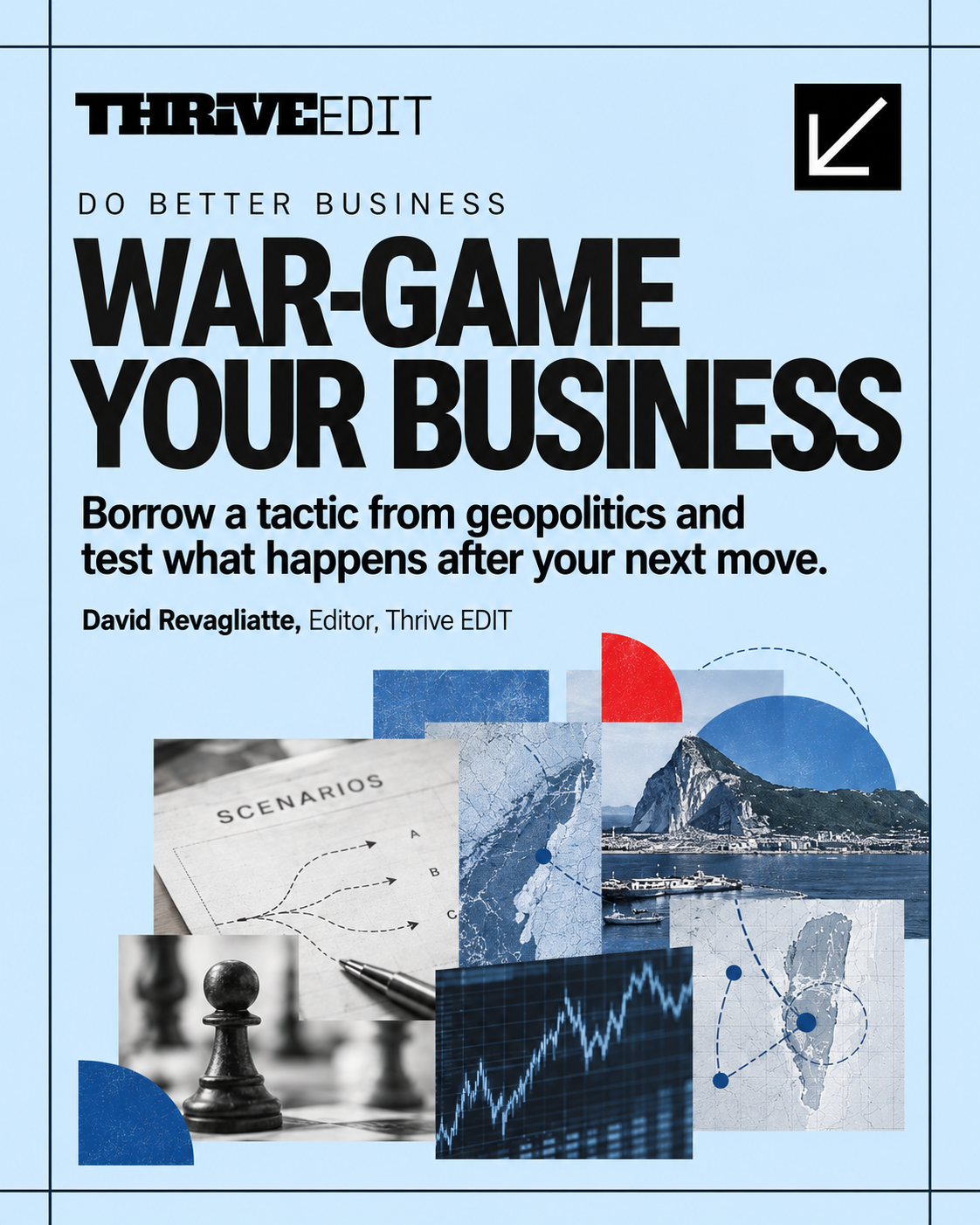

Governments and geopolitical strategists use simulations to test what might happen when other players react. The same thinking can help businesses challenge assumptions, anticipate competitors and prepare for decisions before real money is on the line.

From Hong Kong to Abu Dhabi, Gibraltar is pursuing new industries and investors as part of a major economic diversification drive. Minister Nigel Feetham says the campaign is already generating business. The bigger question is how far those opportunities can spread through Gibraltar’s wider economy.

Gibraltar plans a new residency route for financially independent over-55s alongside a new business think tank announced at GibLink London.

New frontier lanes and discussions around a cross-border transport interchange raise questions about buses, workers, visitors and business connectivity.
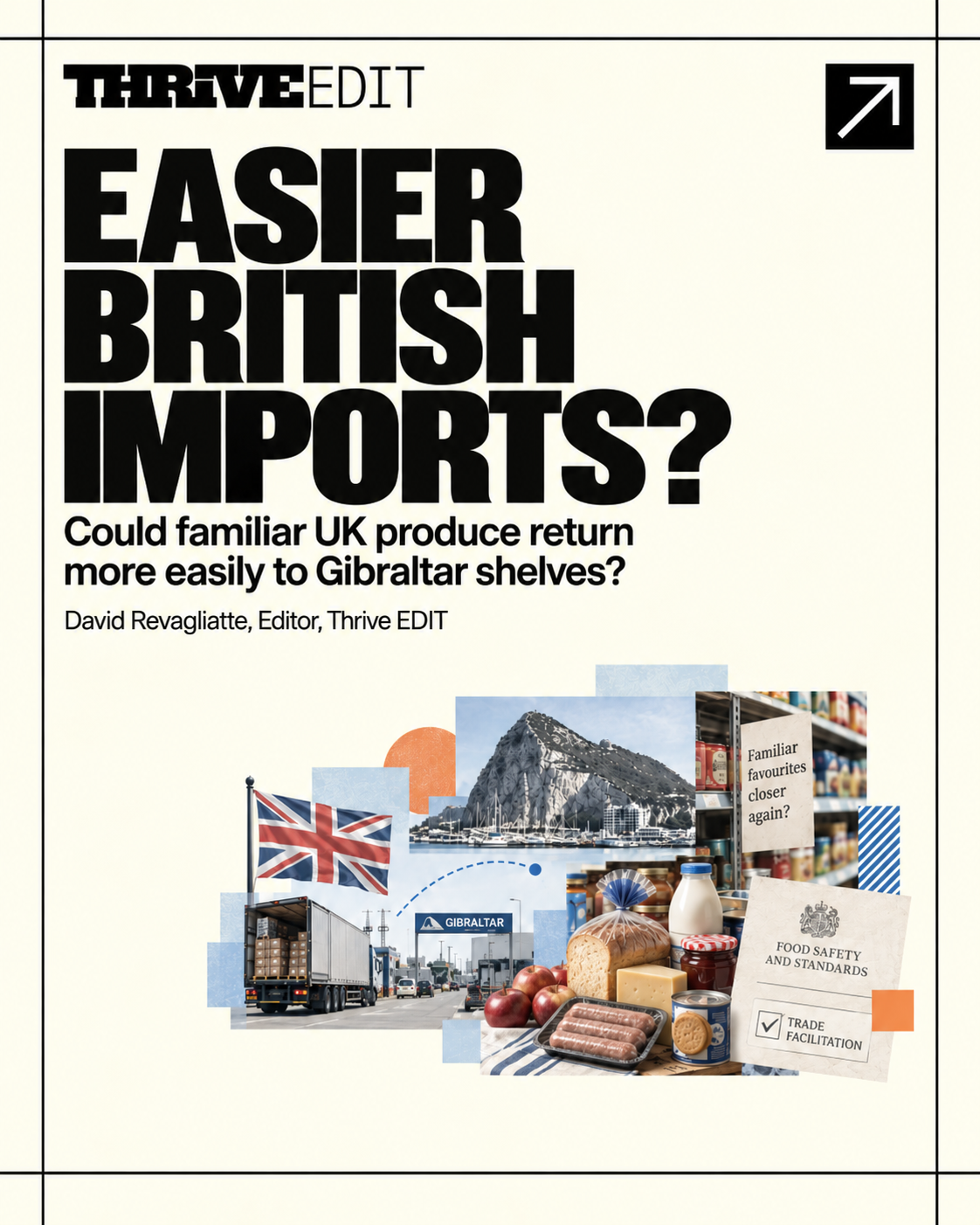
Could a future UK-EU food agreement make it easier for British produce to return to Gibraltar shelves? British produce has long been part of Gibraltar’s shopping experience; I wrote about it a couple of years ago, before we had a Treaty in place. From supermarket staples and fresh food to familiar household brands, we’ve spent […]