

 Gibraltar Federation of Small Businesses


 Gibraltar Federation of Small Businesses

by MJ Feeke, BANT registered Nutritional Therapist
Discover how resilience can help you navigate stress, protect your wellbeing, and sustain long-term performance in both your professional and personal life.
In today’s fast-paced world, resilience has become essential for maintaining both wellbeing and performance. Many professionals, balancing leadership, career growth, family life, and personal responsibilities, are constantly navigating pressure and change. But resilience is not about avoiding stress altogether. It is about how we adapt, recover, and continue moving forward without sacrificing our health in the process.
What is resilience?
Resilience is the ability to adapt, recover, and perform effectively under stress, pressure, or change. True resilience includes physical, mental, and emotional capacity, all of which are influenced by lifestyle, nutrition, sleep, and recovery habits. Rather than eliminating stress, resilience helps us return to balance more effectively after challenging periods.
Why resilience matters
Resilience is closely linked to workplace performance and overall wellbeing. Stronger resilience can support:
• Better focus and productivity
• Improved stress management
• More stable mood and energy
• Better decision-making
• Reduced risk of burnout
In demanding environments, resilience becomes a protective factor that allows individuals to sustain performance over time rather than constantly operating in survival mode.
Understanding the stress response
The body responds to stress through the autonomic nervous system, commonly known as the “fight or flight” response. While this response is useful in short bursts, chronic stress can negatively affect energy, sleep, digestion, hormones, and emotional wellbeing.
The body also needs time in a “rest and recover” state, where healing, repair, and recovery can take place. Building resilience means creating habits that help the body move out of chronic stress mode more regularly.
Nutrition and resilience
Nutrition plays a foundational role in stress management and resilience. Stable blood sugar levels help support consistent energy, mood, and concentration throughout the day, while skipping meals or relying heavily on sugar and caffeine can increase stress on the body.
Protein is essential for neurotransmitter production, supporting focus, motivation, and emotional balance. Healthy fats, particularly omega-3 fatty acids, support brain health, cognitive performance, and mood regulation.
Hydration also plays a key role, as even mild dehydration can affect concentration, fatigue, and overall cognitive function.
Key nutrients for stress support
Certain nutrients are especially important for resilience and nervous system support:
Magnesium supports relaxation, sleep quality, and nervous system calm.
B vitamins are essential for energy production and healthy nervous system function.
Omega-3 fatty acids support brain health and emotional regulation.
Vitamin C supports the body’s stress response, immune function, and helps reduce oxidative stress.
Together, these nutrients help support both physical and mental resilience during periods of stress and high demand.
The gut-brain connection
The gut and brain are closely connected through the gut-brain axis. Gut health can directly influence mood, mental clarity, and stress response. A balanced microbiome supports emotional regulation and resilience, while diets high in processed foods and low in fibre may increase inflammation and negatively impact wellbeing.
Supporting digestion through balanced nutrition and lifestyle habits is therefore an important part of supporting resilience.
Lifestyle foundations that build resilience
Resilience is built through consistent daily habits, not quick fixes. Many people underestimate the importance of rest, yet recovery is where the body repairs, restores, and adapts.Some of the most important foundations include:
• Quality sleep for recovery and hormone balance
• Regular movement to support mood and stress regulation
• Breathwork and nervous system regulation techniques
• Adequate recovery time to prevent burnout
Small changes create long-term impact
Sustainable resilience is built through small, consistent actions rather than dramatic short-term changes. Eating regular meals, prioritising protein at breakfast, reducing caffeine spikes, improving sleep routines, and creating recovery time can all have a significant impact over time. Consistency is far more powerful than perfection.
Resilience is built daily
Resilience is not something we either have or do not have. It is something we build through daily choices that support both body and mind. When strong foundations are in place, we are better equipped to navigate challenges, manage stress, and sustain performance in both work and life. Ultimately, resilience is about creating the capacity to recover, adapt, and continue moving forward in a healthy and sustainable way.


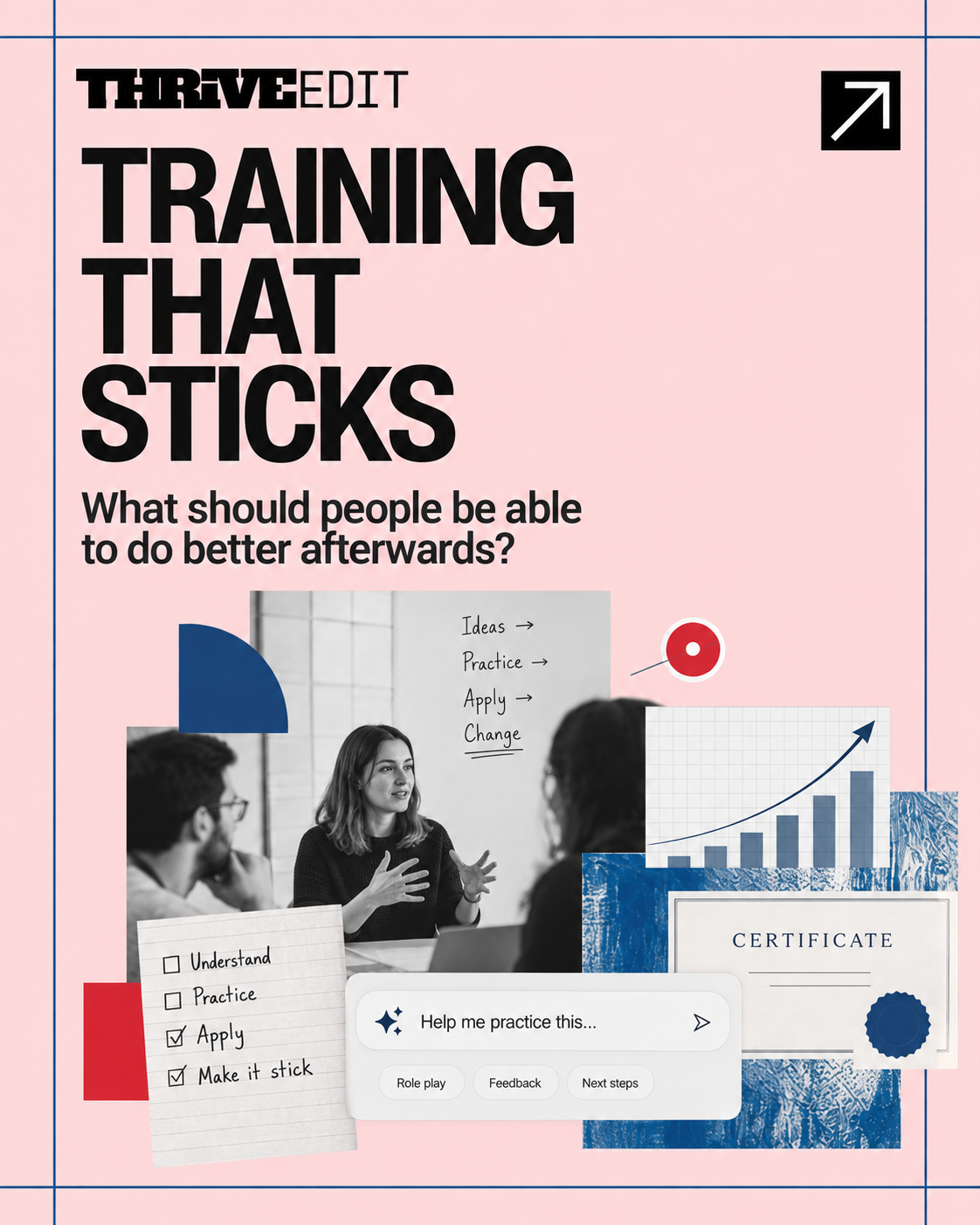


How can businesses tell whether workplace training actually works? Explore practical ways to connect learning, behaviour and measurable performance.
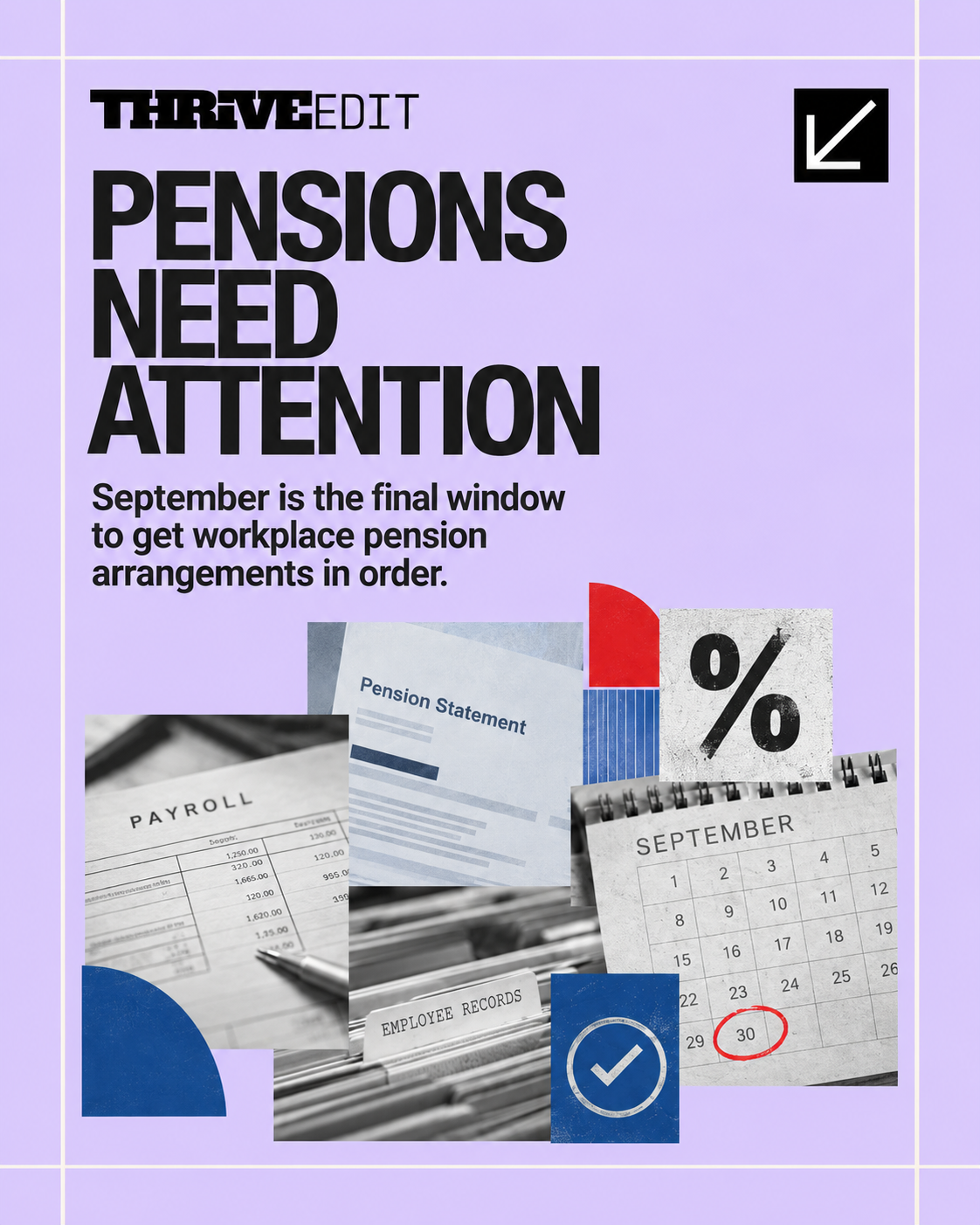
Employers with 15 to 50 staff are now inside the final workplace pension extension window. Check eligibility, contributions, opt-outs and compliance requirements.

Investment in automation, logistics, tourism and green technology across the Campo de Gibraltar is reshaping the regional skills base. Here’s what Gibraltar employers should watch.

Imported goods around the Treaty changeover? It is worth going back through July’s paperwork. HM Customs has introduced a refund process for qualifying consignments that had already started their journey to Gibraltar before 15 July but were cleared afterwards.

Clocked out in August? Good for you. Thrive EDIT Editor David Revagliatte rounds up the Gibraltar business stories worth clocking back into. August is supposed to be the month when Gibraltar collectively eases off the accelerator. Judging by the news cycle, nobody told 2026. The first full month of life under the new Treaty arrangements brought a mixture of early optimism and very real teething problems for businesses. New employment rules landed, a pensions deadline crept closer, one of Gibraltar's most important airlines changed hands and a major local bank announced job cuts.