
 Gibraltar Federation of Small Businesses


 Gibraltar Federation of Small Businesses

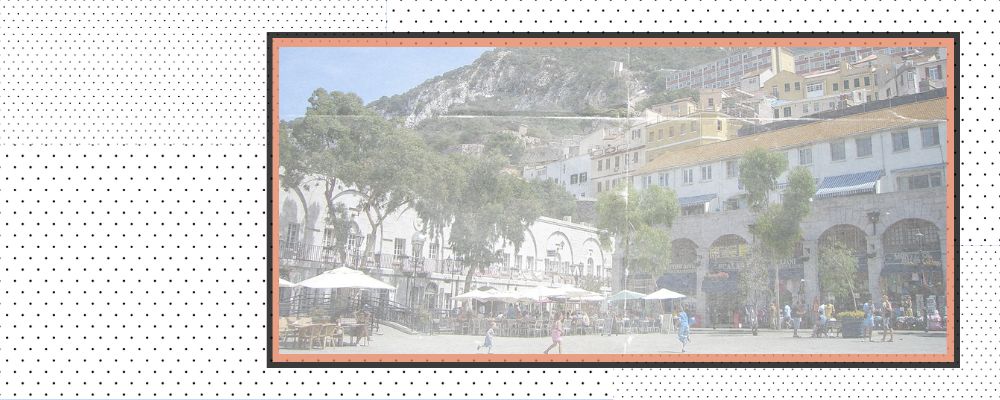
Recently-announced plans to beautify Main Street, redevelop Casemates Square and upgrade Chatham Counterguard represent the most significant investment in Gibraltar’s commercial heart for years. We’ve seen the addition of flower trolleys and more has been proposed. On the surface, these are physical improvements. In reality, they send a much bigger signal.
Research by Professor Will Jennings at the University of Southampton shows just how closely people link the state of their high street with how they feel about the place they live. In a YouGov survey of more than 2,600 adults in England, local high streets scored among the most negatively perceived features of an area. When asked whether things had improved over the past decade, the condition of high streets recorded the sharpest perceived decline of any measure tracked.
The takeaway is simple. When high streets look neglected, people assume the wider place is struggling. When it feels invested in, confidence follows.
But obviously Gibraltar is not England (thank the Lord). Our economy, scale and mix of retail, hospitality and tourism are entirely different. But the principle still holds. Main Street is both our commercial centre and our shop window and it’s about to get a glow up.
With the UK-EU Treaty expected to bring greater international attention to Gibraltar, the way our town centre looks and feels will matter even more. Visitors form impressions quickly. A welcoming, well-kept commercial district encourages people to linger, explore and spend.
Footfall responds to environment. Streets that are pleasant to walk through create dwell time, and dwell time drives economic activity. Chatham Counterguard already shows how this can work. Once an overlooked corner, it is now one of the Rock’s most popular evening destinations. Further investment should only strengthen that momentum.
Casemates plays a similar role. It is the gateway for visitors arriving in Gibraltar and a gathering point for many of us. Improving that space is not just about aesthetics. It is about reinforcing the experience people have when they enter the heart of the city.
For Main Street traders, the coming works will bring some disruption and headaches, but some much-needed investment ahead of a pretty challenging time. As the research suggests, places that look cared for attract people. And when people return, businesses benefit.


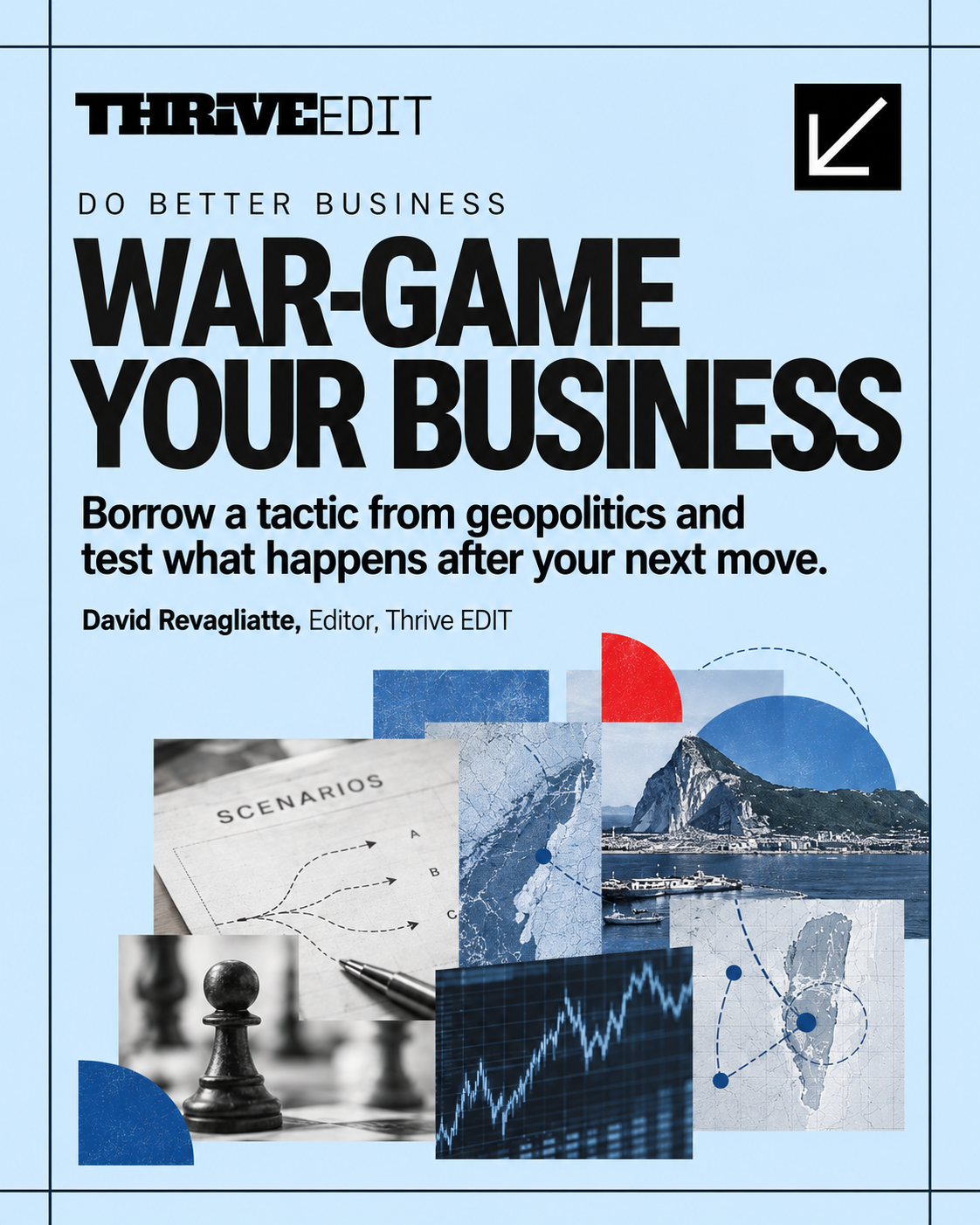

Governments and geopolitical strategists use simulations to test what might happen when other players react. The same thinking can help businesses challenge assumptions, anticipate competitors and prepare for decisions before real money is on the line.
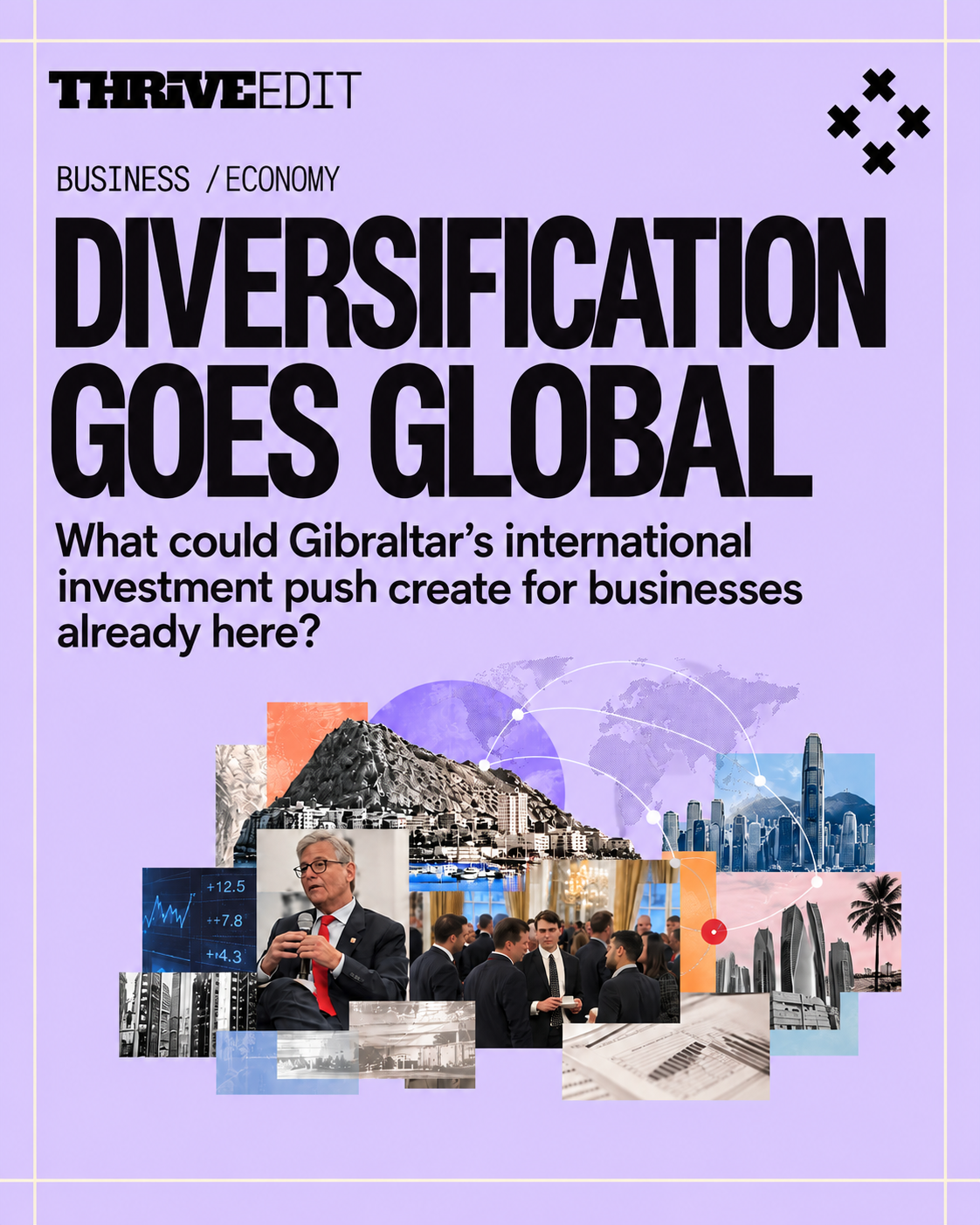
From Hong Kong to Abu Dhabi, Gibraltar is pursuing new industries and investors as part of a major economic diversification drive. Minister Nigel Feetham says the campaign is already generating business. The bigger question is how far those opportunities can spread through Gibraltar’s wider economy.
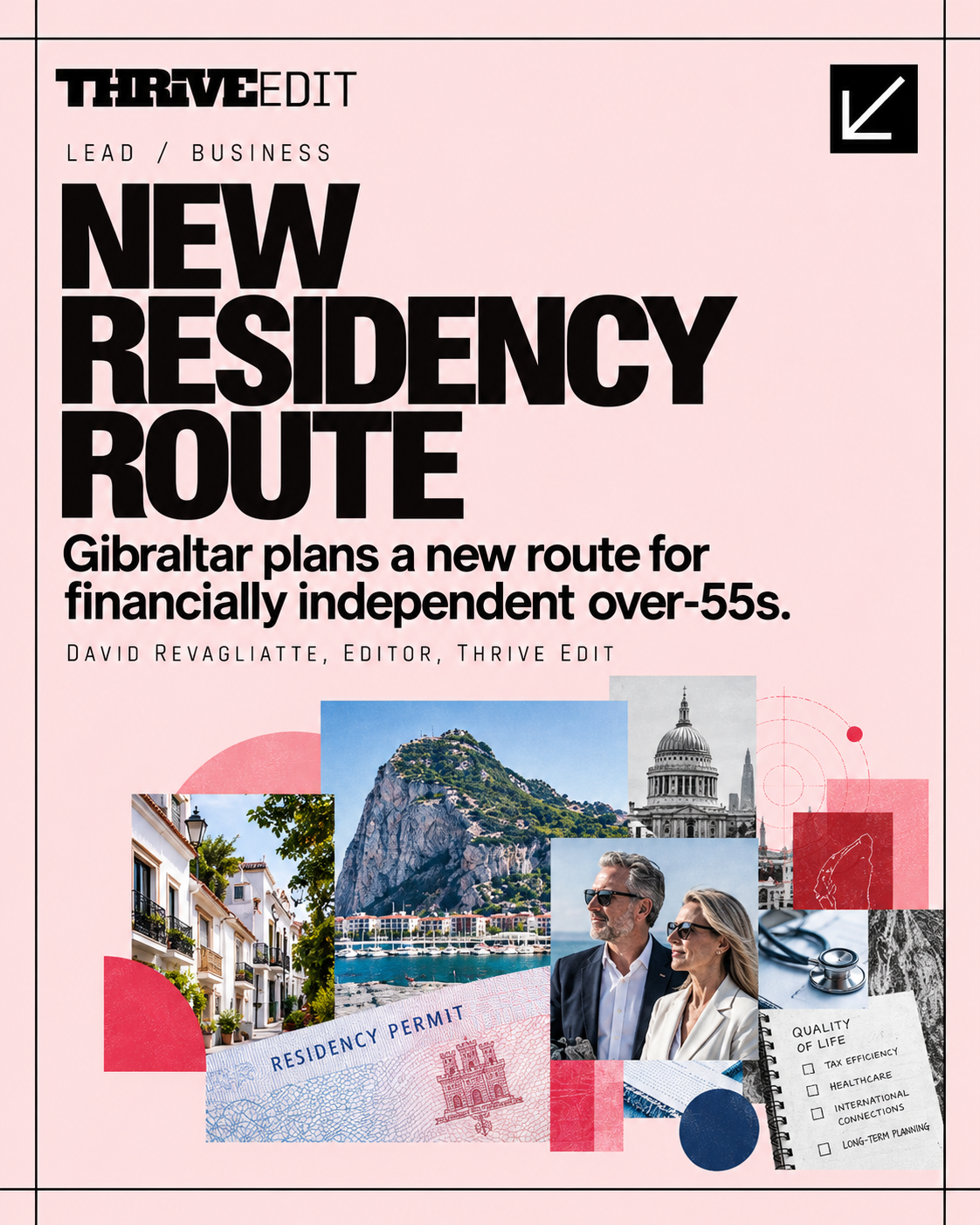
Gibraltar plans a new residency route for financially independent over-55s alongside a new business think tank announced at GibLink London.

New frontier lanes and discussions around a cross-border transport interchange raise questions about buses, workers, visitors and business connectivity.

Could a future UK-EU food agreement make it easier for British produce to return to Gibraltar shelves? British produce has long been part of Gibraltar’s shopping experience; I wrote about it a couple of years ago, before we had a Treaty in place. From supermarket staples and fresh food to familiar household brands, we’ve spent […]