
 Gibraltar Federation of Small Businesses


 Gibraltar Federation of Small Businesses

GFSB members are being invited to review a detailed submission sent to HM Government of Gibraltar on 23 February 2026 outlining lawful ways to ease the impact of VAT-style taxation on SMEs under EU State aid rules.
Why this paper exists
The document analyses how governments within the EU lawfully reduce VAT burdens on small and medium-sized enterprises while remaining compliant with EU State aid rules.
Although Gibraltar is not part of the EU VAT regime, the paper assumes Gibraltar will be subject to EU State aid disciplines and argues that any Transaction Tax relief must be structured accordingly.
The big idea
The submission identifies multiple mechanisms already used across the EU that could, in principle, be adapted locally. These fall into six broad categories:
Each mechanism is analysed against EU Treaty articles, regulations and eligibility thresholds.
Key mechanisms in plain terms
De minimis aid
Since January 2024, EU rules permit up to €300,000 in aid over a rolling three-year period without formal notification to the European Commission. This can include grants, soft loans, guarantees or tax advantages, provided the benefit is transparent and tracked centrally from 1 January 2026 onwards.
SME VAT exemption
Under the VAT Directive, Member States may exempt small businesses below national turnover thresholds, now harmonised up to €85,000. This reduces compliance burdens but removes the right to deduct input VAT.
Postponed import VAT
The paper highlights postponed import VAT accounting, where VAT is declared on the return rather than paid at the border. This is described as cash-flow neutral and not State aid because it alters timing, not liability.
Cultural and heritage aid
High thresholds under the General Block Exemption Regulation allow significant investment or operating aid for cultural purposes without notification, subject to conditions.
Deferred VAT
VAT payment deferral is legally possible but must be structured either within de minimis limits or as notified State aid. COVID-era schemes are cited as precedent.
A broader funding proposal
The submission also suggests that Government consider direct SME support through a reconstituted Business Improvement District, fully Government-funded, using the same legal frameworks that permit EU-level SME support.
Why this matters now
With Transaction Tax arrangements approaching implementation, the document aims to demonstrate that relief mechanisms can be structured in ways already recognised in EU law, reducing the risk of legal challenge.
We are strongly urging our members to read the full submission and share feedback. Clear, practical and legally robust solutions will depend on detailed sector input before any policy decisions are finalised.




For many SMEs, the success of the business has been built on the expertise, relationships and commitment of its owner. This entrepreneurial approach has been instrumental in the growth of many of Gibraltar's successful businesses. However, as organisations develop, dependence on a single individual can become a strategic risk.
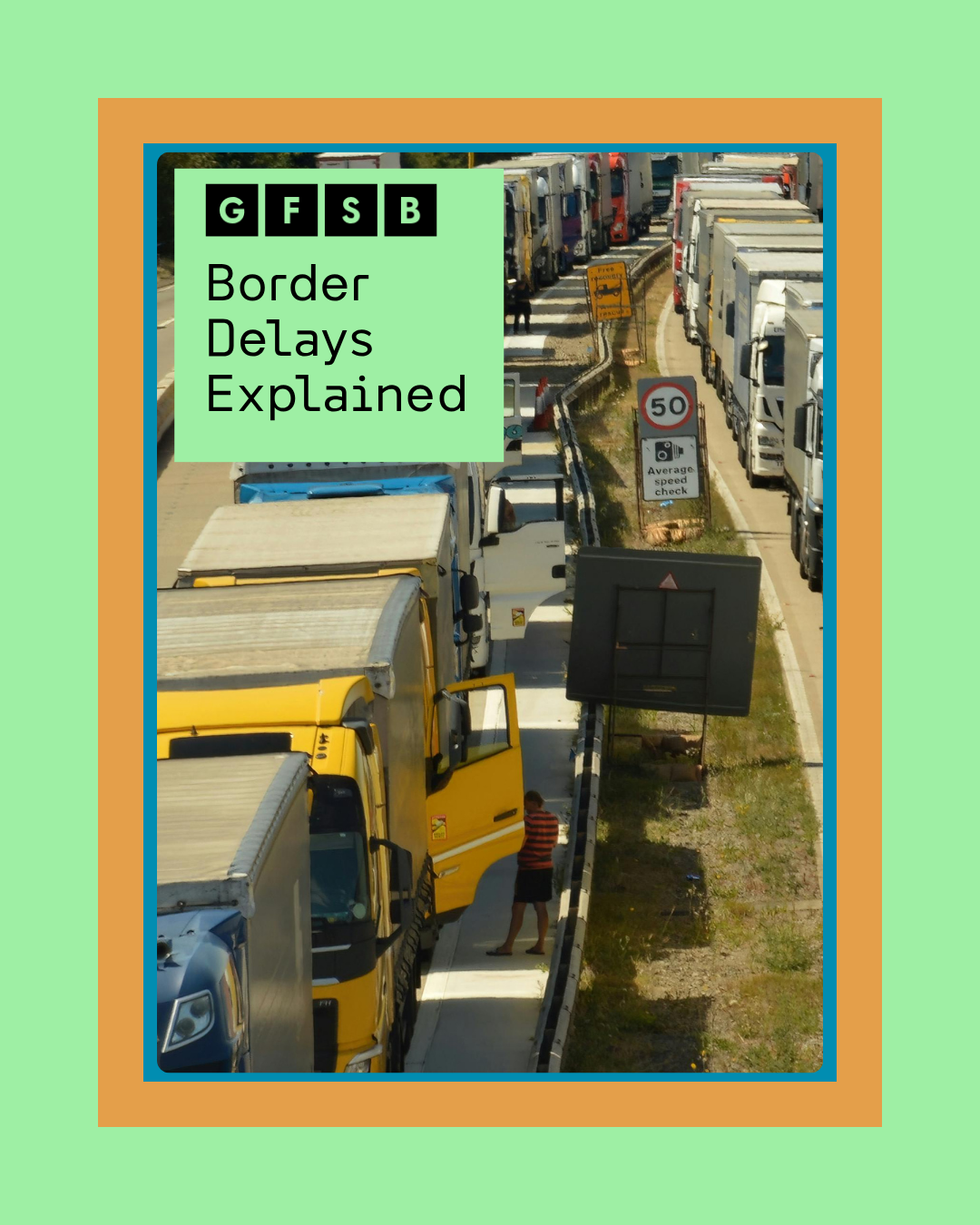
Imports including medicines, fresh produce and other commercial goods faced significant delays as businesses and Customs adjusted to the Treaty’s new frontier procedures, with some freight reportedly held since the arrangements began on 15 July. The disruption is the clearest early warning that documentation errors and unfamiliar processes can quickly affect stock availability, perishable goods and operating costs across Gibraltar’s retail and wholesale sectors.

For many, summer offers something that's in short supply during the rest of the year: space. Space to learn, think differently, meet new people and recharge before the final push towards year-end. If you're looking to make the most of the season, here are three ways to return in September with fresh ideas, renewed energy and a few new connections.
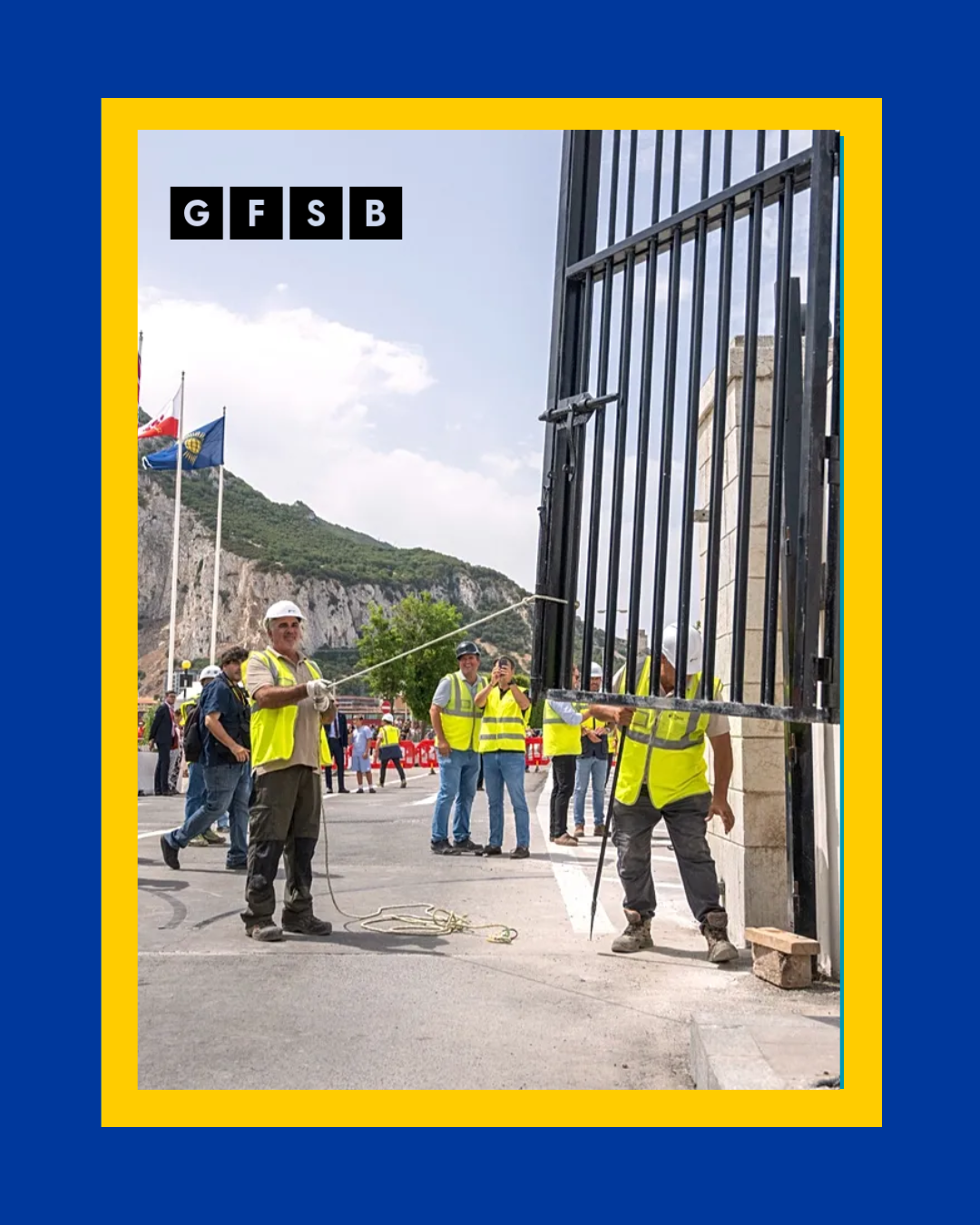
Over the past two years, I must have written more words about the Treaty than almost any other subject. Through the Thrive EDIT, I've tried to cut through the politics and focus on what really matters to Gibraltar's business community. We've unpacked customs guidance, explained residency proposals, questioned support measures, covered Government announcements, highlighted members' concerns and, where necessary, asked awkward questions on your behalf. The aim has always been the same: to make one of the biggest economic changes in Gibraltar's history feel just a little easier to understand.

At the GFSB, we believe membership should deliver real value. That means more than simply representing businesses around the table. It means creating opportunities to learn, connect and grow. Since September 2025, we've delivered 34 events attended by 1,329 members and guests, with the vast majority offered free of charge as part of GFSB membership. Whether you're looking to sharpen your skills, grow your network or stay ahead of the issues shaping Gibraltar's business landscape, our events are designed to make doing business that little bit easier.