

 Gibraltar Federation of Small Businesses


 Gibraltar Federation of Small Businesses

I see it all the time. A business pours energy into social media posts, flyers, maybe even a splashy event, and then wonders why the phone isn’t ringing. It’s easy to say the ‘marketing isn’t working’ than to go a little deeper into the reason why conversions aren’t up.
Very, very often, the issue isn’t the tactic. It’s the lack of a strategy.
In my work with businesses and organisations in Gibraltar and further afield, I’ve noticed a familiar pattern. Many teams leap straight into activity. New year, new flyers. Social posts queued. Events mapped out. There’s a rush to be visible. But when you ask what all of that activity is working towards, the answers are often fuzzy.
We know what we’re doing, but not always why we’re doing it.
The difference a strategy makes
One local organisation I’ve worked closely with is a business network that had already built strong foundations. It was doing good work and had an active member base. But its communications weren’t quite landing. Posts felt inconsistent. Engagement was hit and miss. The messaging had heart but lacked focus.
A change in leadership brought with it reflection. Its leadership looked at what the organisation stood for, what it wanted to grow, and who it needed to reach. That reflection turned into a sharper strategy. Clearer messaging pillars. A tone that matched the energy of the people behind the brand. And a better rhythm across platforms.
A few months later, the change was visible. More engagement. More consistency. A stronger presence. But most importantly, the team behind it felt more confident in what they were saying, where they were saying it and why it was important.
That’s what strategy gives you. Clarity on direction and confidence on delivery.
Getting dressed with nowhere to go?
Last year, I had a conversation with a London-based company that had just finished a rebrand. The project itself was beautifully executed. The visuals were polished. The tone felt modern. The team had clearly invested time and money in getting it right.
But a few weeks after launch, things stalled. The website looked great, but nobody knew what to post next. The team kept asking each other how to “bring the brand to life,” but there was no answer. They’d spent the entire budget on the outfit and had no plan for where to wear it.
Getting dressed with nowhere to go is more common than you might think.
A rebrand is more than a look. It’s a shift in how a business shows up and speaks. If it’s not backed by a strategy for how, where and to whom you communicate, the momentum fades fast.
A strong strategy would have asked some vital questions at the start. Who are we trying to reach? What do we want them to understand or feel? How do we take this new identity and apply it in a way that builds trust and action? Without that plan, you’re left with surface-level change.
Why invest in strategy?
Closer to home, I worked with an established insurer in Gibraltar who had just undergone a business-wide transformation. The rebrand was part of a larger modernisation, and they understood early on that it wasn’t just a design challenge. It was about shifting perception, internally and externally.
We worked together to build a communications strategy that would help staff connect with the new brand first, before rolling it out more widely. We talked about tone. About the customers they wanted to attract and retain. About the balance between familiarity and change.
That reflection turned into action. Staff felt included. Customers saw consistency. And the investment in the brand was matched by an investment in how it would be communicated. It worked because the business gave itself time to think.
If you’re not sure, ask yourself this
Strategy doesn’t need to be overcomplicated. It just needs to be deliberate. If your team isn’t sure whether you have a strategy guiding your marketing and communications, try asking these questions:
Do we know what business goals our communications are supporting?
Can we explain who we’re speaking to and what we want them to do?
Do our channels feel joined up, or are we posting for the sake of it?
Have we agreed on a tone of voice, a message, or a point of view?
Are we measuring things that matter or just watching likes?
If the answers aren’t clear, it’s probably time to take a breath and sketch out a roadmap.
My five-step framework to get started
If you’re looking for structure, here’s a simple approach I often recommend to clients:
The time is now
A strategy isn’t a luxury and this period gives us a rare opportunity. If you find yourself rushing, carve some time. If you’ve set goals for the business, ask whether your communications have a plan to match. If not, start small by answering the five questions above as honestly as you can. Go on, what wait? I’ll end by quoting 90s electro legends Moloko… The Time is Now.
David Revagliatte is the founder of Motion, a communications and marketing agency specialising in strategy-led solutions for brands and organisations.


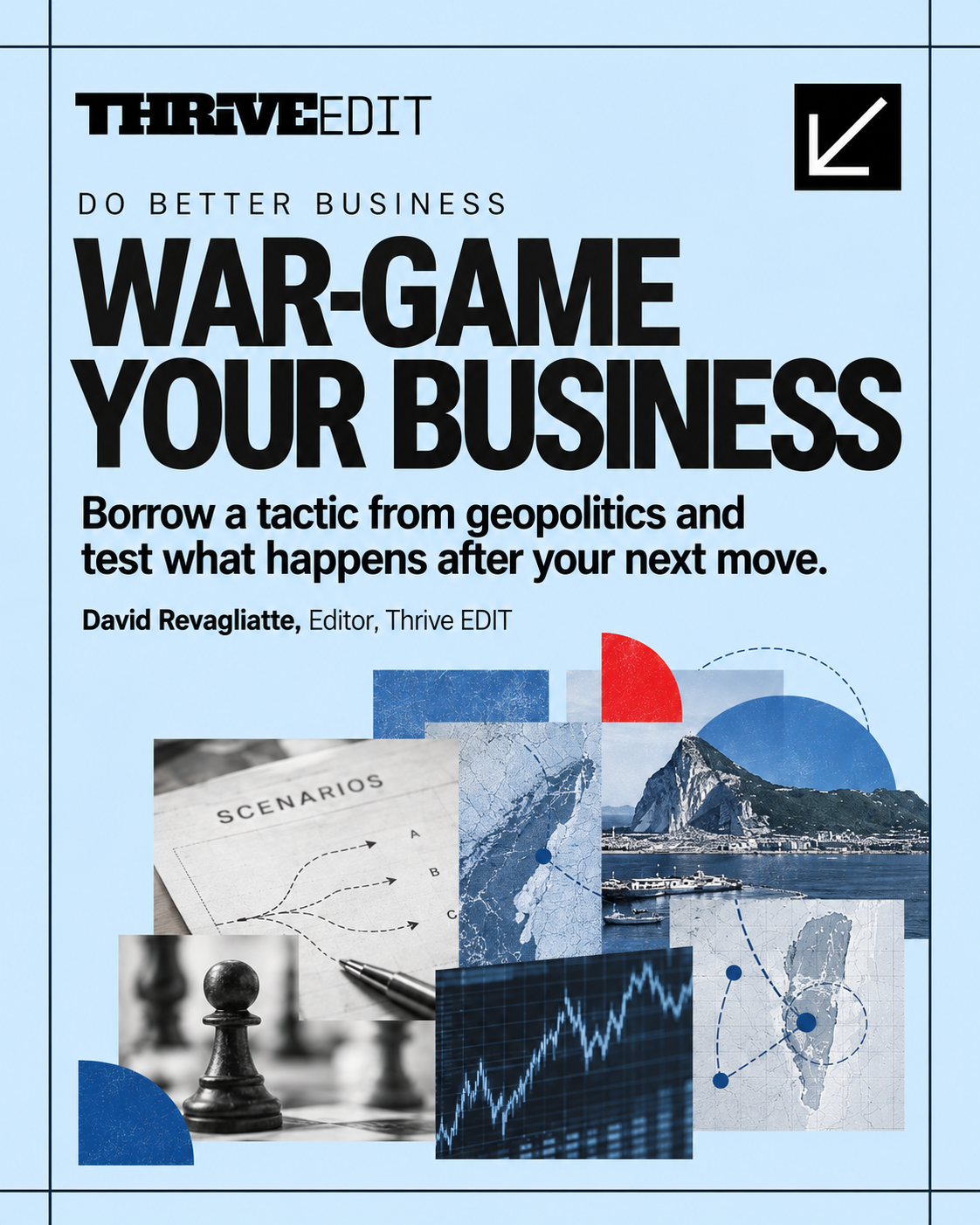

Governments and geopolitical strategists use simulations to test what might happen when other players react. The same thinking can help businesses challenge assumptions, anticipate competitors and prepare for decisions before real money is on the line.
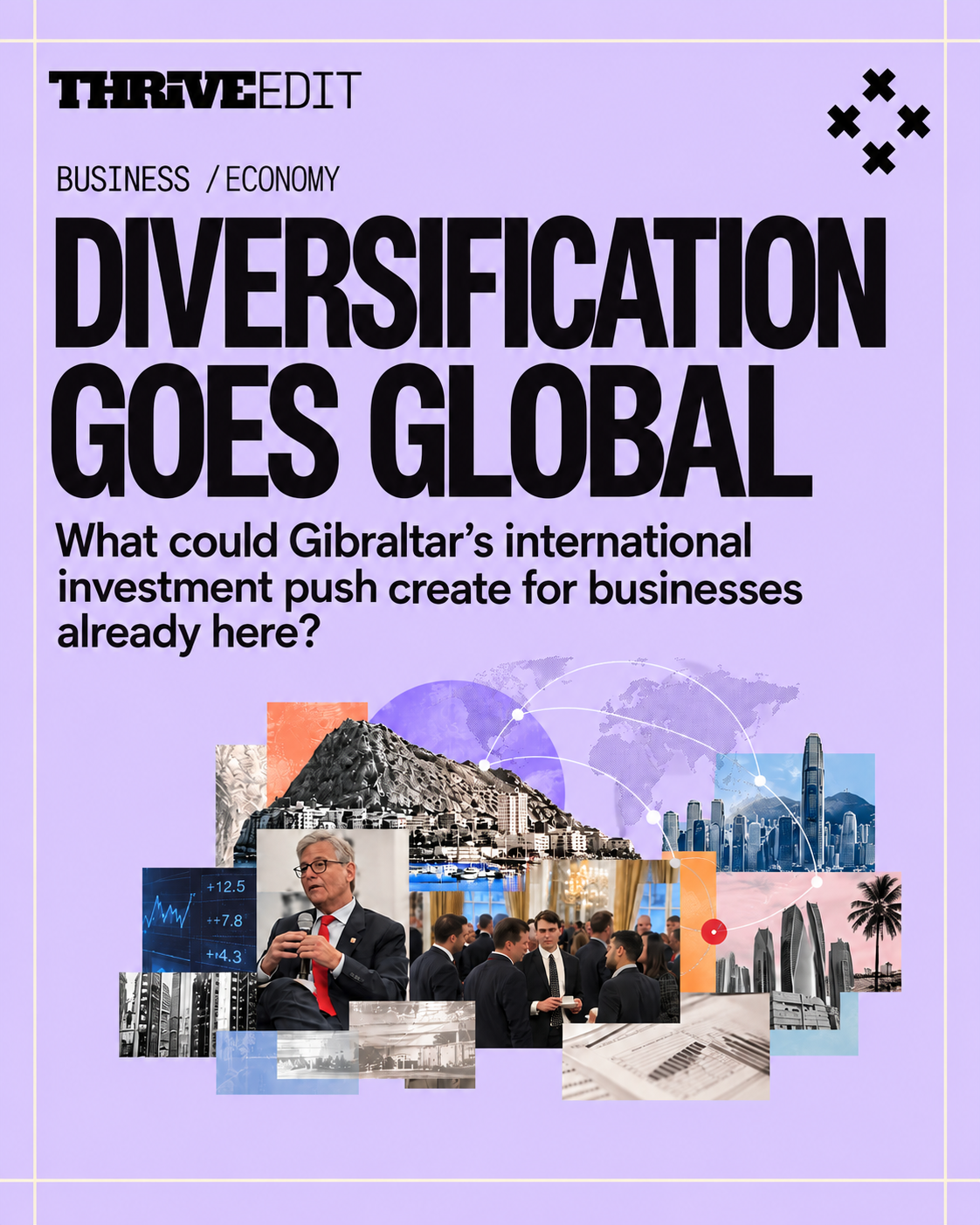
From Hong Kong to Abu Dhabi, Gibraltar is pursuing new industries and investors as part of a major economic diversification drive. Minister Nigel Feetham says the campaign is already generating business. The bigger question is how far those opportunities can spread through Gibraltar’s wider economy.
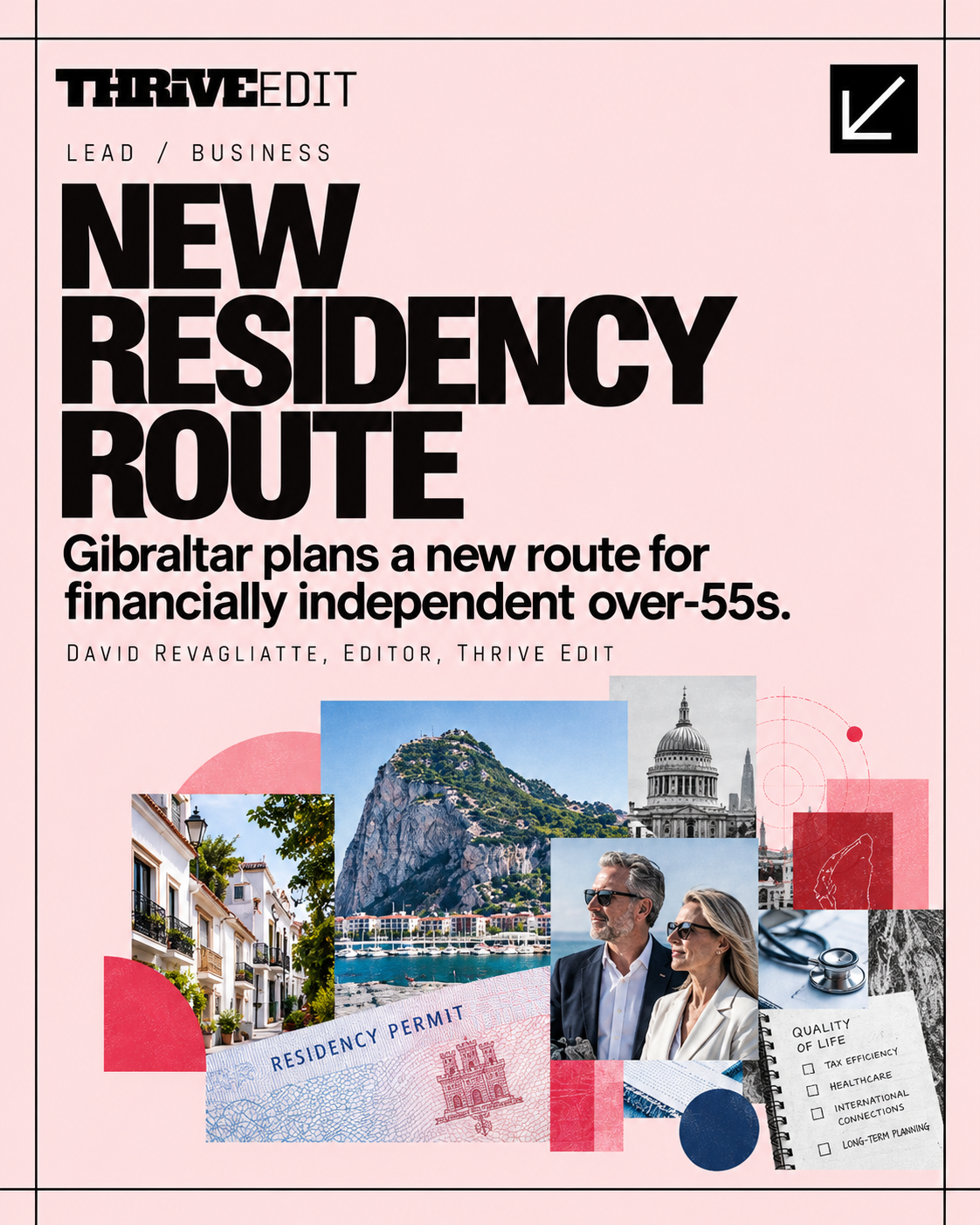
Gibraltar plans a new residency route for financially independent over-55s alongside a new business think tank announced at GibLink London.
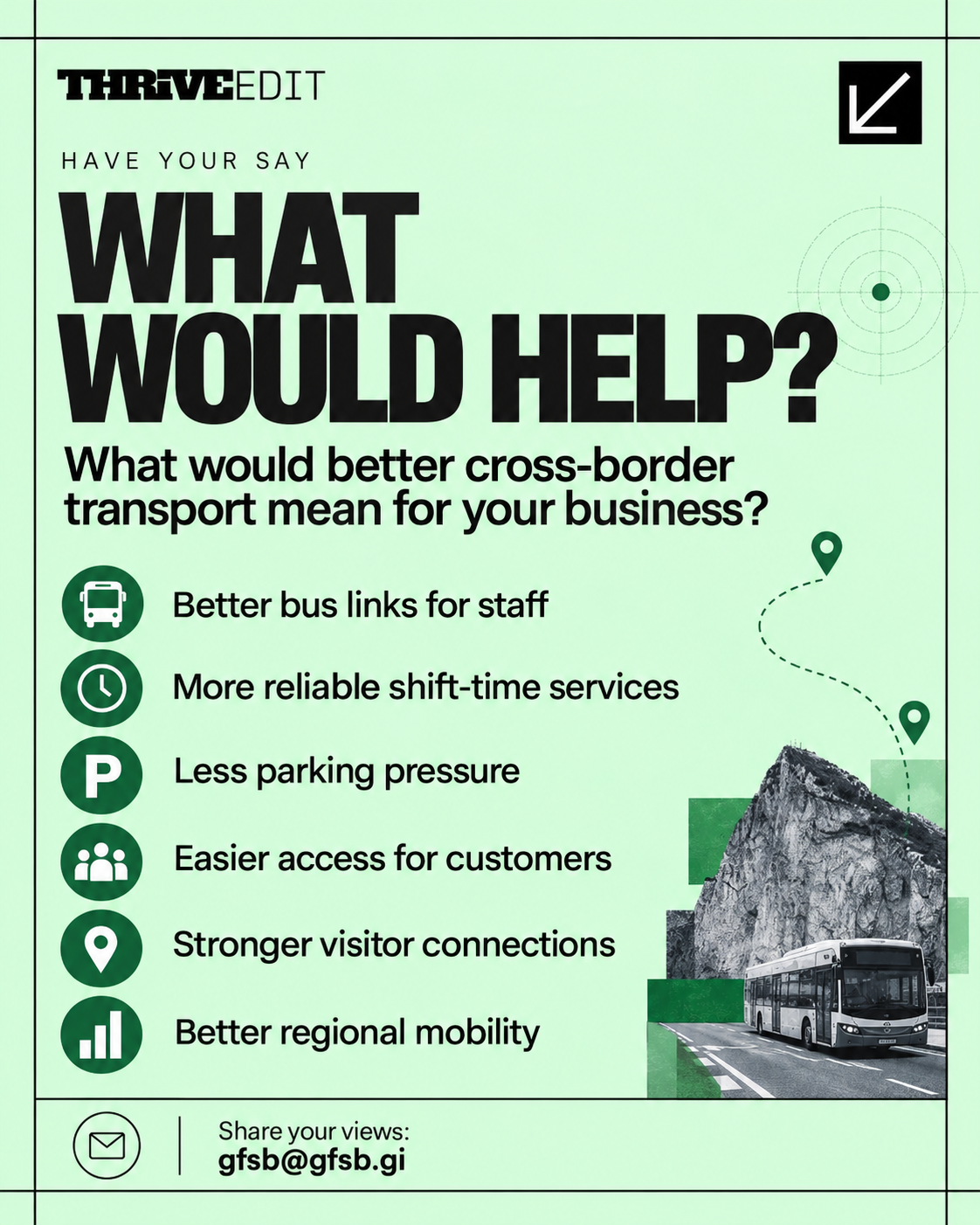
New frontier lanes and discussions around a cross-border transport interchange raise questions about buses, workers, visitors and business connectivity.
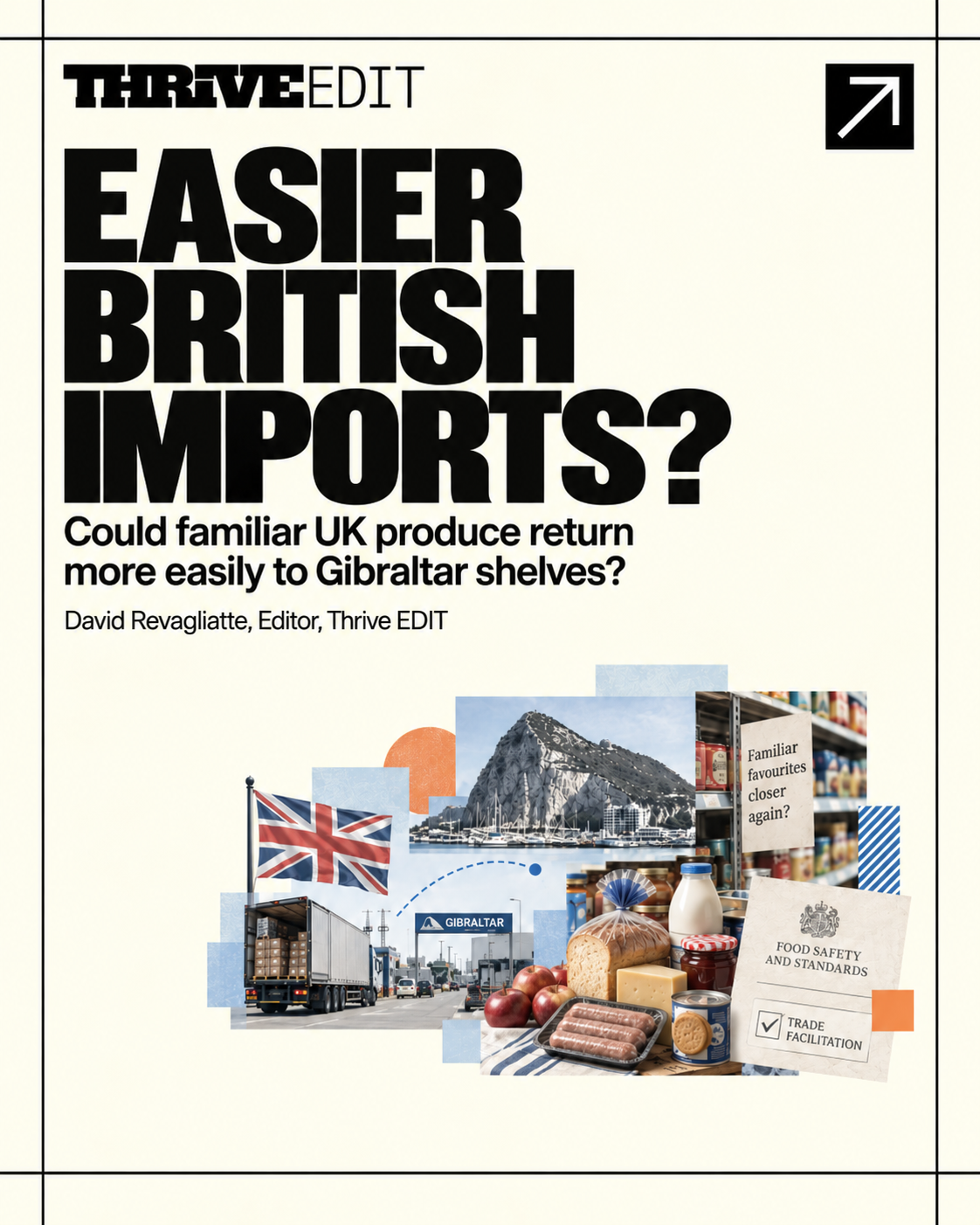
Could a future UK-EU food agreement make it easier for British produce to return to Gibraltar shelves? British produce has long been part of Gibraltar’s shopping experience; I wrote about it a couple of years ago, before we had a Treaty in place. From supermarket staples and fresh food to familiar household brands, we’ve spent […]