

 Gibraltar Federation of Small Businesses


 Gibraltar Federation of Small Businesses

The Gibraltar Government has announced the first phase of new rules for Personal Light Electric Transporters (PLETs), including e-scooters. The message is clear. Gibraltar will regulate, not ban, their use. Anyone who rides an e-scooter in Gibraltar, including people who commute daily from Spain, will need to comply.
The big picture: PLETs have become part of everyday travel. They reduce congestion, cut emissions and offer an affordable transport option. But public concern around dangerous riding and the lack of accountability has grown. The Government says these measures are the start of a wider programme to make PLET use safer and enforceable.
Speed checks are coming
A 25km/h speed limit already exists for PLETs. What changes now is how it will be enforced.
Bottom line: If your scooter is too fast, it will be taken off the road.
Mandatory registration for all PLETs
A new online registration system is being built and is expected to go live in March or April 2026.
Registration will be annual, cost £10 and require ID and proof of address. It applies to anyone riding a PLET on Gibraltar’s public roads, including Spanish-resident cross-border workers. A Government notice will also be issued in Spanish to help users understand the changes.
Registered users will receive a QR code sticker that must remain visible. Incorrect or missing registration will result in impoundment and fees. Stickers will be collected at the Customer Care Hub at 323 Main Street.
Insurance will follow
The Government is working with insurers to introduce mandatory third-party insurance for PLET users. While local market interest has been limited, officials say they are confident a viable product will be secured. Once available, insurance will become compulsory.
Why now?
Minister for Transport Dr John Cortes said PLETs reduce congestion and emissions but stressed the need for public safety and accountability. These first steps aim to control speed, introduce traceability, align PLET use with road traffic offences and allow firmer enforcement where PLETs are used dangerously.
What to do now





How can businesses tell whether workplace training actually works? Explore practical ways to connect learning, behaviour and measurable performance.
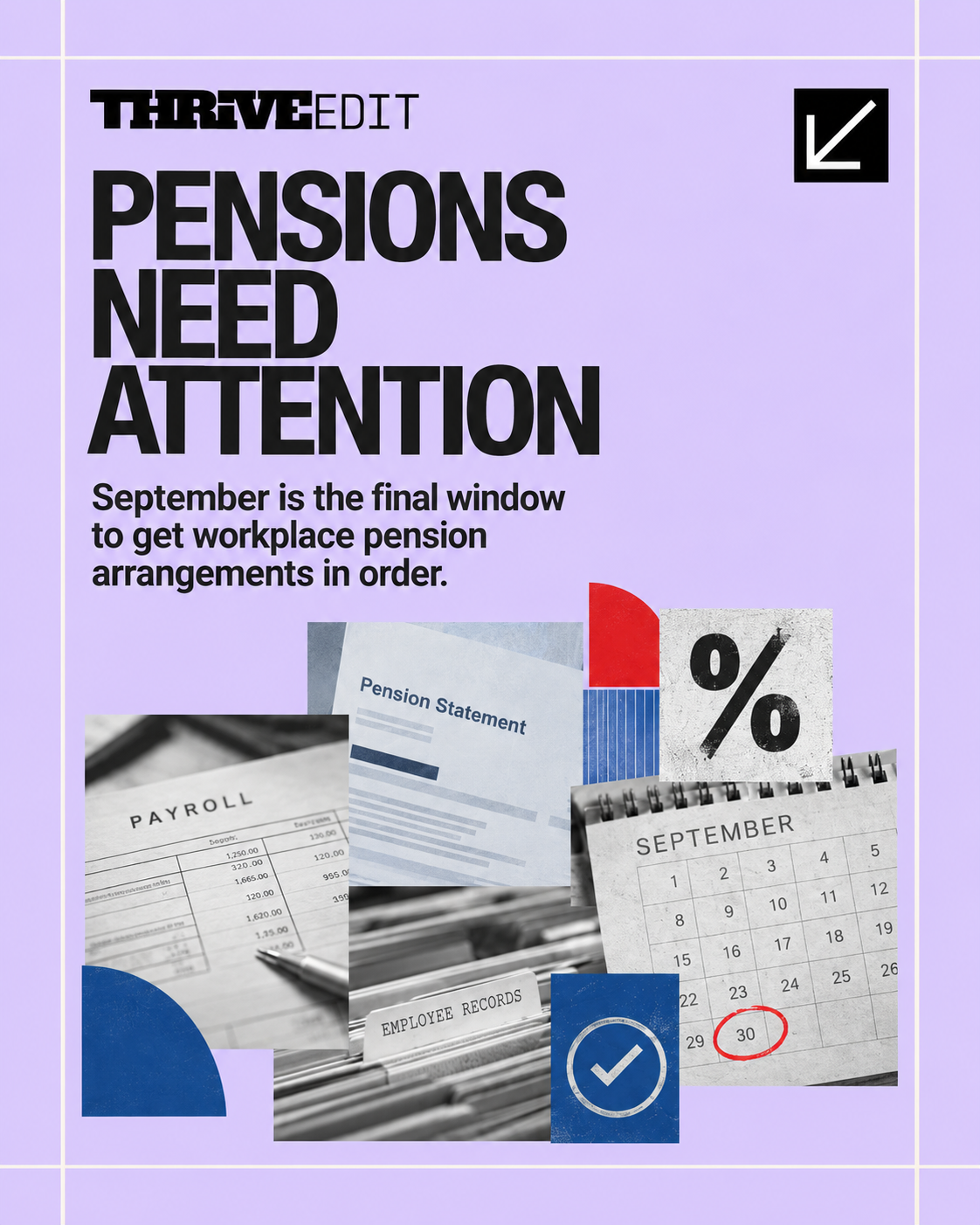
Employers with 15 to 50 staff are now inside the final workplace pension extension window. Check eligibility, contributions, opt-outs and compliance requirements.

Investment in automation, logistics, tourism and green technology across the Campo de Gibraltar is reshaping the regional skills base. Here’s what Gibraltar employers should watch.

Imported goods around the Treaty changeover? It is worth going back through July’s paperwork. HM Customs has introduced a refund process for qualifying consignments that had already started their journey to Gibraltar before 15 July but were cleared afterwards.

Clocked out in August? Good for you. Thrive EDIT Editor David Revagliatte rounds up the Gibraltar business stories worth clocking back into. August is supposed to be the month when Gibraltar collectively eases off the accelerator. Judging by the news cycle, nobody told 2026. The first full month of life under the new Treaty arrangements brought a mixture of early optimism and very real teething problems for businesses. New employment rules landed, a pensions deadline crept closer, one of Gibraltar's most important airlines changed hands and a major local bank announced job cuts.