
 Gibraltar Federation of Small Businesses


 Gibraltar Federation of Small Businesses

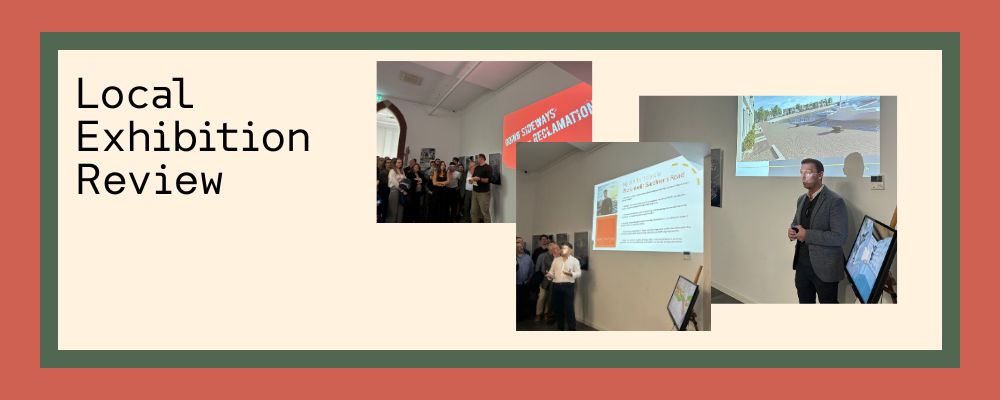
If, like me, you have ever walked through our ever-changing Gibraltar and wondered what could have been had different choices been made, Unbuilt Gibraltar 2025 offers a rare chance to see those alternate futures up close. The exhibition, now open at the Growing Artists Hub in Irish Town, brings together unrealised projects from the 1960s to the present day, capturing a Gibraltar shaped by ideas that never made it past the drawing board. It is a fascinating reminder that the city we know today is only one version of what could have been.
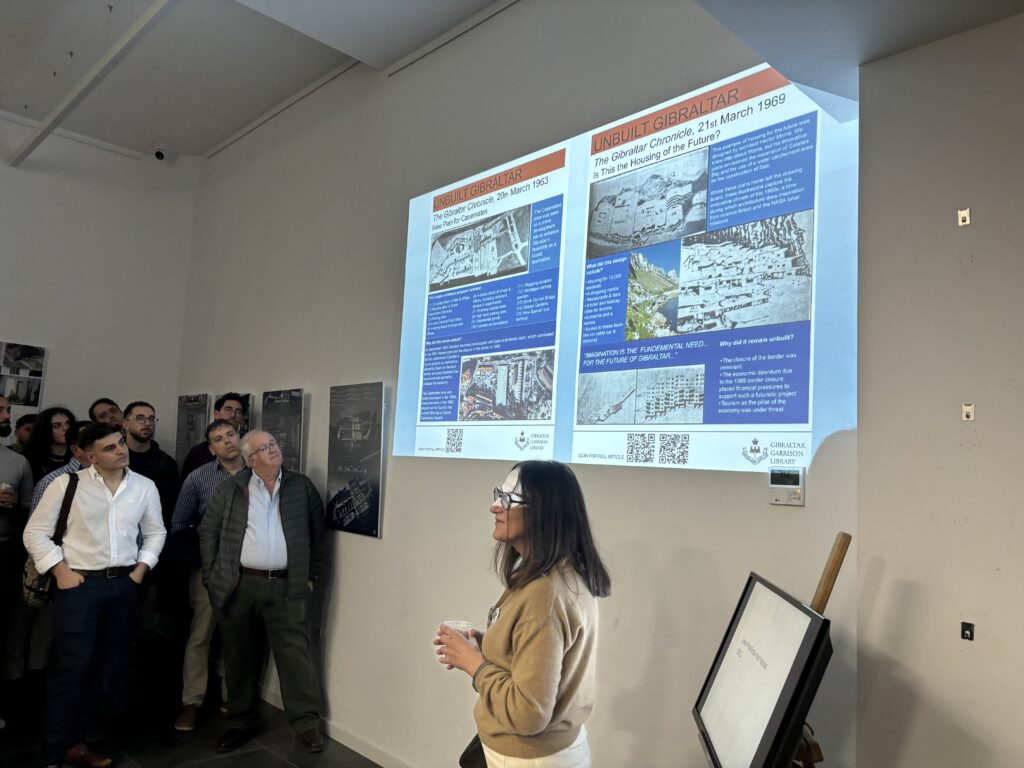
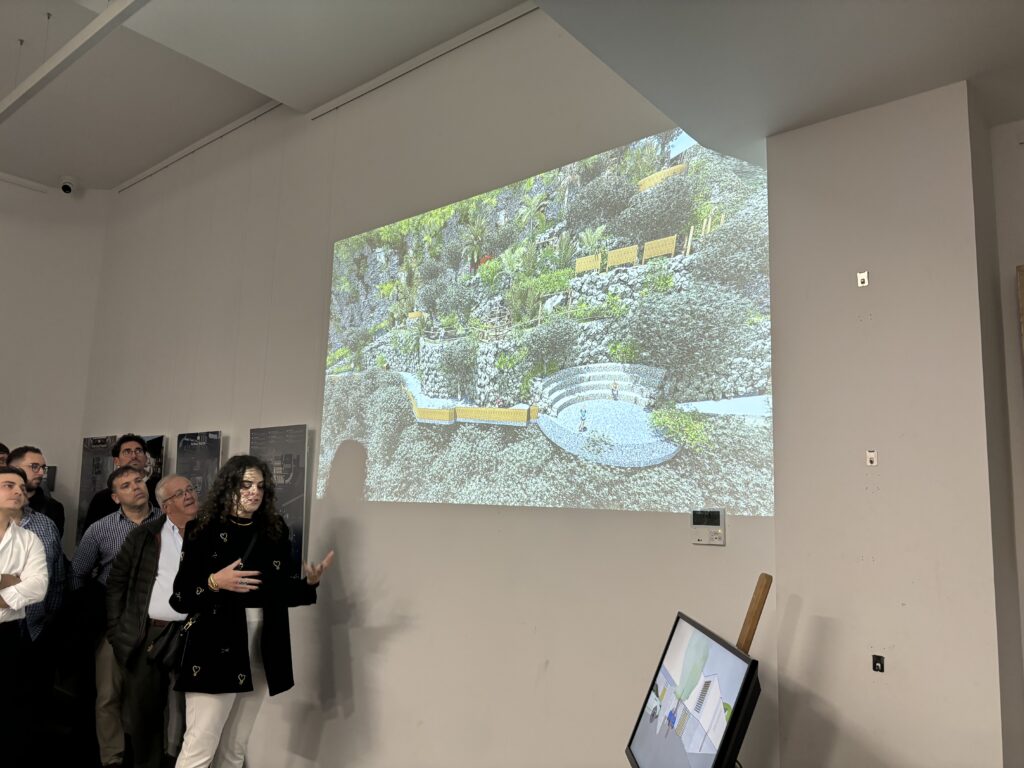
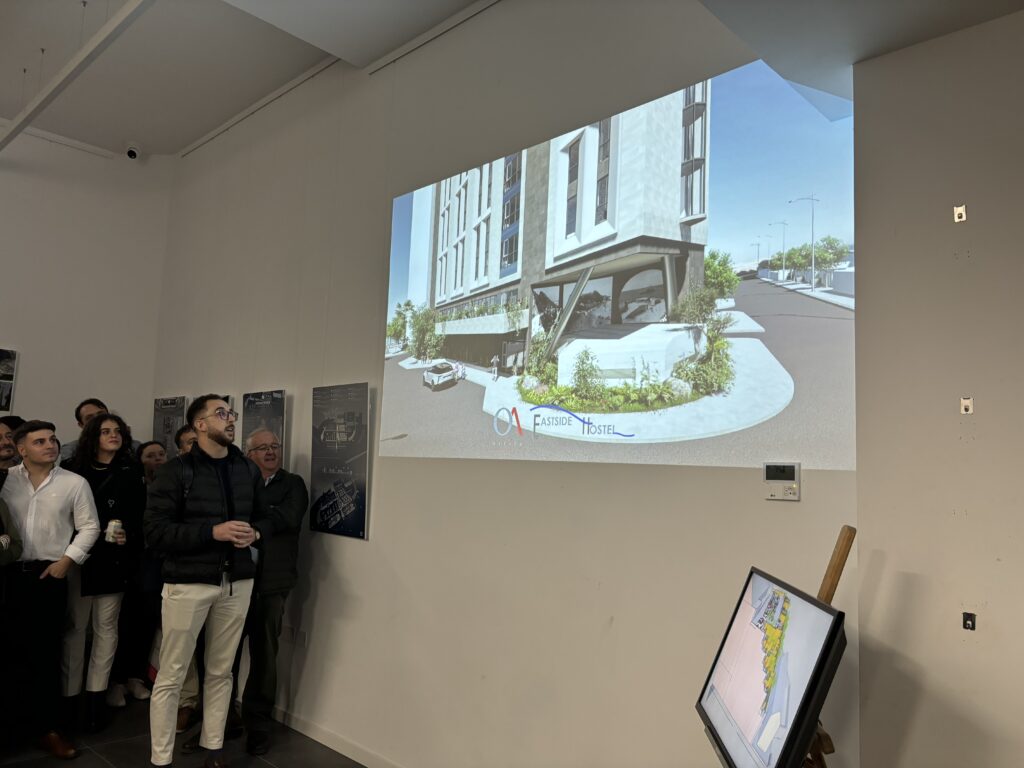
Unlike a standard architectural showcase, this event is grounded in lived experience. Many of the contributors stood beside their work to explain how these designs emerged, why some were abandoned, and how Gibraltar’s evolving planning environment shaped their fate. Hearing first-hand accounts from architects, historians and archivists gave the exhibition a weight and depth that can only come from those who were part of the story.
Breadth of possibilities
What sets this exhibition apart is its breadth. Some of the pieces reveal bold retail and hospitality schemes that never materialised, while others imagine alternative approaches to housing, public space, reclaimed land and urban identity. Each proposal sits within its historical moment, capturing how optimism, economic pressures or planning constraints shaped decisions.
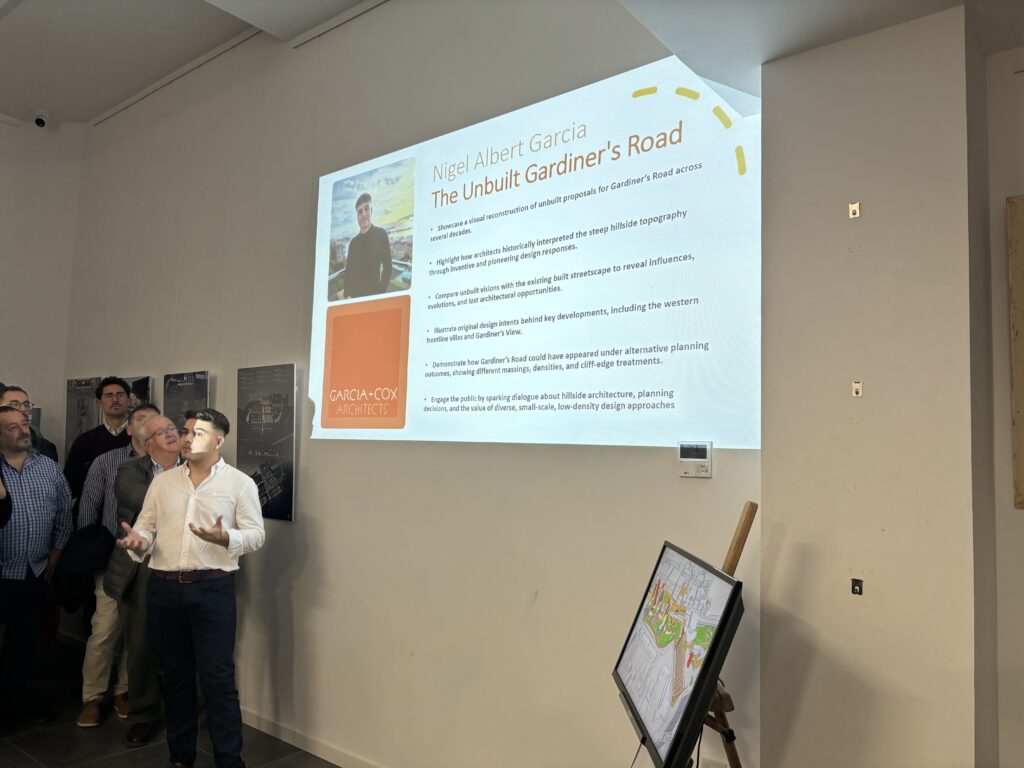
Nigel-Albert Garcia from Garcia-Cox Architects and the exhibition’s co-organiser and contributor, described the exhibition as a chance to understand how unbuilt ideas continue to influence the Gibraltar we inhabit. Reflecting on his own contribution, “The Unbuilt Gardiner’s Road”, he explained how his research evolved into “a detailed comparative study showing how design approaches, planning expectations, and architectural ambitions… shifted over the decades”. The project, he said, helps visitors “visualise an alternative version of the neighbourhood, and understand how unbuilt ideas can still influence what eventually gets constructed.”
As Garcia put it, “Unbuilt Gibraltar lets us glimpse the city that could have been, and is a reminder that even unbuilt ideas shape the architecture we live with today.”
A familiar-ish view of home
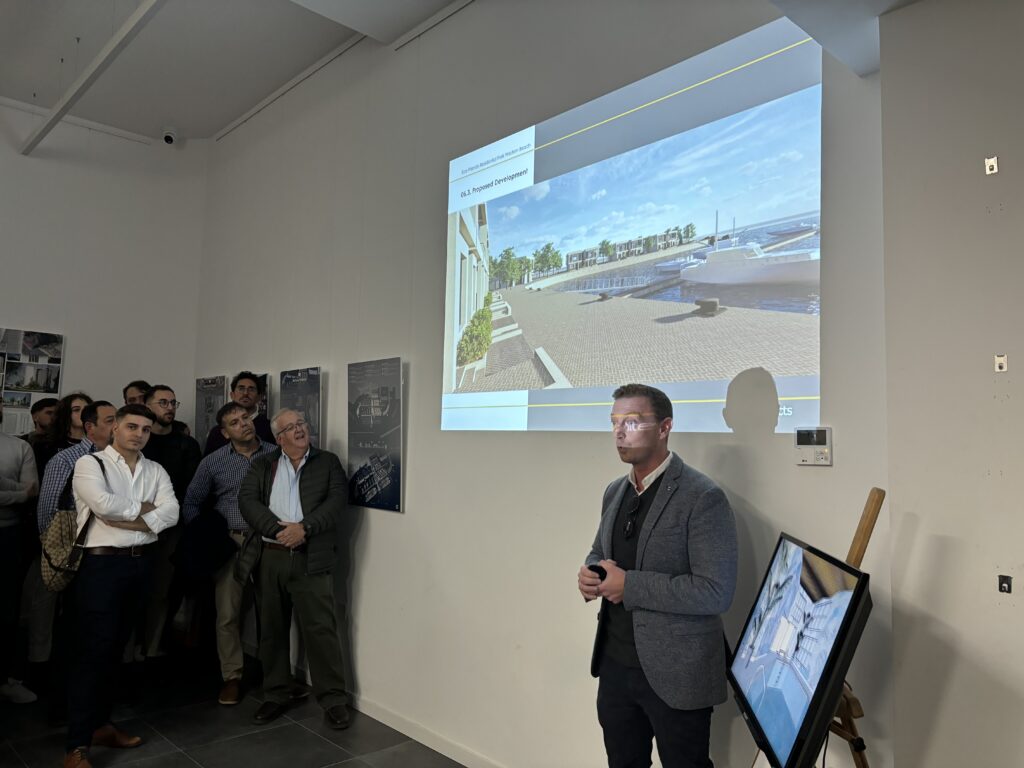
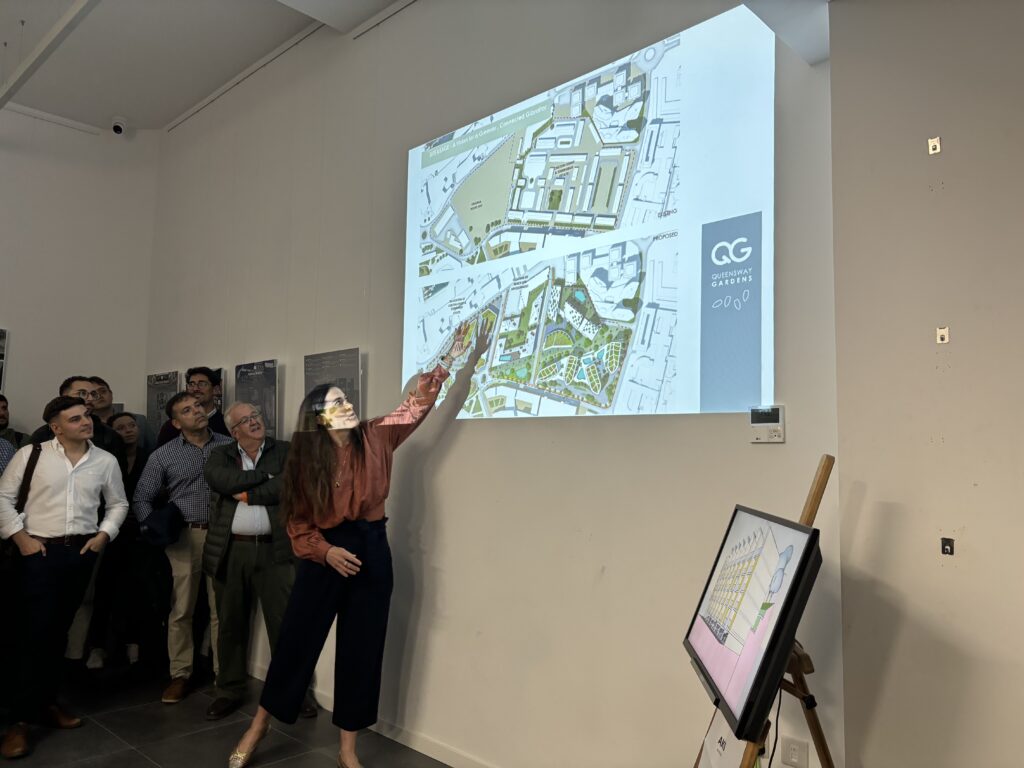
One of the most striking reflections of the evening came from Christian Revagliatte of GCArchitects, whose practice has shaped many of Gibraltar’s major modern developments. GCArchitects showcased two projects: a sustainable residential concept on reclaimed land off Western Beach, and a regeneration study of streets and public spaces between Regal House and Corral Road.
Revagliatte explained that revisiting these projects offered a chance to see how the practice’s thinking has evolved. “Reflecting on those earlier decisions naturally led to comparisons with how we might tackle the same challenges today,” he said. He added that looking back in this way is invaluable: “It helps us recognise the strengths of previous solutions, understand how our practice has matured, and apply those insights to deliver more thoughtful, innovative, and responsive designs in the future.”
His comments reflected a theme that ran throughout the event: Gibraltar’s development has never been linear. From expanding up the Rock in the 1960s to reclaiming land in later decades, each period carried its own vision of progress. Some ideas were built, others shelved, others re-emerge today in new forms.
Why this exhibition matters now more than ever
Gibraltar stands at a pivotal moment. With major decisions on mobility, land use, housing, and post-treaty economic strategy ahead, Unbuilt Gibraltar offers more than nostalgia. It asks us to reflect on how earlier choices narrowed or expanded our possibilities, and how today’s decisions will define the next generation’s experience of the city.
The exhibition also underscores how much creativity lies behind the Gibraltar we know. Behind every building, every curved street and every reclaimed shoreline is a portfolio of alternatives. Seeing them side by side is a reminder that our built environment is always shaped by both ambition and restraint.
Please go and see it!
Whether, like me, you are interested in architecture, planning, heritage or simply curious about how Gibraltar might have looked, this exhibition is worth your time. It is engaging, visually rich, packed full of talent and thought provoking. More importantly, it invites visitors to reflect on where Gibraltar is heading at a time when future development choices are more relevant than ever.
This is a rare opportunity to see things through a different lens and to explore the “what ifs” that continue to echo through our planning debates today.
Open until Wednesday 26 November 2025, Art Space Gallery, Irish Town
Exhibitors: Gamma Architects, GCA Architects, Montagu Group, AKS, Mel Martinez, Garcia + Cox Architects, Orfila Architects, Arc Designs, WSRM Architects, the Gibraltar Garrison Library, the Gibraltar Heritage Trust, and the Planners.
Sponsors and organisers: Garcia + Cox Architects, Gamma Architects, La Posi Ronald, and OTWO Magazine.




How can businesses tell whether workplace training actually works? Explore practical ways to connect learning, behaviour and measurable performance.
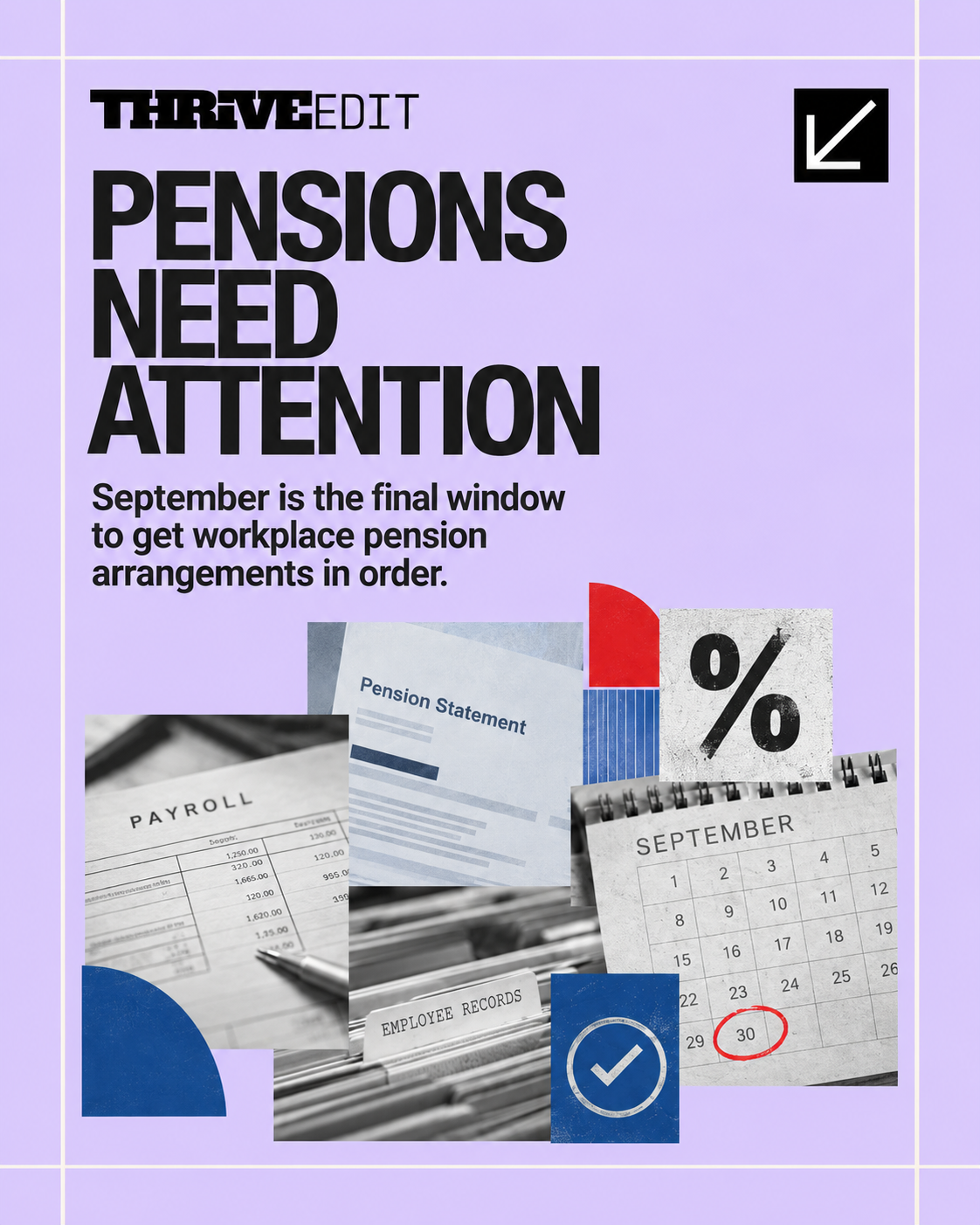
Employers with 15 to 50 staff are now inside the final workplace pension extension window. Check eligibility, contributions, opt-outs and compliance requirements.
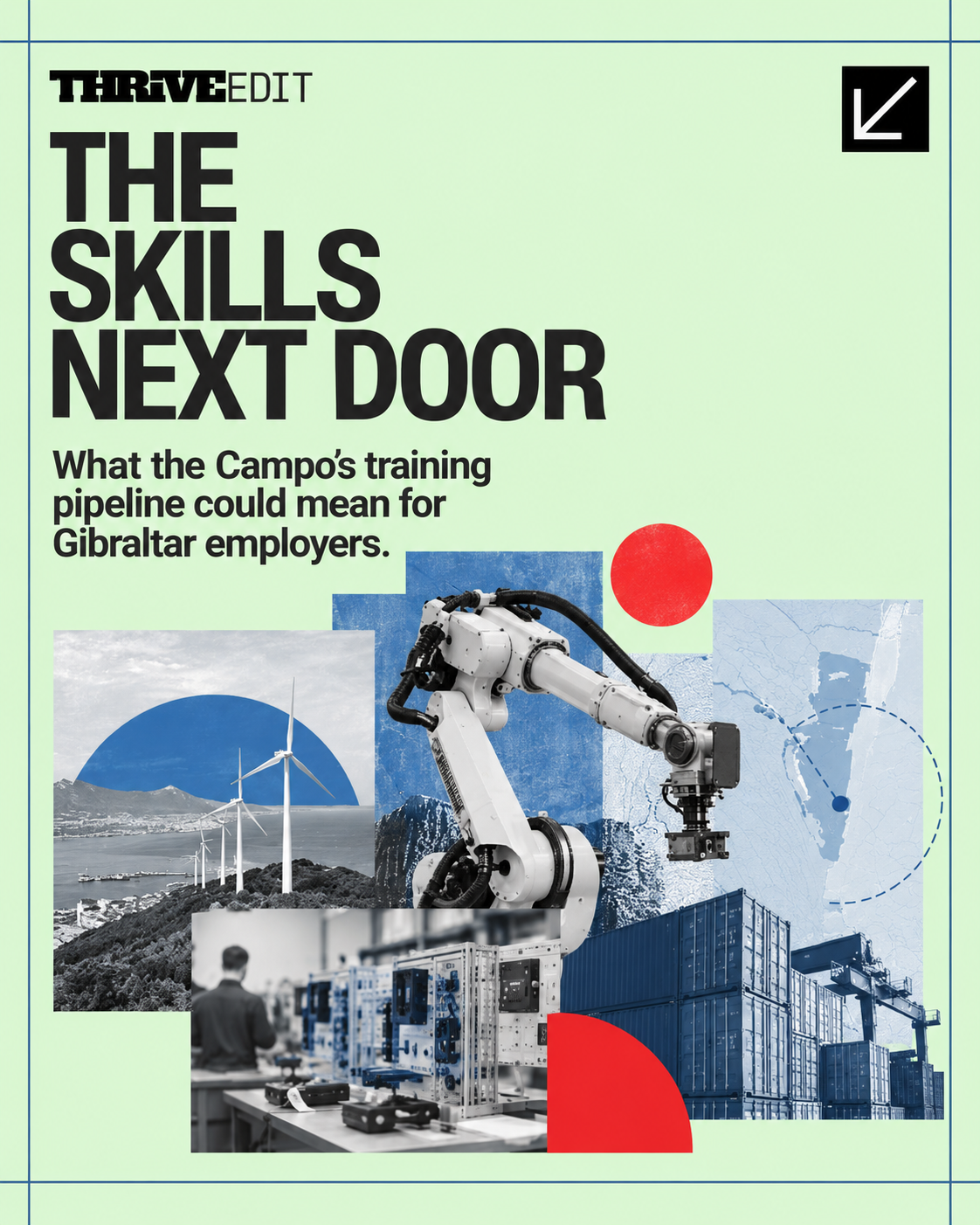
Investment in automation, logistics, tourism and green technology across the Campo de Gibraltar is reshaping the regional skills base. Here’s what Gibraltar employers should watch.

Imported goods around the Treaty changeover? It is worth going back through July’s paperwork. HM Customs has introduced a refund process for qualifying consignments that had already started their journey to Gibraltar before 15 July but were cleared afterwards.
Clocked out in August? Good for you. Thrive EDIT Editor David Revagliatte rounds up the Gibraltar business stories worth clocking back into. August is supposed to be the month when Gibraltar collectively eases off the accelerator. Judging by the news cycle, nobody told 2026. The first full month of life under the new Treaty arrangements brought a mixture of early optimism and very real teething problems for businesses. New employment rules landed, a pensions deadline crept closer, one of Gibraltar's most important airlines changed hands and a major local bank announced job cuts.