

 Gibraltar Federation of Small Businesses


 Gibraltar Federation of Small Businesses

The European Union has begun the rollout of its new Entry/Exit System (EES), a digital border control scheme that replaces passport stamping with biometric checks for non-EU citizens entering or leaving the Schengen area. The system, described by the European Commission as the “digital backbone” of the EU’s new migration and border policy, will take around six months to be fully operational across participating countries.
What happened:
Spain has started testing the system at Madrid Airport before expanding it to other locations. Major airports and ports in Italy and Germany have also begun gradual implementation. The EES is designed to identify visa overstayers, reduce identity fraud and modernise border management by recording the fingerprints and photographs of travellers from outside the EU.
Once fully in place, all travellers from third countries, including the UK, will need to register biometric data when first entering the Schengen zone. Future crossings will only require electronic verification rather than manual passport stamps.
Why it matters:
According to the Gibraltar Government, the Spanish authorities will not apply the EES at the Gibraltar–Spain border. This exemption aligns with the objectives of the ongoing treaty negotiations, which aim to maintain a fluid border for residents, workers and businesses. The Government has reaffirmed that the system “will not be applied now or at any point in the future” at Gibraltar’s land frontier.
However, Gibraltarians and Gibraltar residents travelling elsewhere in Europe should be aware of the system’s wider rollout. For example, it will likely apply at Malaga Airport for flights from non-EU destinations such as London.
Business impact:
For companies that operate in and out of the EU, the EES represents a significant change in how goods and people move across borders.
Between the lines:
The Gibraltar Government has issued a technical notice advising travellers to check whether EES is in use at their destination and to allow extra time at borders while systems are being tested. It confirmed that under the treaty framework being finalised, legal residents of Gibraltar will remain exempt from EES registration.
What’s next:
The EU expects the Entry/Exit System to be fully operational by April 2026. While the frontier between Gibraltar and Spain remains unchanged, the wider European rollout marks a major shift in how borders are managed. For Gibraltar’s business community, awareness and preparation will be key as Europe adjusts to a more digital border regime.




For many SMEs, the success of the business has been built on the expertise, relationships and commitment of its owner. This entrepreneurial approach has been instrumental in the growth of many of Gibraltar's successful businesses. However, as organisations develop, dependence on a single individual can become a strategic risk.
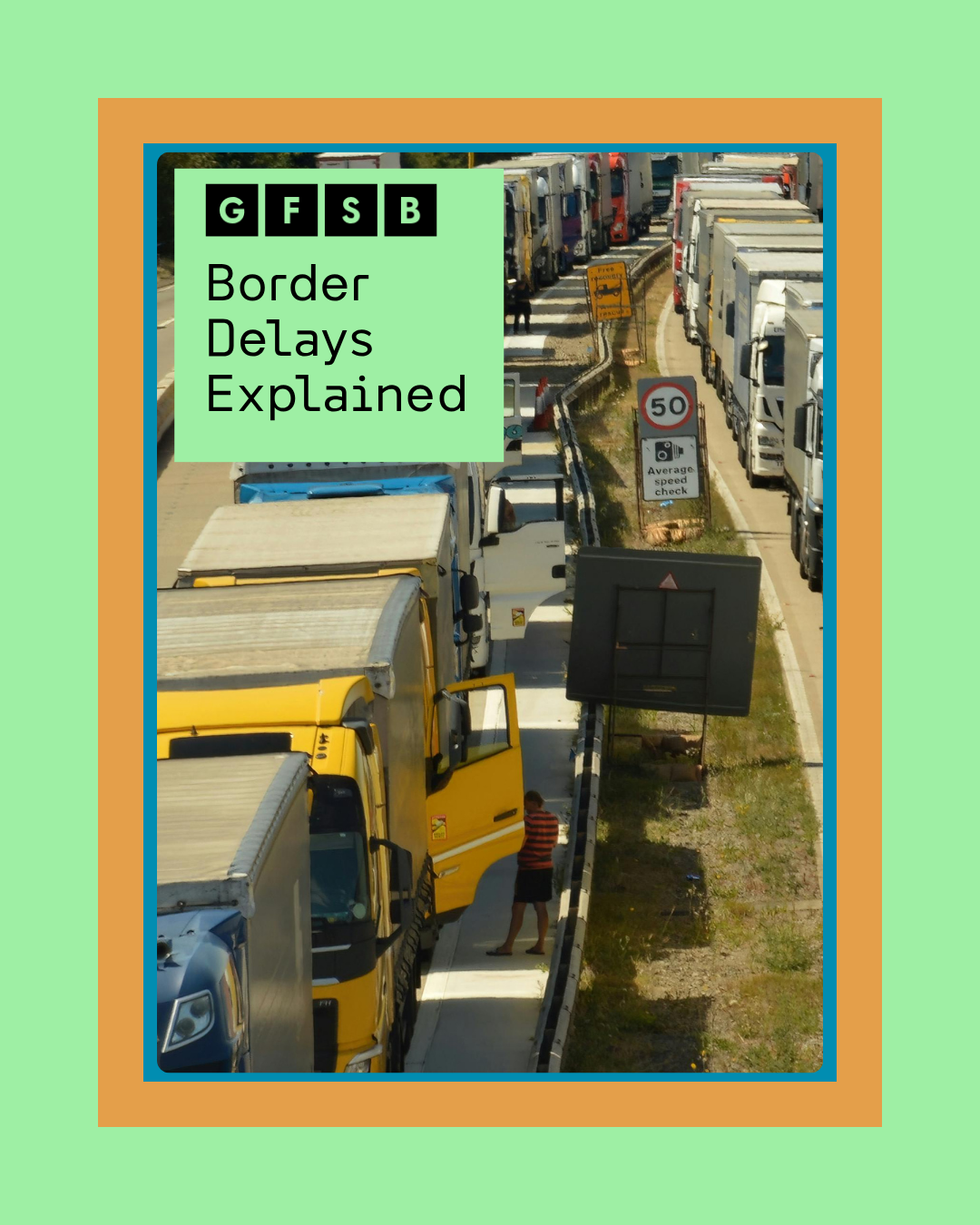
Imports including medicines, fresh produce and other commercial goods faced significant delays as businesses and Customs adjusted to the Treaty’s new frontier procedures, with some freight reportedly held since the arrangements began on 15 July. The disruption is the clearest early warning that documentation errors and unfamiliar processes can quickly affect stock availability, perishable goods and operating costs across Gibraltar’s retail and wholesale sectors.

For many, summer offers something that's in short supply during the rest of the year: space. Space to learn, think differently, meet new people and recharge before the final push towards year-end. If you're looking to make the most of the season, here are three ways to return in September with fresh ideas, renewed energy and a few new connections.

Over the past two years, I must have written more words about the Treaty than almost any other subject. Through the Thrive EDIT, I've tried to cut through the politics and focus on what really matters to Gibraltar's business community. We've unpacked customs guidance, explained residency proposals, questioned support measures, covered Government announcements, highlighted members' concerns and, where necessary, asked awkward questions on your behalf. The aim has always been the same: to make one of the biggest economic changes in Gibraltar's history feel just a little easier to understand.

At the GFSB, we believe membership should deliver real value. That means more than simply representing businesses around the table. It means creating opportunities to learn, connect and grow. Since September 2025, we've delivered 34 events attended by 1,329 members and guests, with the vast majority offered free of charge as part of GFSB membership. Whether you're looking to sharpen your skills, grow your network or stay ahead of the issues shaping Gibraltar's business landscape, our events are designed to make doing business that little bit easier.