

 Gibraltar Federation of Small Businesses


 Gibraltar Federation of Small Businesses

With a return to surplus and no major tax hikes, the CM has presented a Budget that he says is focused on long-term stability. But Treaty-linked changes and rising wage costs mean businesses should stay alert.
Key Takeaways
Business-Focused Measures
Transaction Tax: Phased Introduction
The proposed Transaction Tax is set to replace VAT-style charges. It will roll out in three phases:
Exemptions and reduced rates include:
Electricity will remain 0% rated, helping to contain business costs.
Customs and Tariffs Reform
A full overhaul of Gibraltar’s Imports and Exports Act is on the way to align with EU norms. These changes will be made locally, not dictated by the Treaty.
Business Support
Other Budget Updates
Immigration and Residency Reform
A new working group will review residency for third-country nationals.
What This Means for Business
What’s Next?
The GFSB will continue to track these developments, share updates, and support members as more detail emerges on the Transaction Tax and rate reliefs.
What’s your take on the Budget? Join the discussion on the GFSB Glue Up community page.


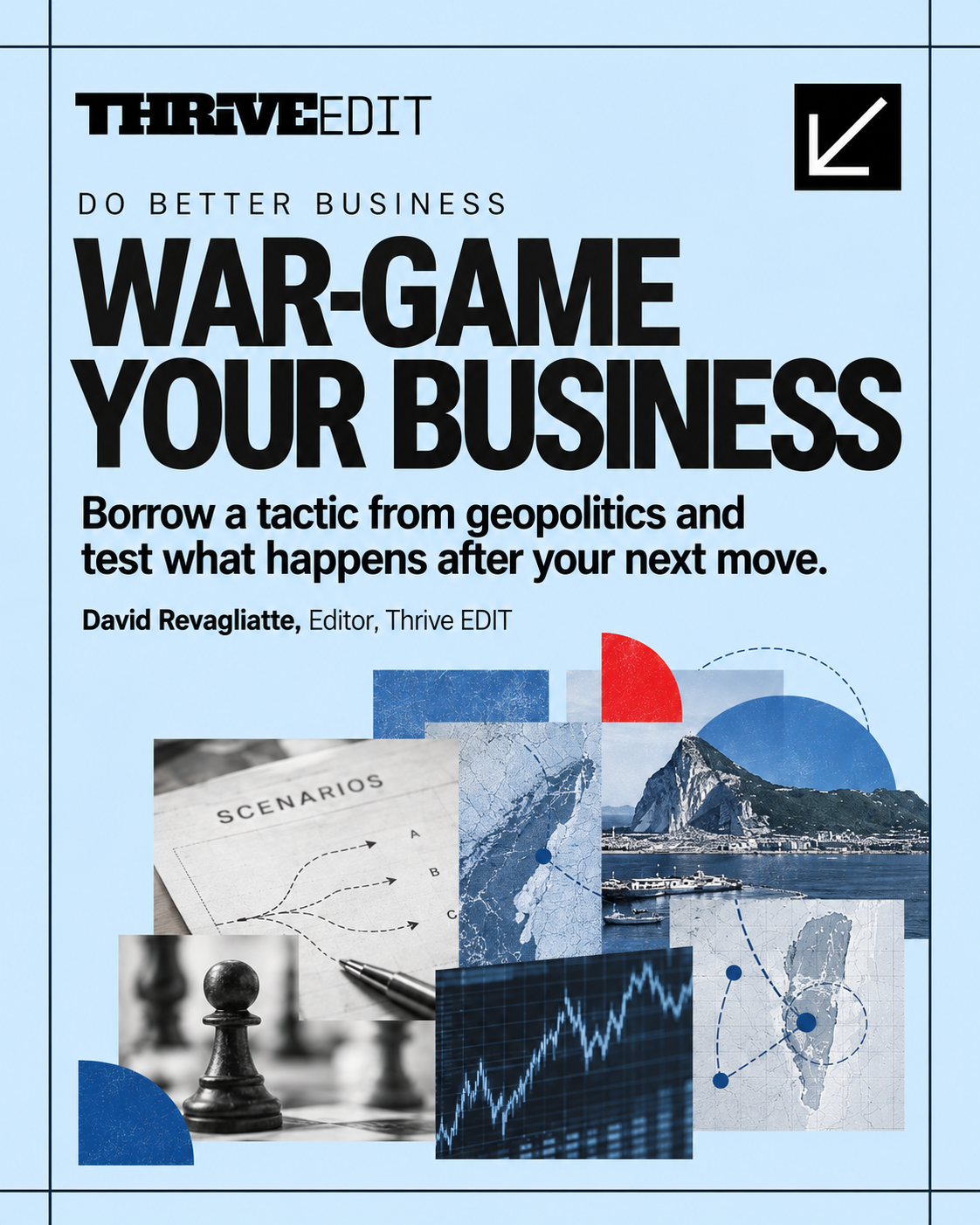

Governments and geopolitical strategists use simulations to test what might happen when other players react. The same thinking can help businesses challenge assumptions, anticipate competitors and prepare for decisions before real money is on the line.

From Hong Kong to Abu Dhabi, Gibraltar is pursuing new industries and investors as part of a major economic diversification drive. Minister Nigel Feetham says the campaign is already generating business. The bigger question is how far those opportunities can spread through Gibraltar’s wider economy.

Gibraltar plans a new residency route for financially independent over-55s alongside a new business think tank announced at GibLink London.

New frontier lanes and discussions around a cross-border transport interchange raise questions about buses, workers, visitors and business connectivity.
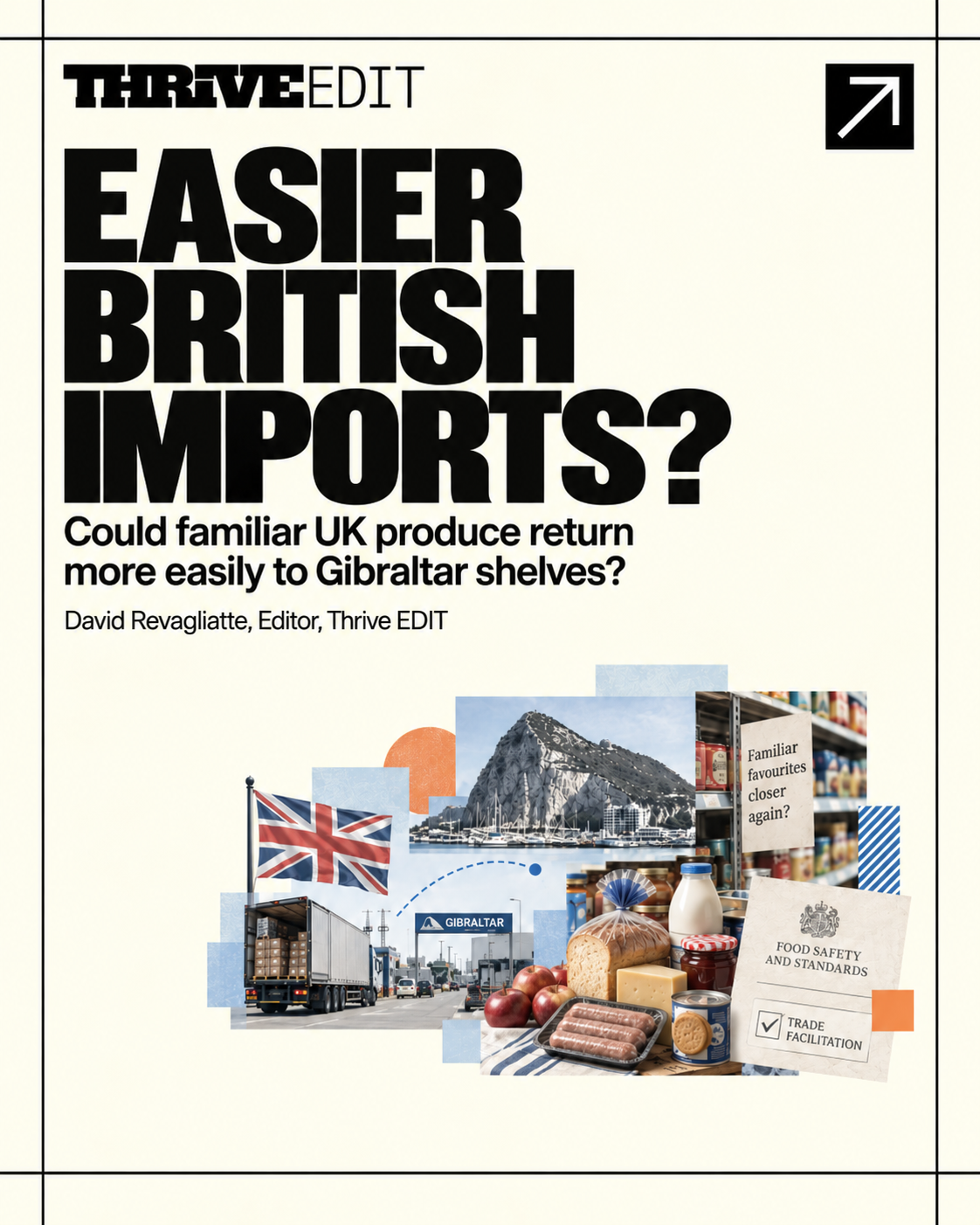
Could a future UK-EU food agreement make it easier for British produce to return to Gibraltar shelves? British produce has long been part of Gibraltar’s shopping experience; I wrote about it a couple of years ago, before we had a Treaty in place. From supermarket staples and fresh food to familiar household brands, we’ve spent […]