

 Gibraltar Federation of Small Businesses


 Gibraltar Federation of Small Businesses

The European Commission has now proposed a phased rollout of its digital Entry/Exit System (EES) for non-EU nationals entering the Schengen zone. Originally planned for November 2024*, the start date has been delayed further due to readiness concerns. The new system, along with the European Travel Information and Authorisation System (ETIAS) set for 2025, introduces tighter border controls that could have wide implications on both sides of the border.
Why does this matter?
If you’re a Gib-based business, this change could impact workforce mobility, cross-border trade, and tourism:
With no actual clarity on the EES start date, we’re again faced with more uncertainty, especially as treaty negotiations remain unresolved.
What has been said?
What are the potential impacts?
What’s next?
As treaty negotiations continue, we suggest you prepare for potential changes:
Join the conversation
The GFSB encourages members to share their concerns and experiences. Stay connected with updates on our member platform and engage in discussions to navigate this evolving situation together.
* The EES was actually initially due to start operating in 2022. It was then postponed until May 2023, then until the end of 2023 and finally, until 10 November




Governments and geopolitical strategists use simulations to test what might happen when other players react. The same thinking can help businesses challenge assumptions, anticipate competitors and prepare for decisions before real money is on the line.

From Hong Kong to Abu Dhabi, Gibraltar is pursuing new industries and investors as part of a major economic diversification drive. Minister Nigel Feetham says the campaign is already generating business. The bigger question is how far those opportunities can spread through Gibraltar’s wider economy.

Gibraltar plans a new residency route for financially independent over-55s alongside a new business think tank announced at GibLink London.
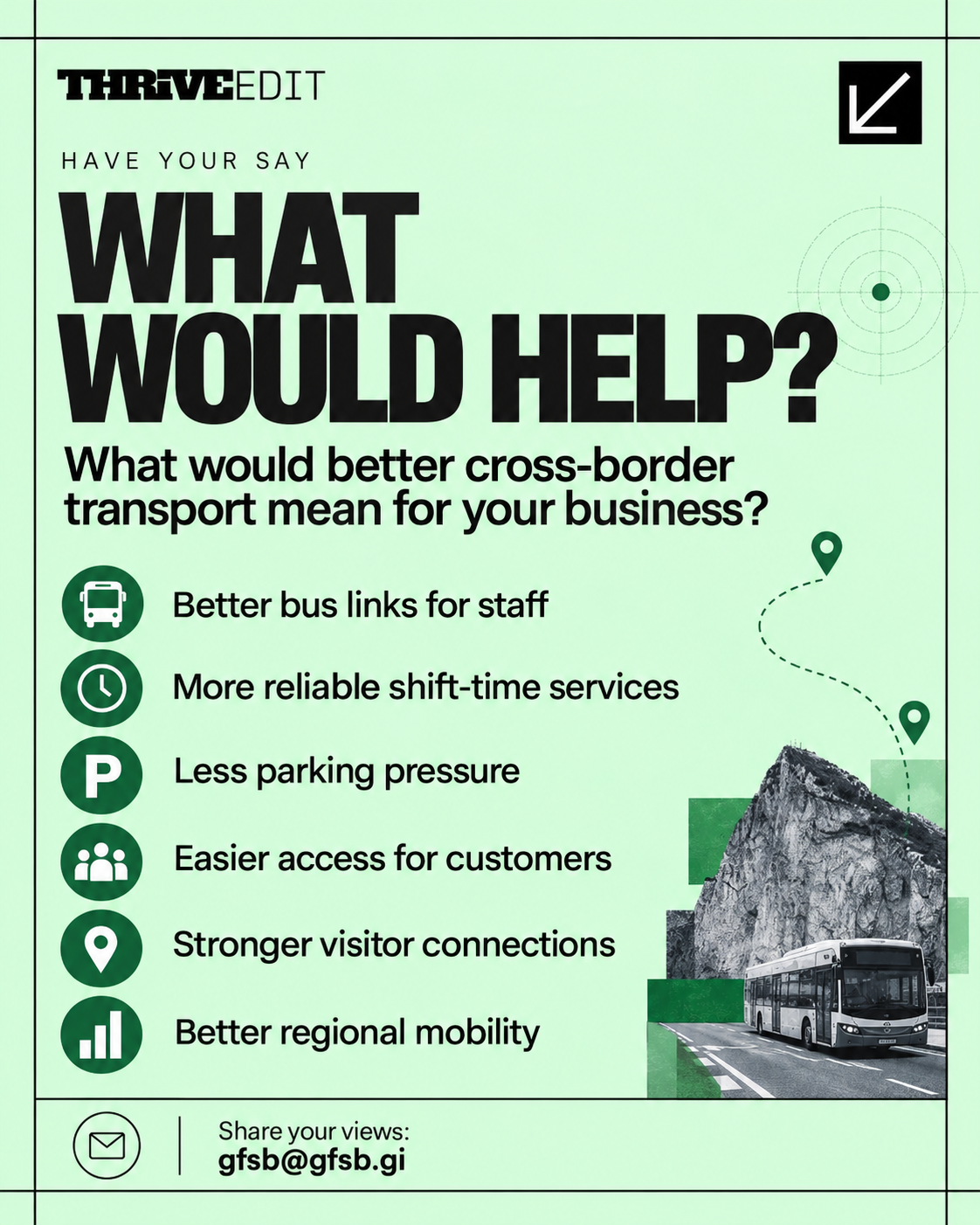
New frontier lanes and discussions around a cross-border transport interchange raise questions about buses, workers, visitors and business connectivity.
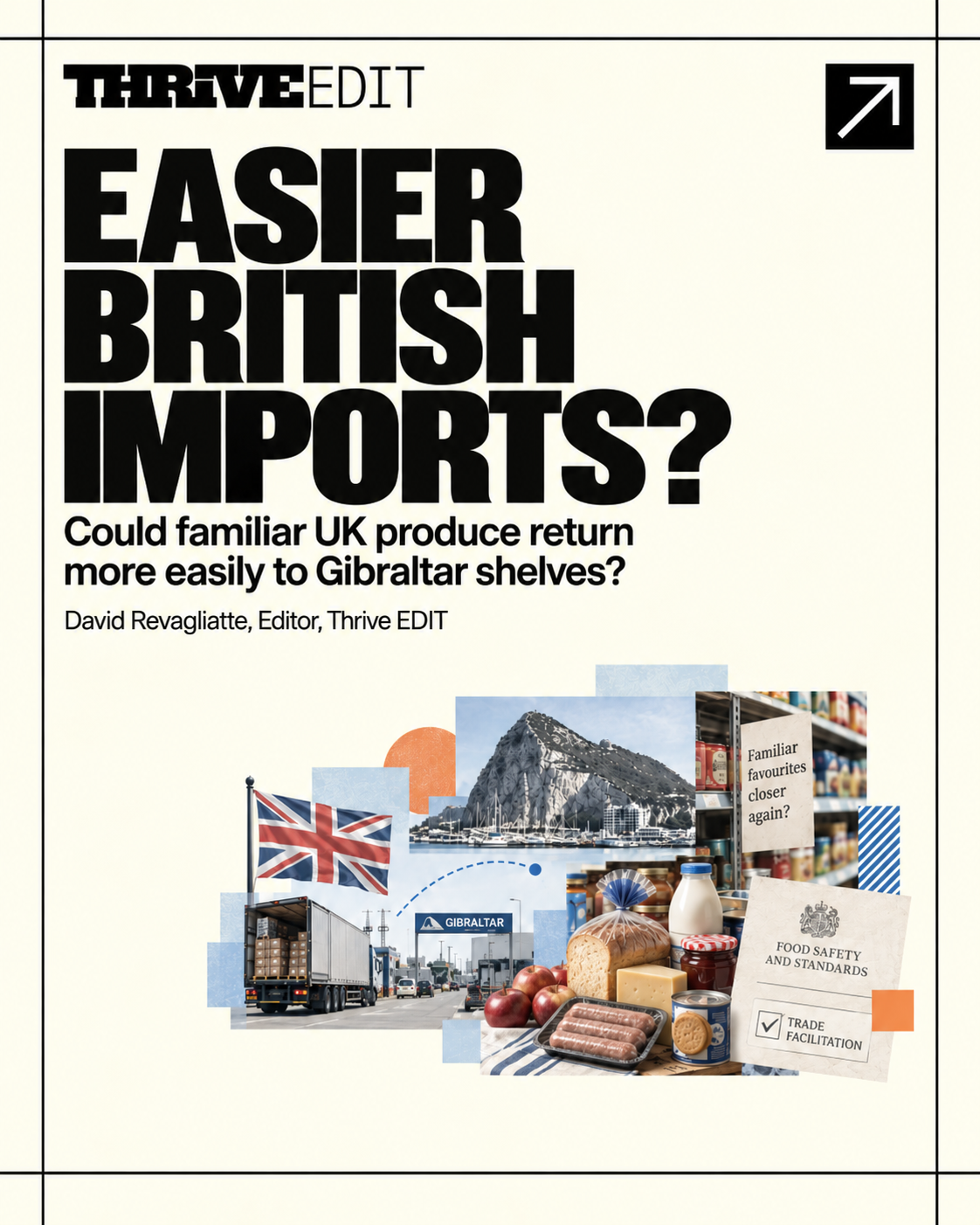
Could a future UK-EU food agreement make it easier for British produce to return to Gibraltar shelves? British produce has long been part of Gibraltar’s shopping experience; I wrote about it a couple of years ago, before we had a Treaty in place. From supermarket staples and fresh food to familiar household brands, we’ve spent […]