
 Gibraltar Federation of Small Businesses


 Gibraltar Federation of Small Businesses

The Gibraltar Federation of Small Businesses (GFSB) is excited to announce the launch of a new membership platform, ‘Glue Up’, set to go live in September 2024. This platform is designed to enhance the membership experience by offering a comprehensive suite of tools and resources, all accessible through our existing website.
With Glue Up, members will be able to manage their membership details easily and efficiently. The platform will host a variety of members-only resources, simplifying the way you access valuable information and tools. Registration for events will now take place directly through the platform, streamlining the process and making it easier than ever to stay informed and engaged. Additionally, Glue Up will offer community spaces where members can connect and collaborate on various topics, fostering a stronger, more interactive GFSB community.
Once the platform is live, members will receive an email with detailed instructions on how to access it. We encourage every employee within your business to log in and explore what the platform has to offer.
In conjunction with the launch of Glue Up, we would also like to inform you of upcoming changes to our membership fees, which will take effect from 1st September 2024. The new membership tiers and prices are as follows:
• Sole Trader: £6.25 a month (billed annually at £75)
• 2 to 4 employees: £7.50 a month (billed annually at £90)
• 5-10 employees: £10.42 a month (billed annually at £125)
• 11-20 employees: £16.25 a month (billed annually at £195)
• 21-50 employees: £20.83 a month (billed annually at £250)
• 51+ employees: £29.17 a month (billed annually at £350)
• Aged 21 and under: £2.50 a month (billed annually at £30)
These updated tiers are different from our previous structure, and all existing members have been placed into the appropriate tier based on the size of their business. If you believe your business has been incorrectly categorized, please reach out to us at gfsb@gfsb.gi or admin@gfsb.gi, and we will ensure any necessary adjustments are made.
Our goal with these changes is to better support local businesses, helping them to start, grow, and thrive in Gibraltar’s vibrant economy. We look forward to continuing to provide you with valuable resources and opportunities through the new Glue Up platform and our updated membership structure.




Governments and geopolitical strategists use simulations to test what might happen when other players react. The same thinking can help businesses challenge assumptions, anticipate competitors and prepare for decisions before real money is on the line.
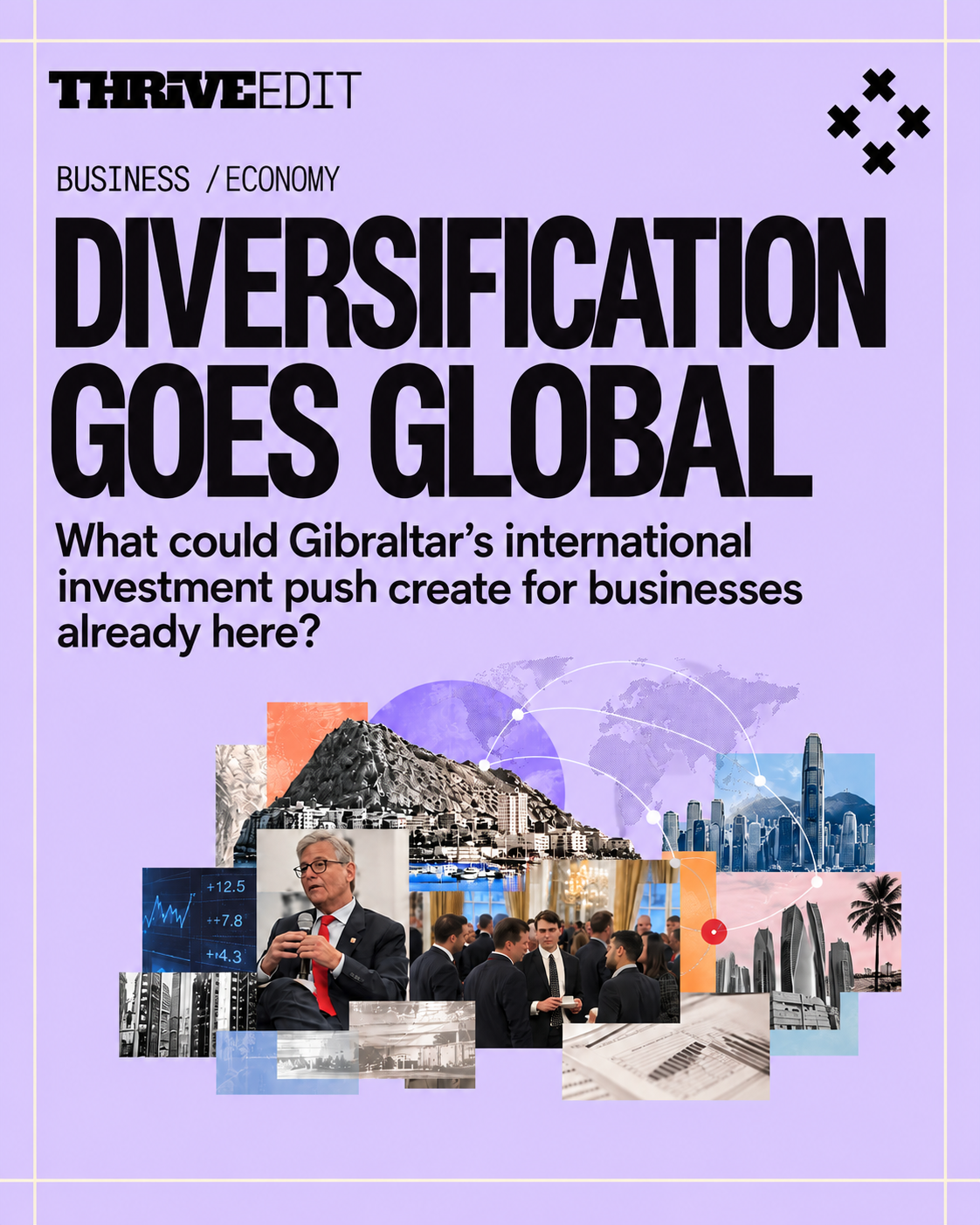
From Hong Kong to Abu Dhabi, Gibraltar is pursuing new industries and investors as part of a major economic diversification drive. Minister Nigel Feetham says the campaign is already generating business. The bigger question is how far those opportunities can spread through Gibraltar’s wider economy.

Gibraltar plans a new residency route for financially independent over-55s alongside a new business think tank announced at GibLink London.

New frontier lanes and discussions around a cross-border transport interchange raise questions about buses, workers, visitors and business connectivity.
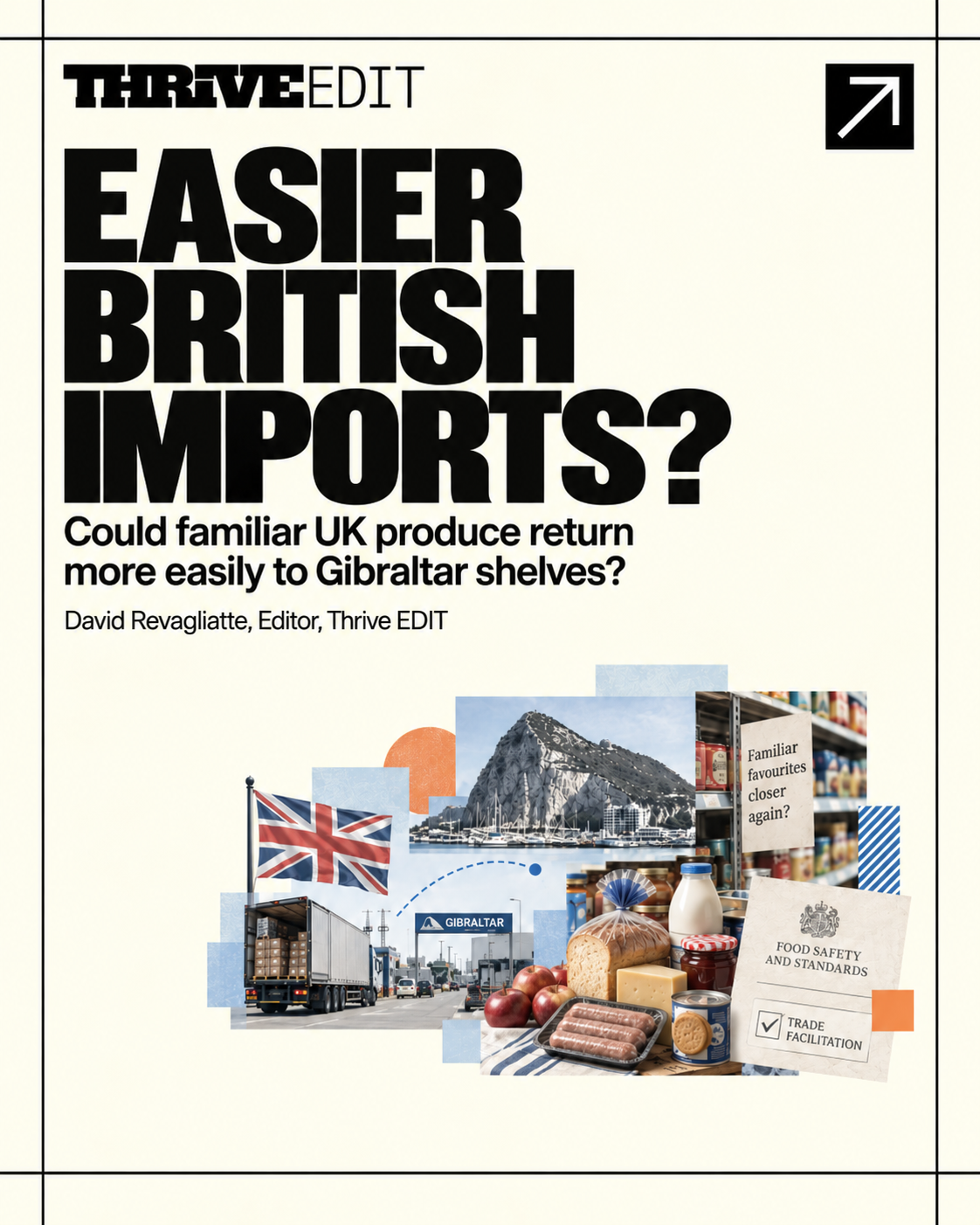
Could a future UK-EU food agreement make it easier for British produce to return to Gibraltar shelves? British produce has long been part of Gibraltar’s shopping experience; I wrote about it a couple of years ago, before we had a Treaty in place. From supermarket staples and fresh food to familiar household brands, we’ve spent […]