

 Gibraltar Federation of Small Businesses


 Gibraltar Federation of Small Businesses


“What about a claim against the contractor/company who due to negligence cause the power cut? There seems to be no liability on their part as it keeps reoccurring”.
The Court’s public policy considerations
Loss allocation:–
Who can afford to bear the loss?
Which of the parties have insurance/ is the situation one subject to compulsory insurance?
Is the defendant a publicly funded body?
Opening the floodgates:-
Will imposing liability lead to a high volume of new claims?
What effect would this have on cost of insurance or its availability?
Will the courts be able to cope with the volume of cases?
The practical effects of imposing liability
Will the imposition of a duty of care act as a deterrent or raise standards?
Will imposing a duty have an adverse effect on decision making?
Will it affect the allocation of resources away from necessities?
(i) if the law allowed recovery for all economic loss, the extent of liability in many situations would be enormous. In this case, the contractor who cut the mainline electricity cable would have been liable to a range of businesses whose trade had been interrupted as a result;
(ii) the contractor could be bankrupted by needing to compensate all business affected by the power interruption arising from this single mistake and would have been forced to carry an excessive part of the risk associated with a socially useful activity which it carried on;
(iii) the effect of imposing such liability upon the contractor could deter the activity from being carried out at all;
(iv) the Court’s fear behind allowing claims for “pure economic loss” is that potentially unlimited claims could flood in. The Court has continued to have regard to these public policy considerations in cases involving public utilities and has limited the right to make claims for damages due to concerns that it may open the floodgates to litigation.


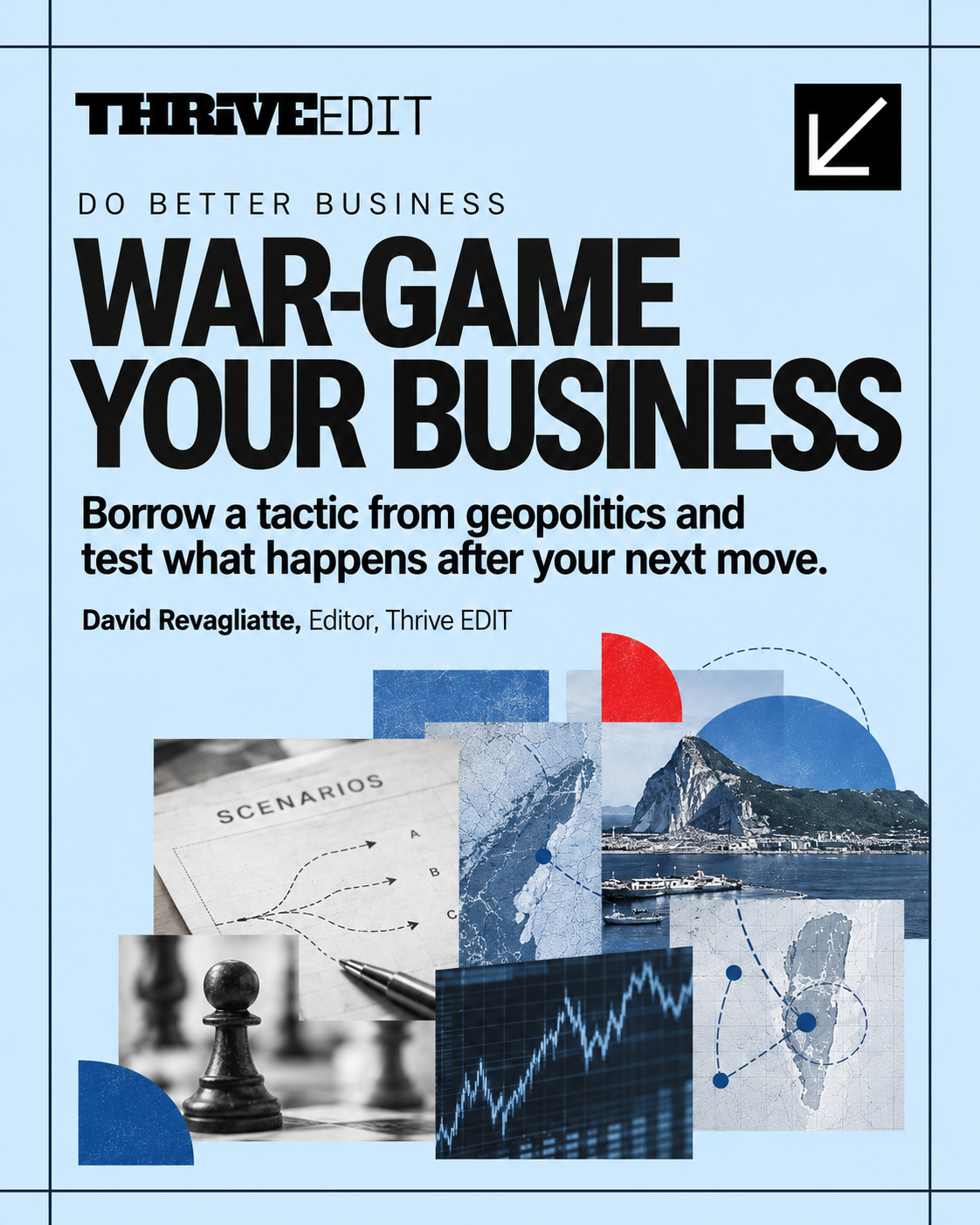

Governments and geopolitical strategists use simulations to test what might happen when other players react. The same thinking can help businesses challenge assumptions, anticipate competitors and prepare for decisions before real money is on the line.

From Hong Kong to Abu Dhabi, Gibraltar is pursuing new industries and investors as part of a major economic diversification drive. Minister Nigel Feetham says the campaign is already generating business. The bigger question is how far those opportunities can spread through Gibraltar’s wider economy.
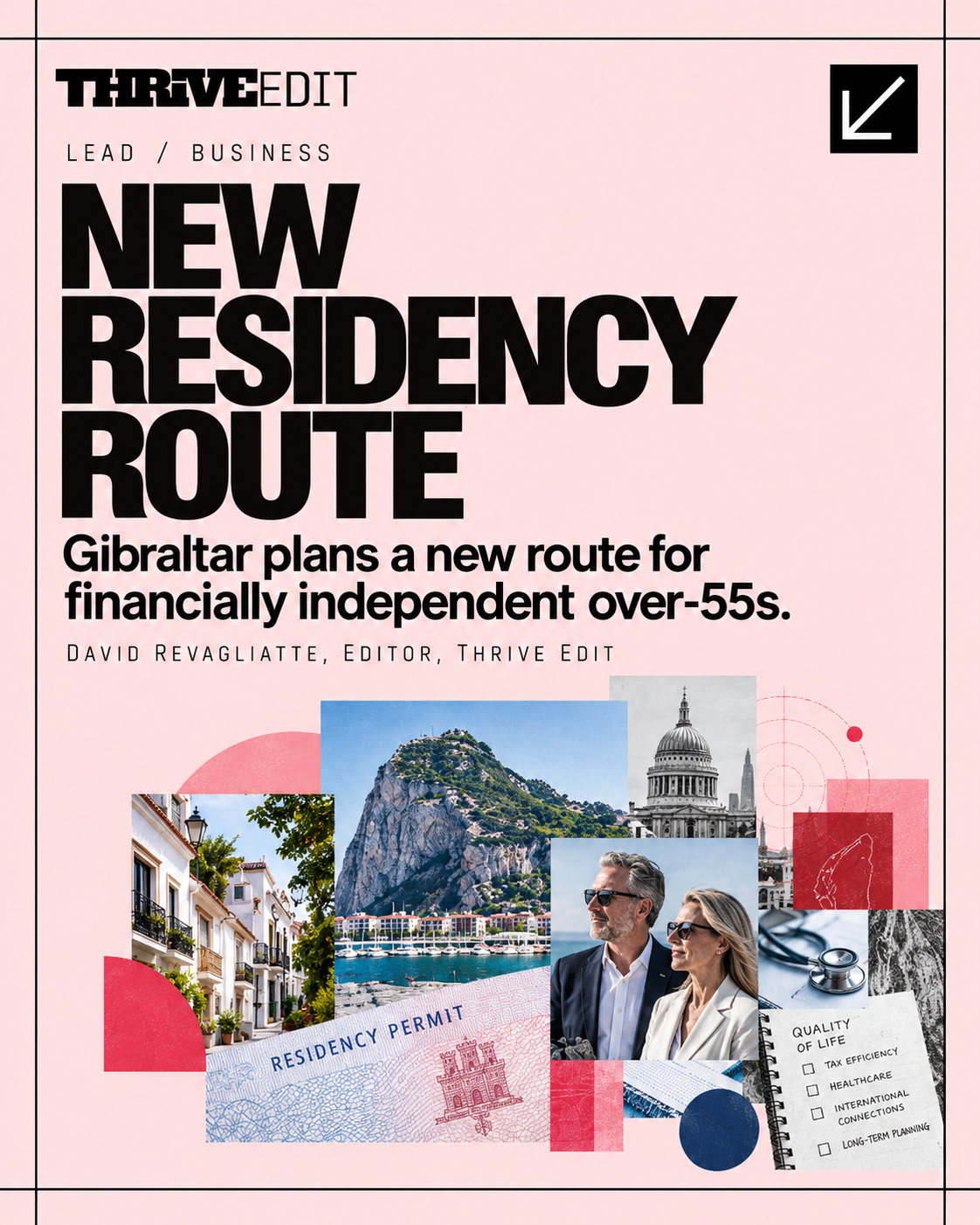
Gibraltar plans a new residency route for financially independent over-55s alongside a new business think tank announced at GibLink London.
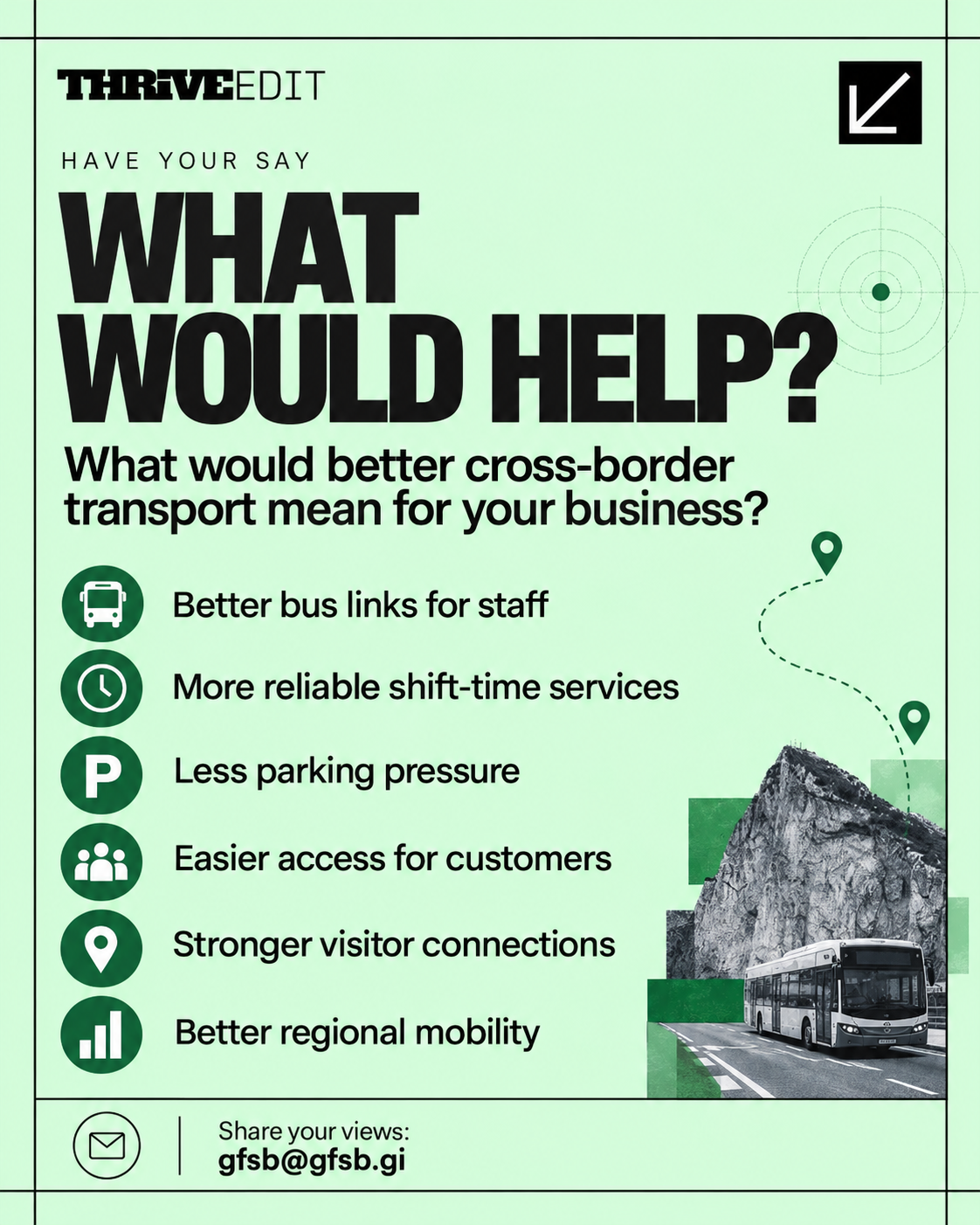
New frontier lanes and discussions around a cross-border transport interchange raise questions about buses, workers, visitors and business connectivity.

Could a future UK-EU food agreement make it easier for British produce to return to Gibraltar shelves? British produce has long been part of Gibraltar’s shopping experience; I wrote about it a couple of years ago, before we had a Treaty in place. From supermarket staples and fresh food to familiar household brands, we’ve spent […]