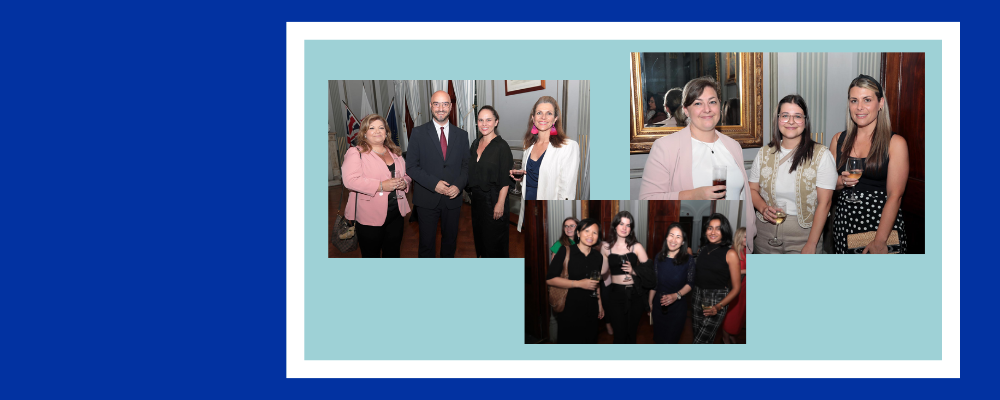

 Gibraltar Federation of Small Businesses


 Gibraltar Federation of Small Businesses

Finding someone who listens, understands, and guides you can make all the difference. For women in Gibraltar, the Women’s Mentorship Programme offers just that; honest conversations and valuable support from people with lived experience who understand. Now in its seventh cycle, the programme pairs women with mentors to help them navigate work, life, and everything in between.
Launched in 2018 as part of the Ministry of Equality’s gender equality strategy, the programme tackles the underrepresentation of women in leadership while fostering personal growth. Marlene Dalli, Policy Development Officer at the Ministry of Equality, explains, “This programme is about creating opportunities that reflect the talent in our community. When women are better represented, businesses benefit, and so does the wider community.” Since its inception, more than 300 women have participated, and the programme continues to evolve with longer mentorship periods and group learning sessions that mentees have described as invaluable.
Real People, Real Stories
Mentorship isn’t about formal meetings or tick-box exercises – it’s about real people supporting each other. Pete Yeoman, a mentor since the programme began, puts it simply: “I’ve been fortunate to learn from many people throughout my career. Mentoring is my way of giving back.” Pete emphasises that every mentee brings their own journey, challenges, and goals, and the trust they place in him is something he values deeply. “It’s powerful when someone opens up about their goals and fears. And it’s not a one-way street, I’ve learned just as much from them,” he says.
Pete recalls working with a mentee recently promoted to a managerial position. Although thrilled with her new role, she dreaded networking events. “She told me how overwhelming it felt to walk into a room full of people,” Pete shares. “But hearing her later describe how she introduced herself to a group, shared her thoughts, and came away feeling confident – that was a real breakthrough moment. It’s amazing to witness that growth.”
For small business owner and former GFSB Board Member Michaela Rees, the mentorship programme was a chance to reflect on her leadership style. Whilst she was already an experienced businessperson, being a mentee helped her with a specific challenge. “Running a start-up means wearing many hats. I was trying to be supportive but ended up micromanaging,” she admits. Her mentor helped her realise that stepping back could empower her team. “Letting go wasn’t easy, but it’s improved how we work. My team is more confident, and I’m less overwhelmed.”
Building Confidence
For many mentees, mentorship provides a confidence boost. Caroline Lane joined to gain a fresh perspective on her career goals. “I often felt out of place in professional settings. Talking with my mentor helped me understand those feelings and work through them,” she says. That shift has made a lasting difference in how she approaches meetings and professional challenges.
Caroline also found the programme’s workshops transformative. “The confidence-building session was a game-changer. It wasn’t just theory – we left with practical tools that I still use today,” she recalls. These workshops provide mentees with skills they can apply immediately, both in their careers and personal lives.
These stories reflect what mentorship is really about: real people supporting each other through everyday challenges and helping each other see things from a new perspective.
Match Making
A successful mentorship begins with the right match. Both mentors and mentees fill out an application detailing their goals and expertise, which helps the Ministry understand what each participant is looking for. “We spend a lot of time finding the best possible match,” Marlene explains. Sometimes, a follow-up chat helps the team refine pairings. “It’s about understanding what someone really needs and finding the best person to support them,” explains Marlene.
Michaela admits the application form initially felt daunting but encourages others to give it a go. “Be honest and share as much as you can. The more they understand about you, the better your match will be,” she advises. Once paired, mentors and mentees decide together how often to meet. “It’s flexible, which makes it easy to fit into your life,” Michaela adds.
Confidentiality is key. In a close-knit community like Gibraltar, privacy helps participants speak freely. “Knowing my conversations wouldn’t go beyond my mentor gave me the space to be completely honest,” Michaela says. That trust is the foundation for meaningful, supportive relationships.
Why It Matters
Mentorship is about real people supporting each other through honest conversations and shared experiences. “Success looks different for everyone,” says Marlene. “Some mentees change careers, some earn promotions, and others discover a new level of confidence. But what unites them is having someone who listens and helps them navigate their journey.” For Pete, mentoring is as rewarding for him as it is for his mentees. “Their perspectives challenge my thinking and make me reflect on my assumptions. Watching someone realise their potential is incredibly fulfilling.”
Michaela’s experience highlights the lasting ripple effect: “It’s changed how I lead and how my team operates. That’s not just good for me – it benefits everyone I work with.” Caroline echoes this sentiment: “It’s about believing in yourself, learning from others, and taking that next step with support behind you.” Marlene adds, “When people feel supported, they’re more likely to step up as leaders and contribute positively to our community. This isn’t just about individuals, it’s about creating a more inclusive and resilient society.”
The Ministry of Equality is pleased to announce a new cycle of the Women’s Mentorship Programme for 2026. The Women’s Mentorship Programme is open to women of 18 years of age or over who are resident in Gibraltar and who feel they would benefit from a mentor. The Ministry would like to encourage potential mentees and mentors to email equality.events@gibraltar.gov.gi to register interest. The deadline for completed applications is Friday 23rd January 2026.




Governments and geopolitical strategists use simulations to test what might happen when other players react. The same thinking can help businesses challenge assumptions, anticipate competitors and prepare for decisions before real money is on the line.
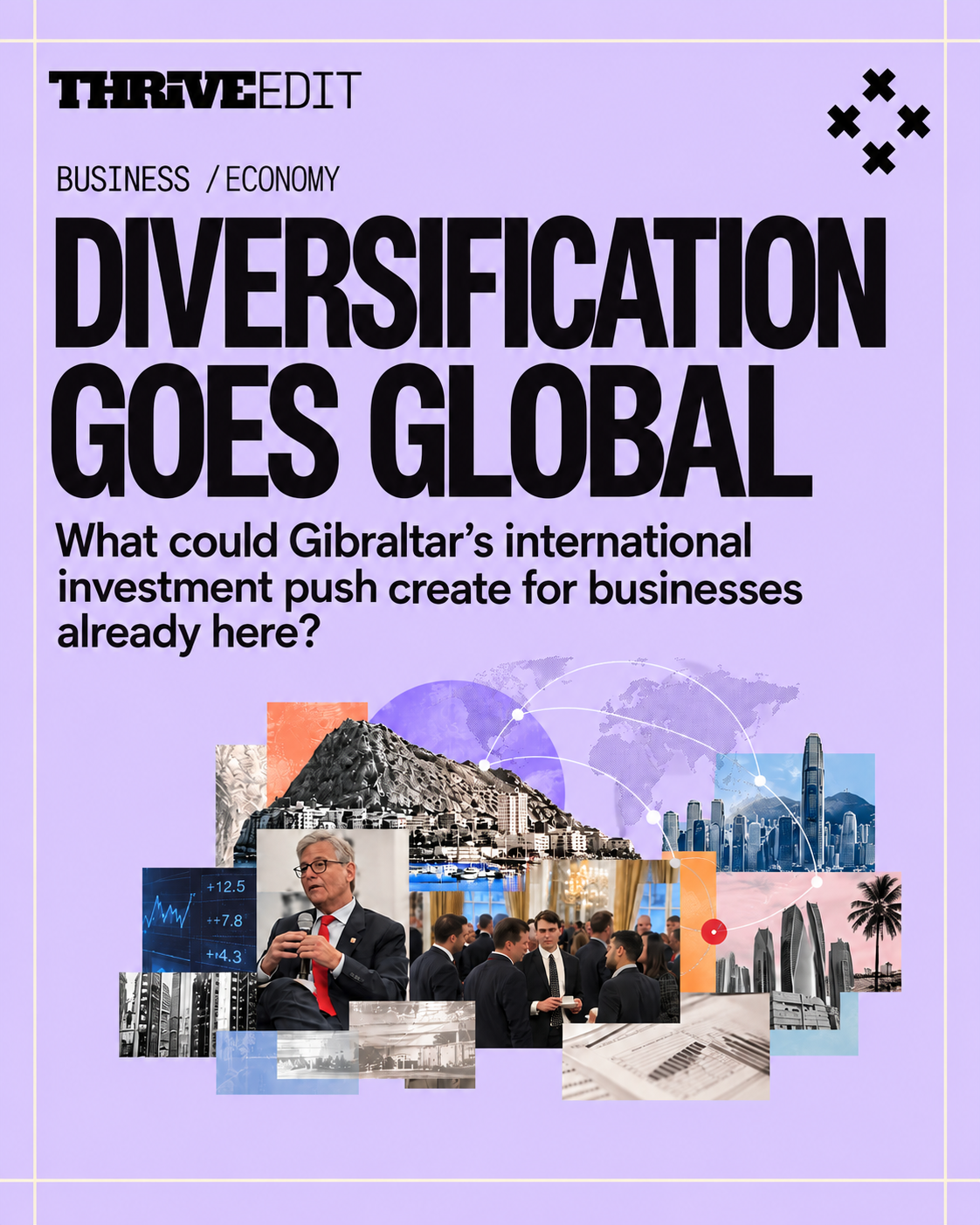
From Hong Kong to Abu Dhabi, Gibraltar is pursuing new industries and investors as part of a major economic diversification drive. Minister Nigel Feetham says the campaign is already generating business. The bigger question is how far those opportunities can spread through Gibraltar’s wider economy.
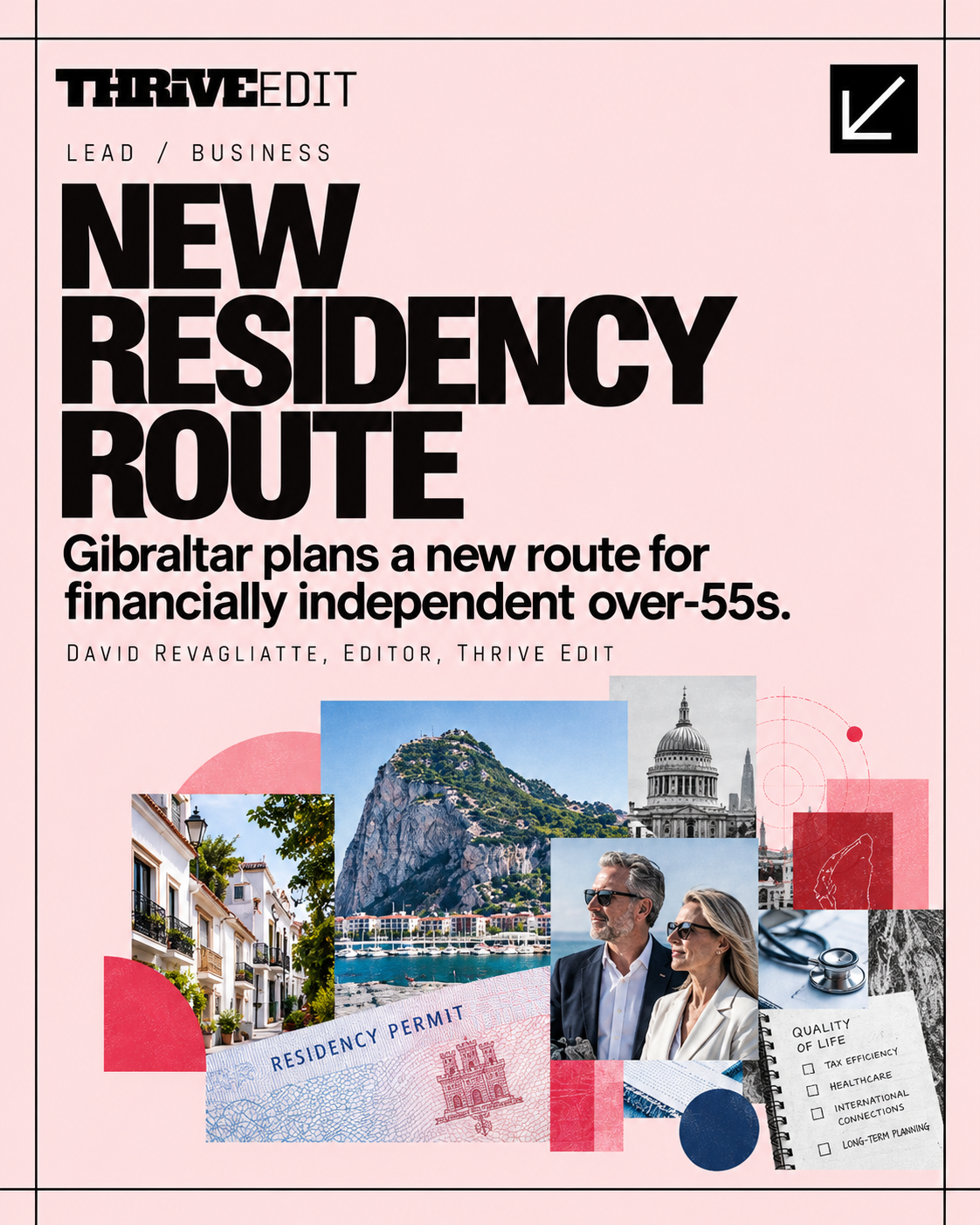
Gibraltar plans a new residency route for financially independent over-55s alongside a new business think tank announced at GibLink London.
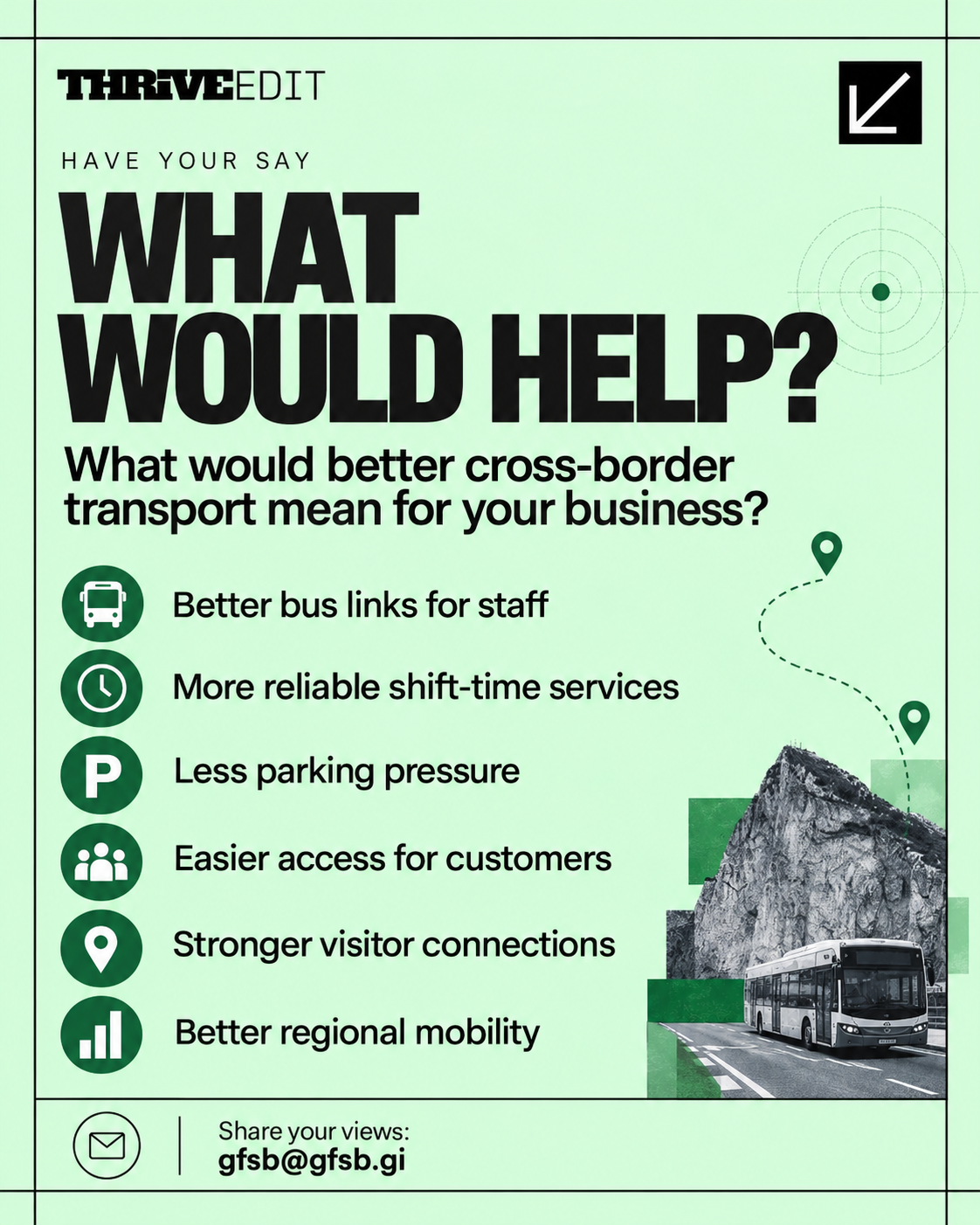
New frontier lanes and discussions around a cross-border transport interchange raise questions about buses, workers, visitors and business connectivity.

Could a future UK-EU food agreement make it easier for British produce to return to Gibraltar shelves? British produce has long been part of Gibraltar’s shopping experience; I wrote about it a couple of years ago, before we had a Treaty in place. From supermarket staples and fresh food to familiar household brands, we’ve spent […]