
 Gibraltar Federation of Small Businesses


 Gibraltar Federation of Small Businesses

A Business Community Paying Attention
Last week, we shared a Treaty Readiness Survey with our members and the wider community to take a temperature check of how they feel with just over a month to go until July 15th. The results provide a useful snapshot of how Gibraltar businesses currently feel about Treaty implementation, with responses pointing to a business community that is engaged with the issue but still facing uncertainty around the practical implications.
Respondents represented a mix of business types, with the largest share operating in services, followed by businesses selling products or goods, and a smaller group selling both. This spread is important because the perceived impact of Treaty implementation appears to cut across different types of businesses, rather than being confined to one sector or operating model.
Clarity Remains a Major Concern
A key finding is that clarity remains a significant concern. While some businesses feel they have a partial understanding of the expected Treaty-related changes, none described the position as very clear. A notable proportion described the changes as very unclear, while others sat in the middle, suggesting that many businesses may still be waiting for more detailed, practical guidance before they can make firm plans.
Preparedness Levels Are Mixed
Preparedness levels are mixed. Some businesses consider themselves fairly prepared, but a similar proportion remain neutral, and a sizeable group say they are either not very prepared or not prepared at all. This suggests that, while some businesses have begun to think through the implications, overall readiness is uneven and may depend heavily on each business’s exposure to cross-border movement, goods, staffing, supply chains or administrative processes.
Where Businesses Expect the Impact to Be Felt
When asked which areas could be affected, businesses most frequently pointed to customs, tax or administrative requirements. Pricing and operating costs also emerged as a major concern, followed by movement of goods and supply chains or deliveries. Cross-border staff movement, recruitment and access to customers or clients were also identified, but to a lesser extent. The fact that no respondents selected “none of the above” indicates that businesses broadly expect Treaty implementation to have some practical impact.
Businesses Are Taking Steps, But Many Still Need Guidance
There is evidence that businesses are beginning to take action. The most common steps taken include reviewing internal processes and speaking with suppliers, clients or logistics partners. Some have sought professional advice, reviewed pricing or contractual terms, or attended briefings and information sessions. However, a meaningful proportion are still unsure what steps are required, which reinforces the need for clearer, business-focused communication and guidance.
Confidence Is Cautious Rather Than Strong
Confidence in adapting to the Treaty is cautious rather than strong. While some businesses expressed confidence, the largest group placed themselves in the middle, neither confident nor unconfident. Others expressed low confidence. This points to a business community that is not necessarily resistant to change, but which may not yet have enough information to feel assured about how it will adapt.
Sentiment Tilts Towards Concern
Overall sentiment is weighted more towards concern than optimism. Negative sentiment outweighed positive sentiment, with a sizeable group also selecting neutral. Interestingly, no respondents said it was too early to say, suggesting that businesses have already formed views or concerns, even if they do not yet feel fully informed.
The Human Response: Uncertainty Dominates
The open sentiment responses add useful colour to the quantitative findings. Words such as “unclear”, “uncertain”, “unsure”, “anxious”, “pressure” and “nervous” suggest that uncertainty is the dominant emotional theme. There were also more positive or pragmatic responses, including “positive”, “optimistic” and “readyish”, indicating that some businesses see potential upside or feel capable of adapting. However, responses such as “cynical”, “foolhardy” and “betrayed” point to a layer of frustration and distrust among some respondents.
The Overall Picture
Taken together, the findings suggest that Gibraltar businesses are alert to the potential impact of Treaty implementation but are not yet uniformly prepared. The main challenge appears to be less about willingness to adapt and more about clarity, confidence and practical guidance. Businesses are already identifying likely areas of impact, particularly around administration, costs, goods and supply chains, but many still need clearer information to translate awareness into concrete readiness.
The overall picture is therefore one of cautious concern. Gibraltar businesses appear to be watching developments closely, taking some preparatory steps where possible, but still seeking the certainty and detail required to plan with confidence.



Governments and geopolitical strategists use simulations to test what might happen when other players react. The same thinking can help businesses challenge assumptions, anticipate competitors and prepare for decisions before real money is on the line.
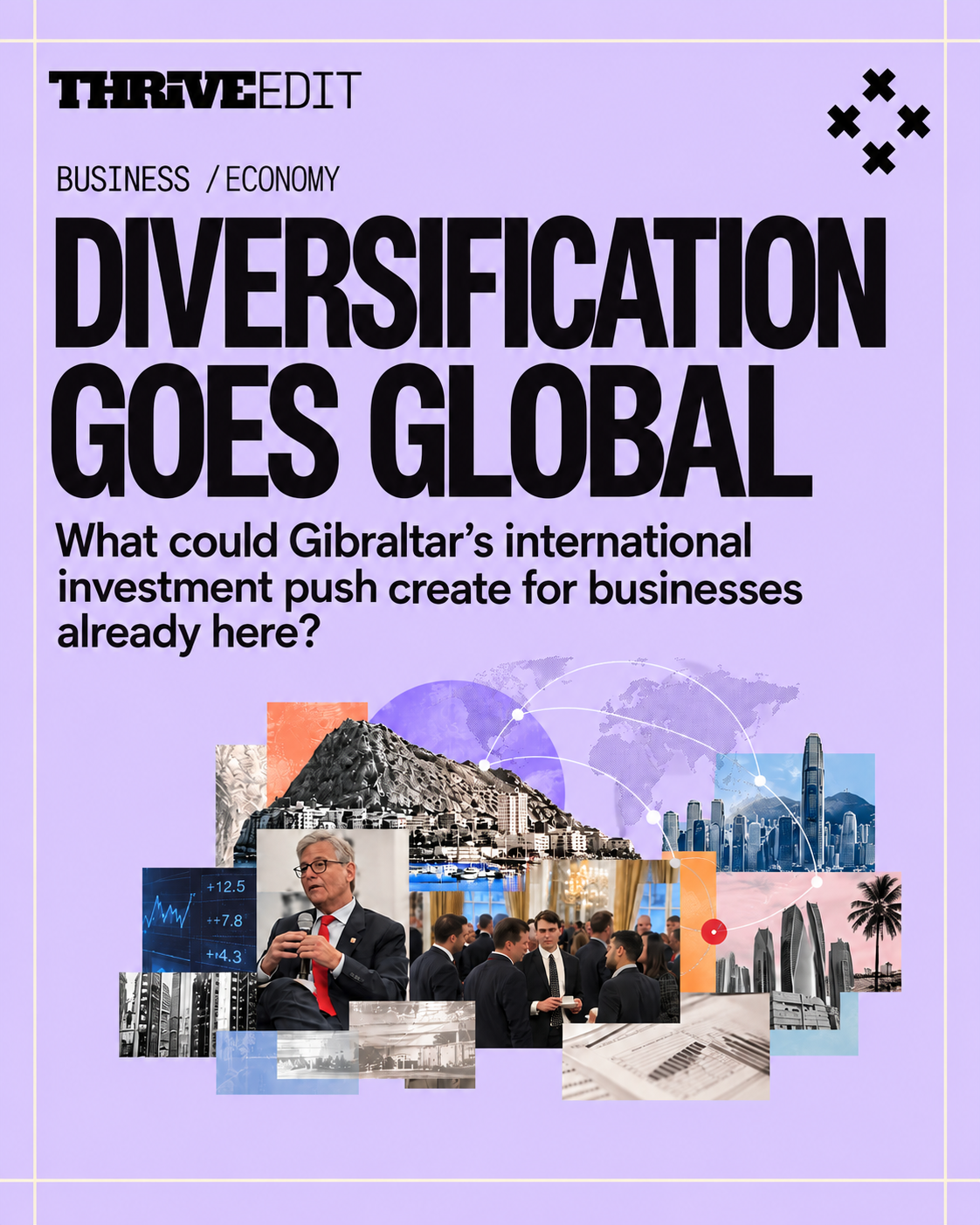
From Hong Kong to Abu Dhabi, Gibraltar is pursuing new industries and investors as part of a major economic diversification drive. Minister Nigel Feetham says the campaign is already generating business. The bigger question is how far those opportunities can spread through Gibraltar’s wider economy.

Gibraltar plans a new residency route for financially independent over-55s alongside a new business think tank announced at GibLink London.
New frontier lanes and discussions around a cross-border transport interchange raise questions about buses, workers, visitors and business connectivity.
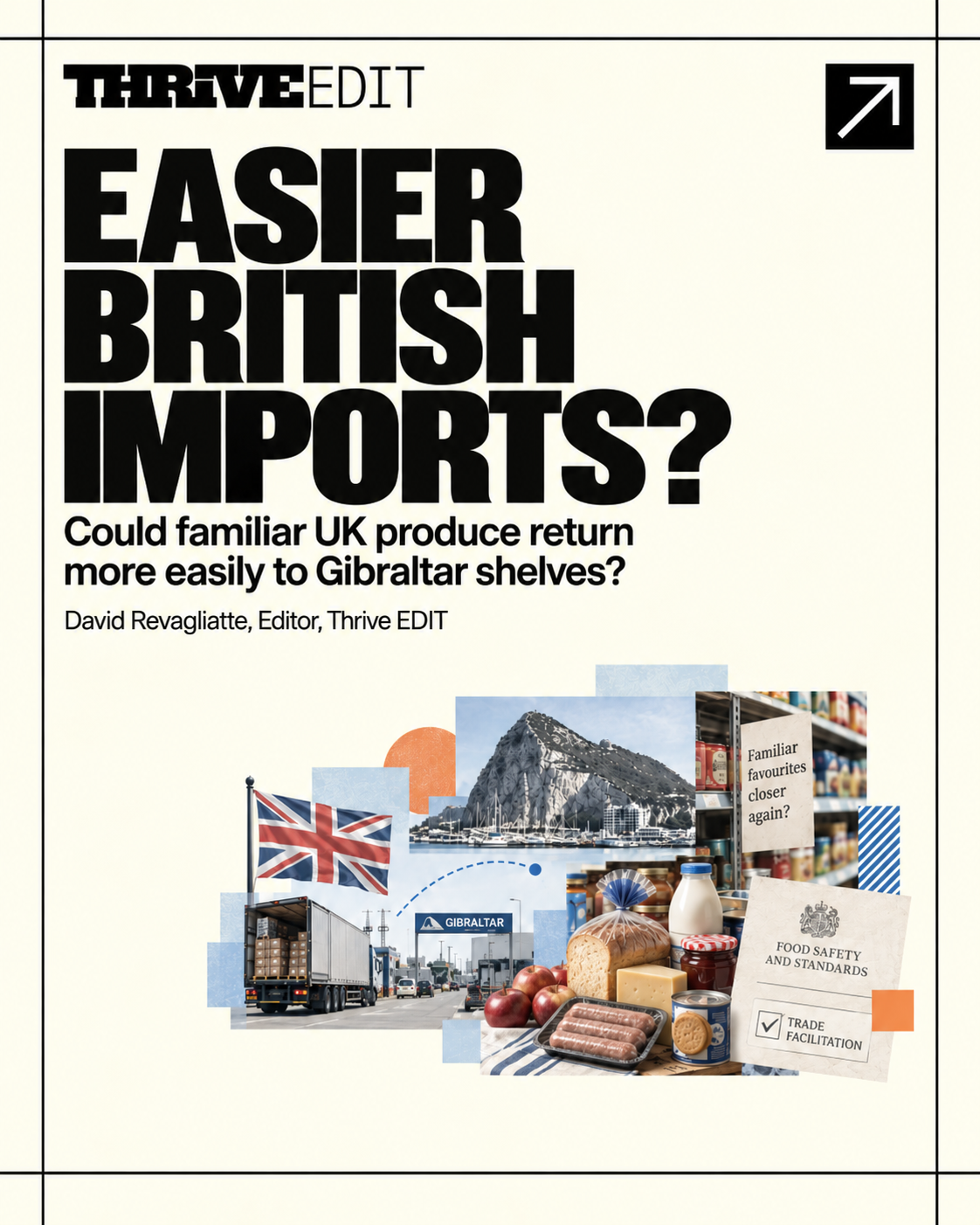
Could a future UK-EU food agreement make it easier for British produce to return to Gibraltar shelves? British produce has long been part of Gibraltar’s shopping experience; I wrote about it a couple of years ago, before we had a Treaty in place. From supermarket staples and fresh food to familiar household brands, we’ve spent […]