

 Gibraltar Federation of Small Businesses


 Gibraltar Federation of Small Businesses

The GFSB has written to the Minister for Business and the Minister for Civil Contingencies regarding the recent cancellation of “large events” announced by Government on 22 July 2021 and the call for “private bars, restaurants and nightclubs to be cautious in the events that they hold, to strictly control numbers and to ensure that clients are vaccinated AND have a negative COVID-19 test result.”
These measures, which effectively put an end to business in the large events sector for the foreseeable future, come just days after the Government was giving permission to events to operate at full capacity and have created considerable uncertainty in the food and beverage sector as to what measures they should now be implementing.
It is not the role of the GFSB to give public health advice and we recognise the fact that Covid cases are rising as are hospitalisations. The Federation is, however, concerned that policies that fundamentally affect the ability of an entire sector to operate can so rapidly go from “full capacity” to “nothing at all”. It is also concerned that bars, restaurants and private venues are being called on to police much stricter criteria for entry, whilst at the same time being given no practical guidance as to what “being cautious” means in practice or how and when it should be implemented.
The business community is facing amongst the most difficult operating conditions of recent times with the combined challenges of Brexit uncertainty, the pandemic and increased taxes and social insurance announced in the recent budget. It is quite clear that the fight against the Covid 19 pandemic is not over and that a return to business as usual may yet be many weeks, if not months away. In those circumstances it is absolutely vital that the Government work with businesses to reduce uncertainty, enabling them to plan as much as is reasonably possible. We, therefore, ask the Government to;
Conduct meaningful engagement with the business community before rolling out any further public health restrictions;
To work with the business community to establish sector specific measures to be implemented as and when required;
To establish key public health indicators that set out the basis for implementation and easing of restrictions;
To publish that information in a “Lock / Unlock the Rock” document similar to that which was published in 2020.
The GFSB members are acutely aware of the personal tragedies and deaths that Covid has already caused in our community. We also recognise as much as any other sector, the challenges that the Covid-19 pandemic brings. It is our members who have seen their businesses closed, their incomes collapse and their plans in tatters. We recognise the hard work being done by Government, public authorities and agencies to control this pandemic. However, as it becomes clear that those challenges may remain for many weeks and months, restrictions must be implemented in as predictable and specific a manner as possible and in accordance with established criteria.


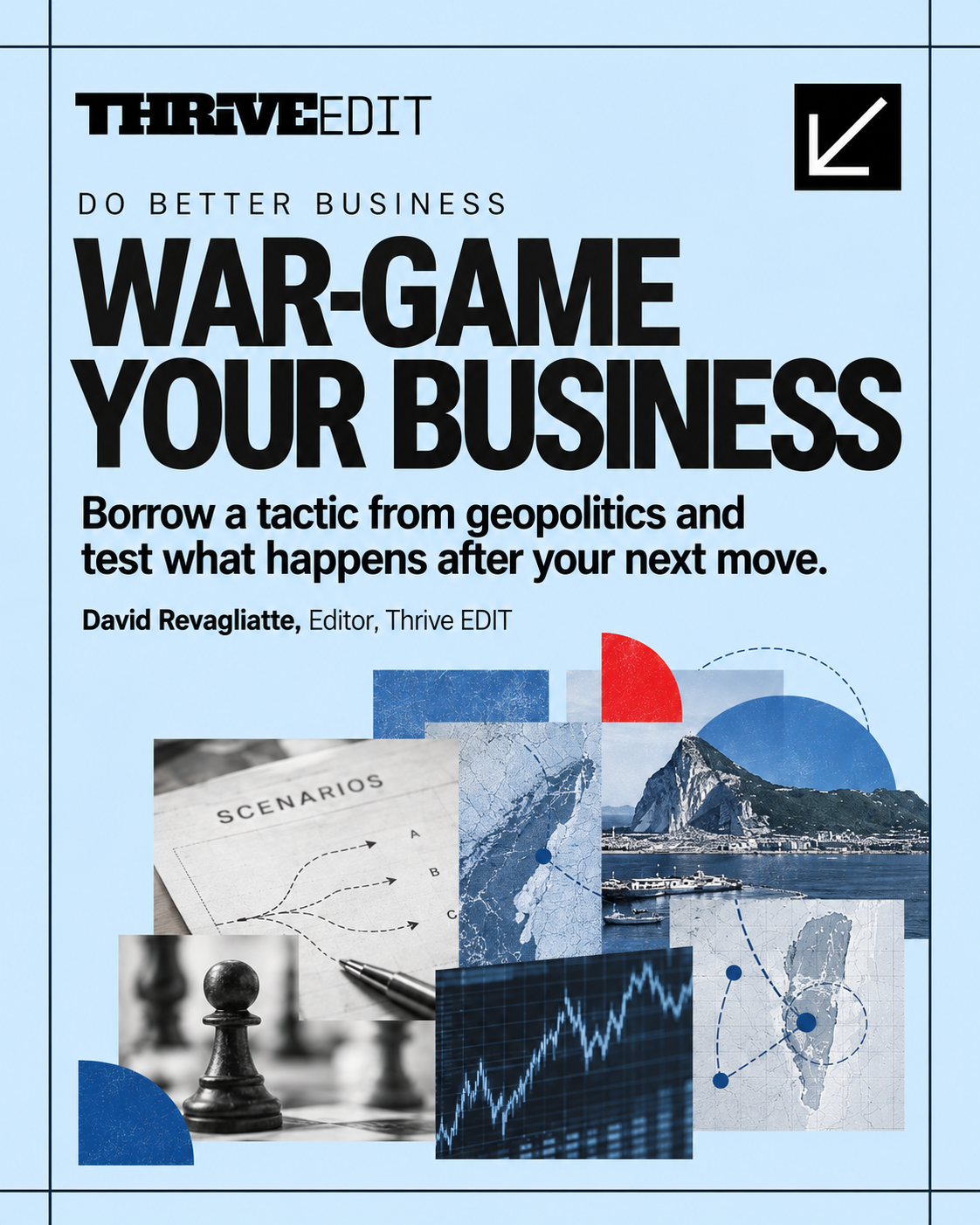

Governments and geopolitical strategists use simulations to test what might happen when other players react. The same thinking can help businesses challenge assumptions, anticipate competitors and prepare for decisions before real money is on the line.
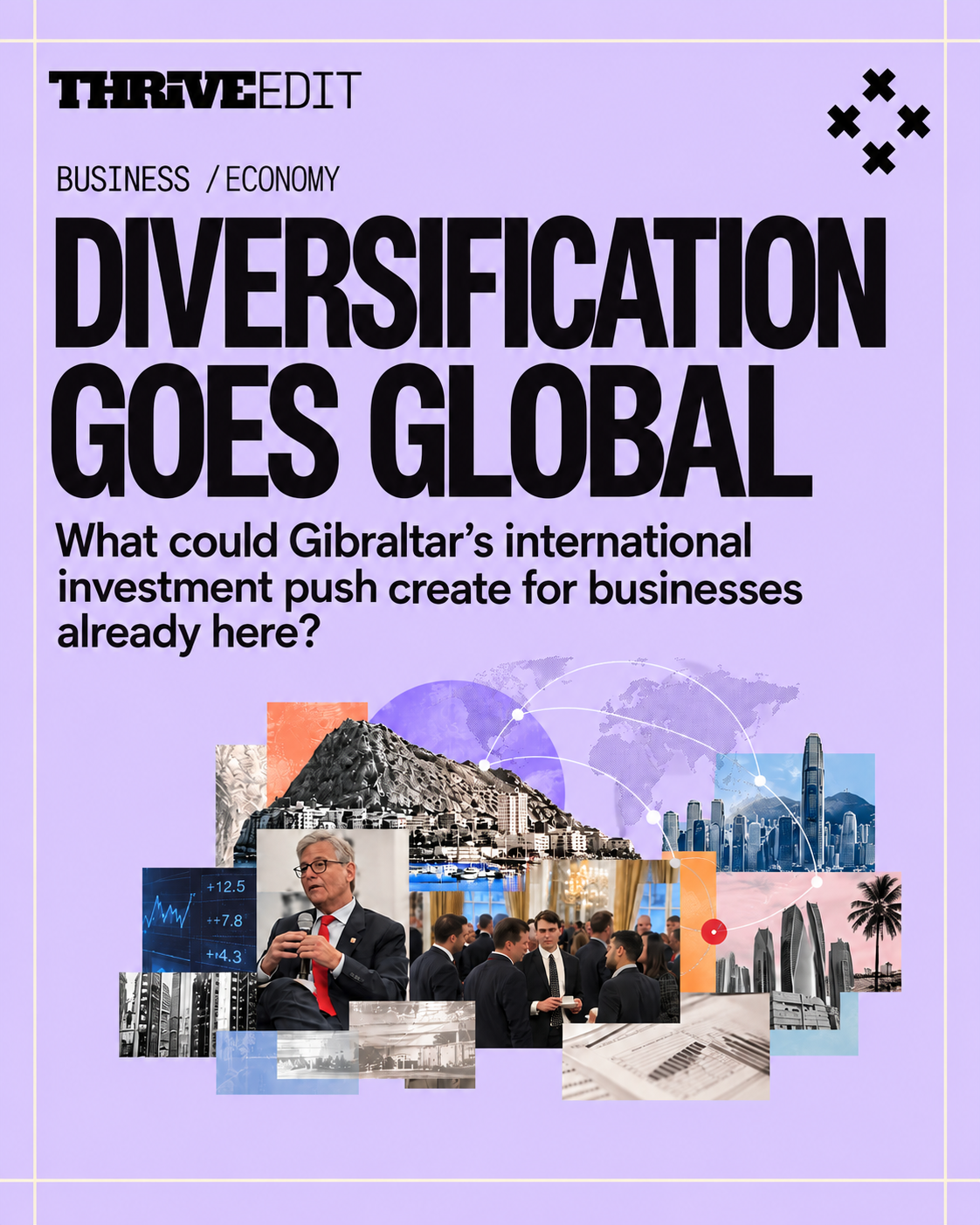
From Hong Kong to Abu Dhabi, Gibraltar is pursuing new industries and investors as part of a major economic diversification drive. Minister Nigel Feetham says the campaign is already generating business. The bigger question is how far those opportunities can spread through Gibraltar’s wider economy.
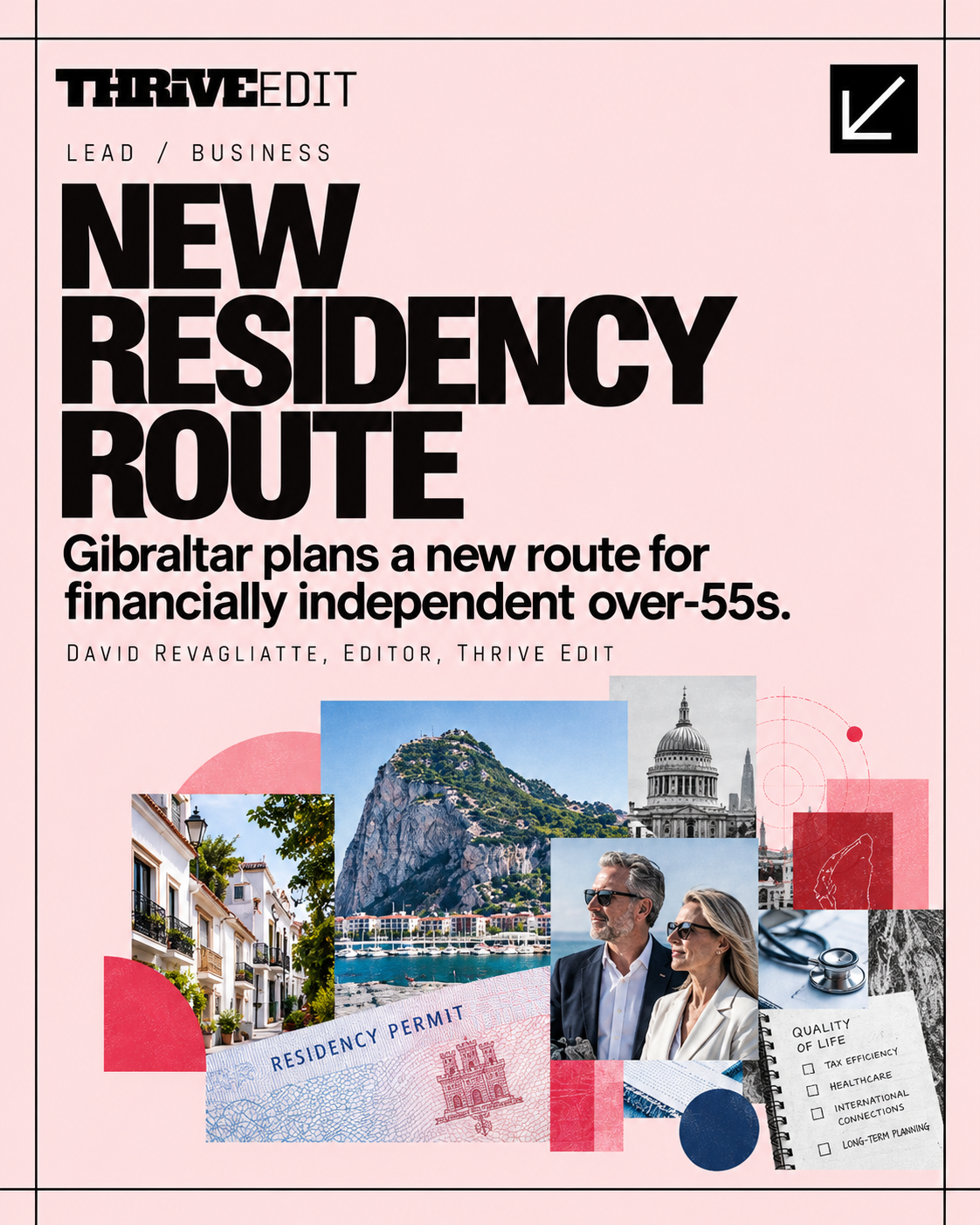
Gibraltar plans a new residency route for financially independent over-55s alongside a new business think tank announced at GibLink London.
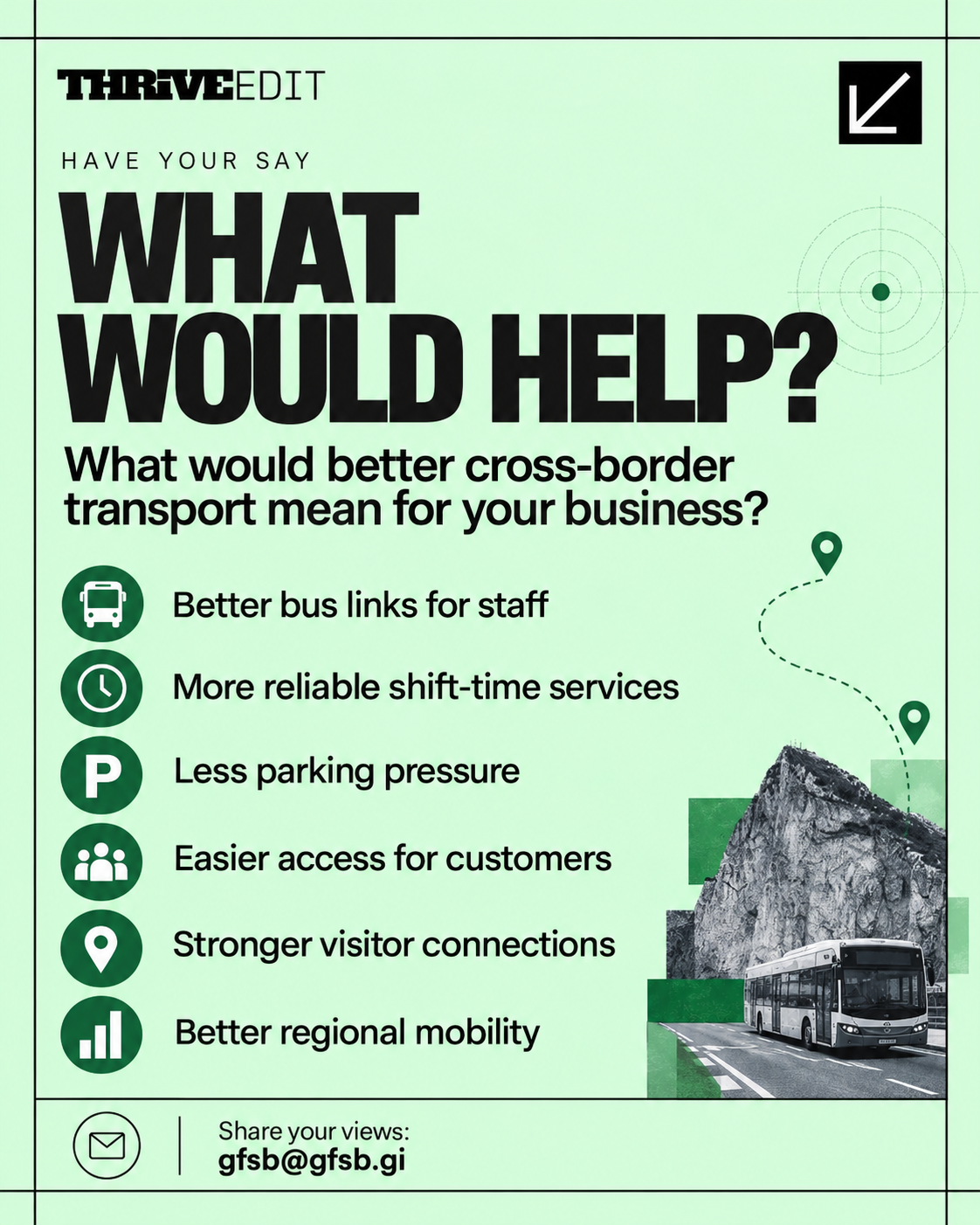
New frontier lanes and discussions around a cross-border transport interchange raise questions about buses, workers, visitors and business connectivity.
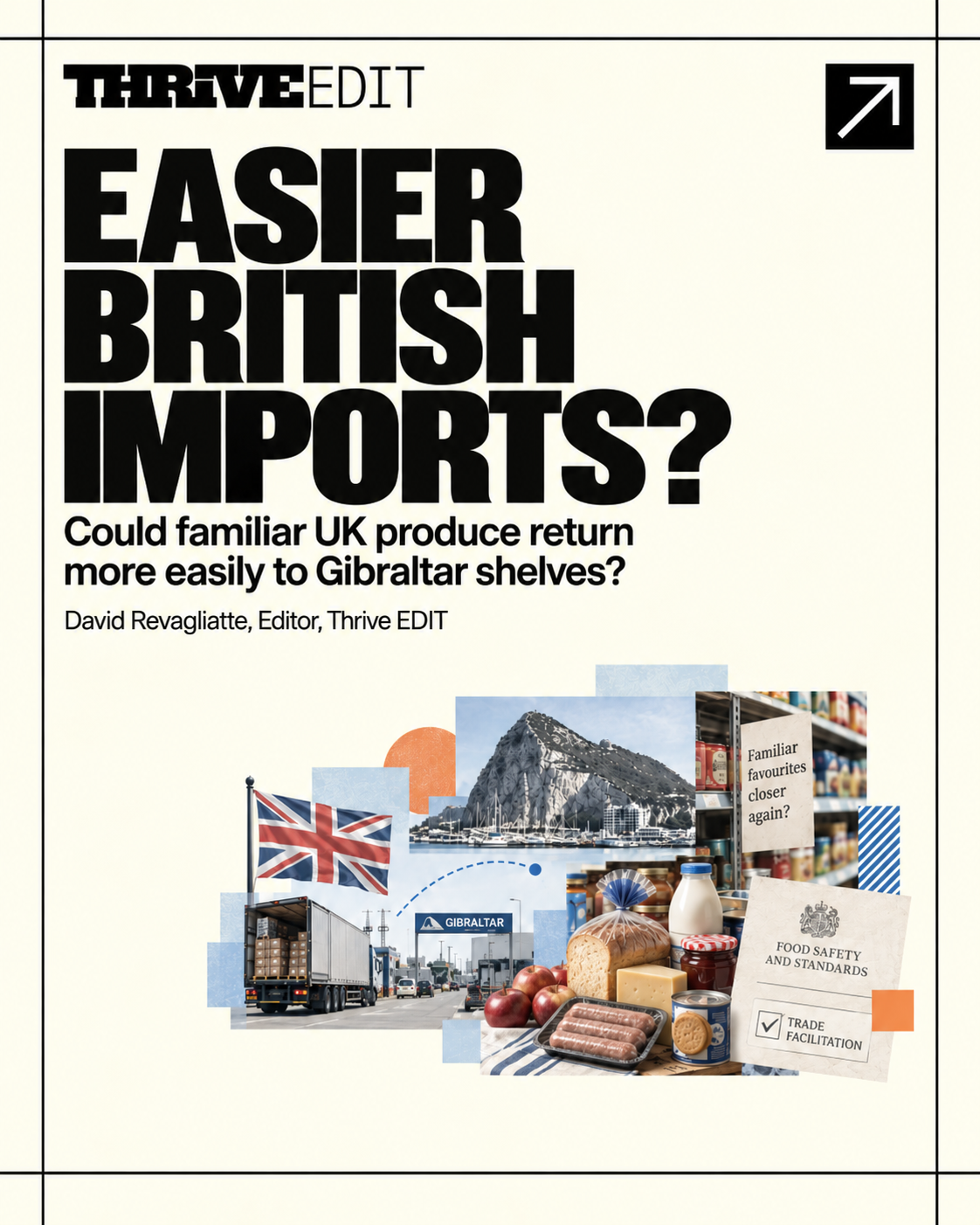
Could a future UK-EU food agreement make it easier for British produce to return to Gibraltar shelves? British produce has long been part of Gibraltar’s shopping experience; I wrote about it a couple of years ago, before we had a Treaty in place. From supermarket staples and fresh food to familiar household brands, we’ve spent […]