

 Gibraltar Federation of Small Businesses


 Gibraltar Federation of Small Businesses

The Government has introduced a new Employment (Amendment) Act 2025, confirming that key worker protections will apply during the transfer of services between companies, commonly known as TUPE (Transfer of Undertakings Protection of Employment) in the UK.
Why now?
The Government is likely proposing these changes now to align our local employment law with those already established in the UK and EU. Introducing a TUPE-style framework provides greater legal clarity and protection for workers during business transfers or outsourcing, something Gibraltar has lacked until now. Could this be another sign of regulatory groundwork ahead of a potential UK/EU Treaty?
What’s changed?
The new law amends Part VIB of the Employment Act to ensure that when a business or service is transferred to a new provider, employees are protected and their terms and conditions are preserved.
Specifically, it clarifies that the law applies in two main situations:
Key criteria for protection
According to the newly inserted section 78B(1A), for these protections to apply:
Why this matters
These amendments bring legal clarity to what happens when public or private sector contracts change hands. The new legislation ensures workers don’t lose their jobs or see worse conditions just because the company delivering the service has changed. Employers involved in contracting or outsourcing should take note of this updated legal framework and consider how it affects staffing, procurement, and bid submissions.
What employers should do
If you employ people, we suggest you audit your current employee structures to identify any groups that could be affected by the new rules. Ensuring full compliance when bidding for or handing over service contracts is essential, as employee rights must be protected during such transitions.
What do you think of this move, will it impact your business? Join the conversation on Glue Up’s Community pages.


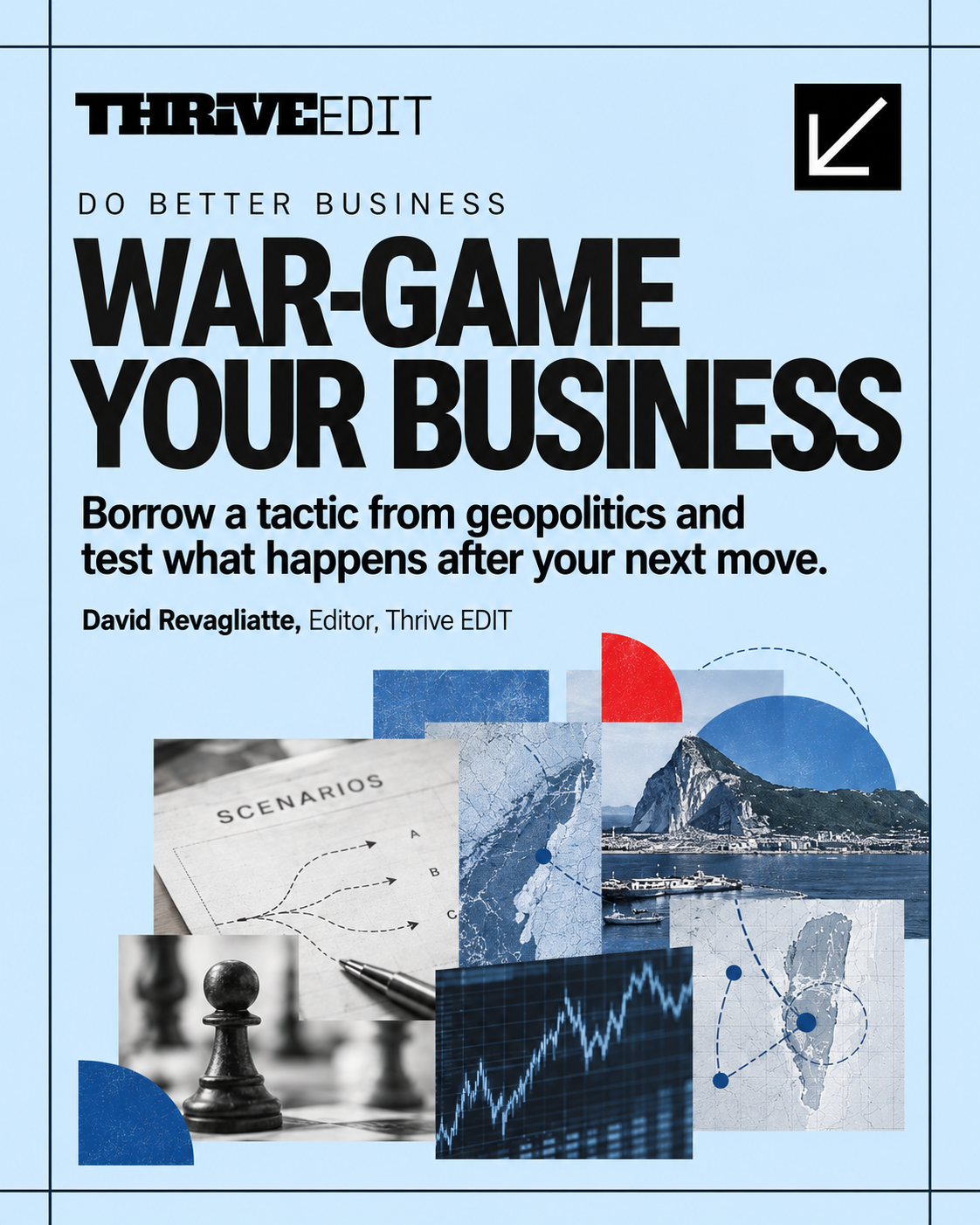

Governments and geopolitical strategists use simulations to test what might happen when other players react. The same thinking can help businesses challenge assumptions, anticipate competitors and prepare for decisions before real money is on the line.

From Hong Kong to Abu Dhabi, Gibraltar is pursuing new industries and investors as part of a major economic diversification drive. Minister Nigel Feetham says the campaign is already generating business. The bigger question is how far those opportunities can spread through Gibraltar’s wider economy.

Gibraltar plans a new residency route for financially independent over-55s alongside a new business think tank announced at GibLink London.

New frontier lanes and discussions around a cross-border transport interchange raise questions about buses, workers, visitors and business connectivity.
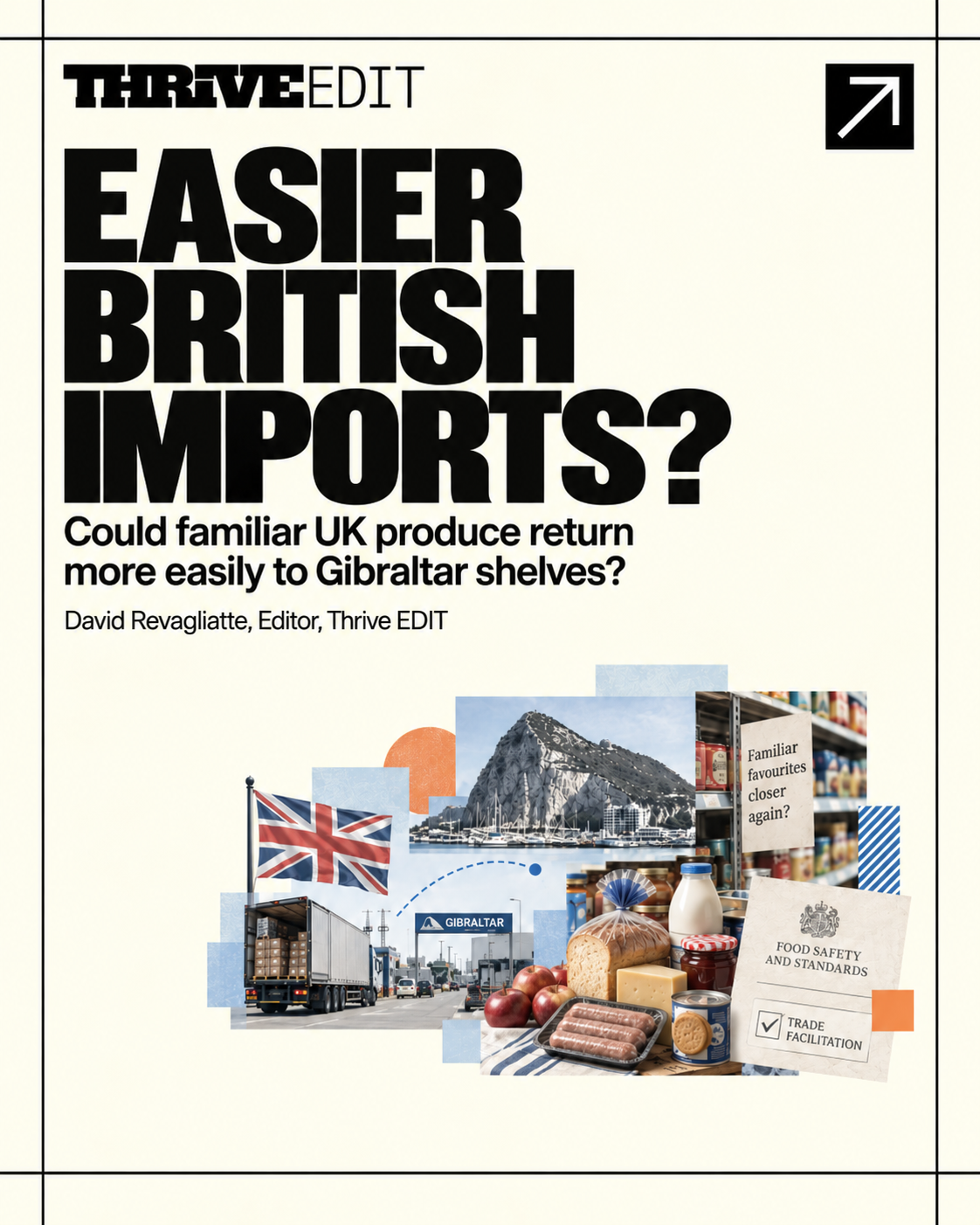
Could a future UK-EU food agreement make it easier for British produce to return to Gibraltar shelves? British produce has long been part of Gibraltar’s shopping experience; I wrote about it a couple of years ago, before we had a Treaty in place. From supermarket staples and fresh food to familiar household brands, we’ve spent […]