

 Gibraltar Federation of Small Businesses


 Gibraltar Federation of Small Businesses

A Member Opinion from Stuart Hedley
The cable car isn’t just a huge tourist attraction for Gibraltar – it’s a vital part of our tourist transport infrastructure. Just as we plan to remove the border, and enjoy what many expect to be a visitor boom, the cable car will close. GFSB Member, tourism business operator, and Upper Rock enthusiast Stuart Hedley of EBike Gibraltar asks – what’s the plan for plugging this major gap in our tourism transport strategy? And are we underselling this amazing tourist product short by whizzing our visitors through it, rather than upselling the whole product as being worthy of a lengthy visit or even a multiple day experience?
As we are all aware, the Upper Rock Nature Reserve is one of our signature visitor experiences and reasons for tourist visits — dramatic views, the famous Barbary macaques, caves, tunnels, heritage sites and unique flora and fauna. 2017 holds the record for the highest number of recorded visitors (≈ 1,033,024) and recent data suggests a very strong recovery post-pandemic with FY 2024/25 ticket sales reported as 907,841 in July’s budget. Govt figures for 2017 suggest 377,665 visitors accessed the top station by cable car, over one third of the total visitor for the year.
So what happens when the cable car service is postponed for refurbishment and we potentially have an additional third of our visitors attempting to access the Reserve on the already congested road network?
While we await official contingency plans to be revealed it seems likely that both tour operators and visitors will need to recalibrate expectations.
Ticket price: amazing value, poor value or both?
The one-day ticket for adults (12 yrs and over) is currently £30, with children (5– 11yrs) at £22, and under-5s free. That ticket gives access to all the main attractions within the Reserve: the caves, tunnels, the Skywalk, the Apes’ Den and more.
On one hand, for a visitor who arrives early and has the full day walking, or half day on an eBike exploring the full list of attractions and enjoying all of the views, the price represents exceptional value. On the other hand, for someone who only has a short time and is taken through the reserve by taxi or bus on an express tour, or who simply wants to walk or ride through the Reserve without visiting all the paid attractions, the £30 entrance cost can feel abysmal value. It is safe to assume that when the cable-car is unavailable and access will take more time and effort, value is going to be further called into question.
For day-trip visitors arriving by coach, or cruise-ship visitors with 2–3 hours, the question must be: what portion of the attractions can realistically be visited? If only one or two sites, then paying full admission starts to feel hard to justify. One Reddit traveller put it this way:
“the ticket is quite expensive (£30) but I think it’s worth visiting at least once in your life … we walked about 13 kilometres … still didn’t quite see everything because we didn’t have the time.”
When the cable-car service is postponed and traffic is bumped further onto road- based transport, this pressure will only increase. Tour operators must accordingly factor in increased journey times, congested drop-off zones, stressed and disgruntled drivers, and potential reputational risk if their clients encounter unpleasant journey experiences.
Sustainability, emissions and enforcement: a gap in delivery
A protected nature reserve such as the Upper Rock is not just a tourist attraction, it is a place of rare species, flora and fauna, and unique habitats. The management plan published in 2019 referenced additional concessions to tour operators who use low-emission vehicles and despite the fact that announcement is still yet to be honoured, responsible tour operators are already seeking electric or emission-free vehicles as credible alternatives to their current fleets.
Meanwhile, however, there appears to be no systematic enforcement of rules or strong action to reduce unnecessary idling engines, or other infringements inside the Reserve that affect the wildlife and environment. Visitors have noted some guides’ behaviour (feeding monkeys, blocking drop-off zones, not switching off engines) that undermines the “nature reserve” ethos. This is reflected in online reviews;
Review on Tripadvisor: Jul 2025 “Like walking in a traffic jam
Could be one of the best tour. Historic places, Monkeys etc… however in reality you walk down a narrow lane with full of minivans and Taxis who are constantly idling engines, honk and push you down on the road.
Even that it is written several places “do not feed monkeys” the drivers feed them to entertain their passengers who stuck in the traffic jam for hours.”
Without credible action, the message to the visitor becomes: “pay £30 to enter a nature reserve … but you’ll experience heavy bus/taxi traffic, engine noise, vehicle- related stress and uncertain driver behaviour.” That erodes both the sustainability credentials and the visitor promise of tranquility and nature. All attraction operators and tourist experiences should understand the importance that other potential visitors attribute to peer reviews, and when negative reviews are received a response is needed to show that someone cares.
For operators and authorities alike, if the higher admission price is to be justified, it must be matched by a consistently excellent holistic visitor experience—transport, access, driver behaviour, environmental credentials, value for money.
What could be done? A joined-up approach
With the absence of a major carrier into the Upper Rock, serious consideration needs to be given as to how we facilitate access to the same numbers of visitors. Thought must be given not just to the Upper Rock itself but how we get visitors into and around Gibraltar, keep them here, and get them enjoying our tourist experience including the Upper Rock.
What now?
The Upper Rock Nature Reserve remains a spectacular asset. The £30 ticket is justifiable if the visitor spends a good portion of the day, or indeed more than one day (if that option was introduced), uses many of the attractions and has smooth transport access. However, when transport bottlenecks cascade into stress, when vehicle-based tours dominate rather than the tranquillity of nature, and when value for time is compromised, then both tour- operators and Gibraltar itself risk reputational damage. The transport issue isn’t just about the Upper Rock itself, but also a question more widely for the Gibraltar tourist industry.
We are fortunate that many drivers within the Reserve understand they are ambassadors for Gibraltar — courteous, considerate behaviour from them helps deliver the exceptional visitor experience we all want. Many reviews attest to this. However, just a few instances of unsavoury behaviour, aggressive jockeying for business, or environmental disregard by some drivers drag down the whole operator community and the destination’s brand.
With the likelihood that more vehicles and more pedestrians will be entering the Reserve to compensate for the forthcoming cable-car downtime, now is the time to unite all stakeholders under a clear code of conduct, matched by improved access, driver behaviour, sustainable fleet investment and transparent value offers. Until we achieve that, we risk escalation of tension, congestion, degraded nature-experience, and the erosion of the reputation of this remarkable Rock. The long term outlook for the whole destination becomes compromised and everyone loses.
By Stuart Hedley
Full disclosure – the author of this opinion piece is the owner-operator of EBike- Gibraltar, a local business established in 2019 to deliver premium, active and emission-free eBike experiences.




Governments and geopolitical strategists use simulations to test what might happen when other players react. The same thinking can help businesses challenge assumptions, anticipate competitors and prepare for decisions before real money is on the line.
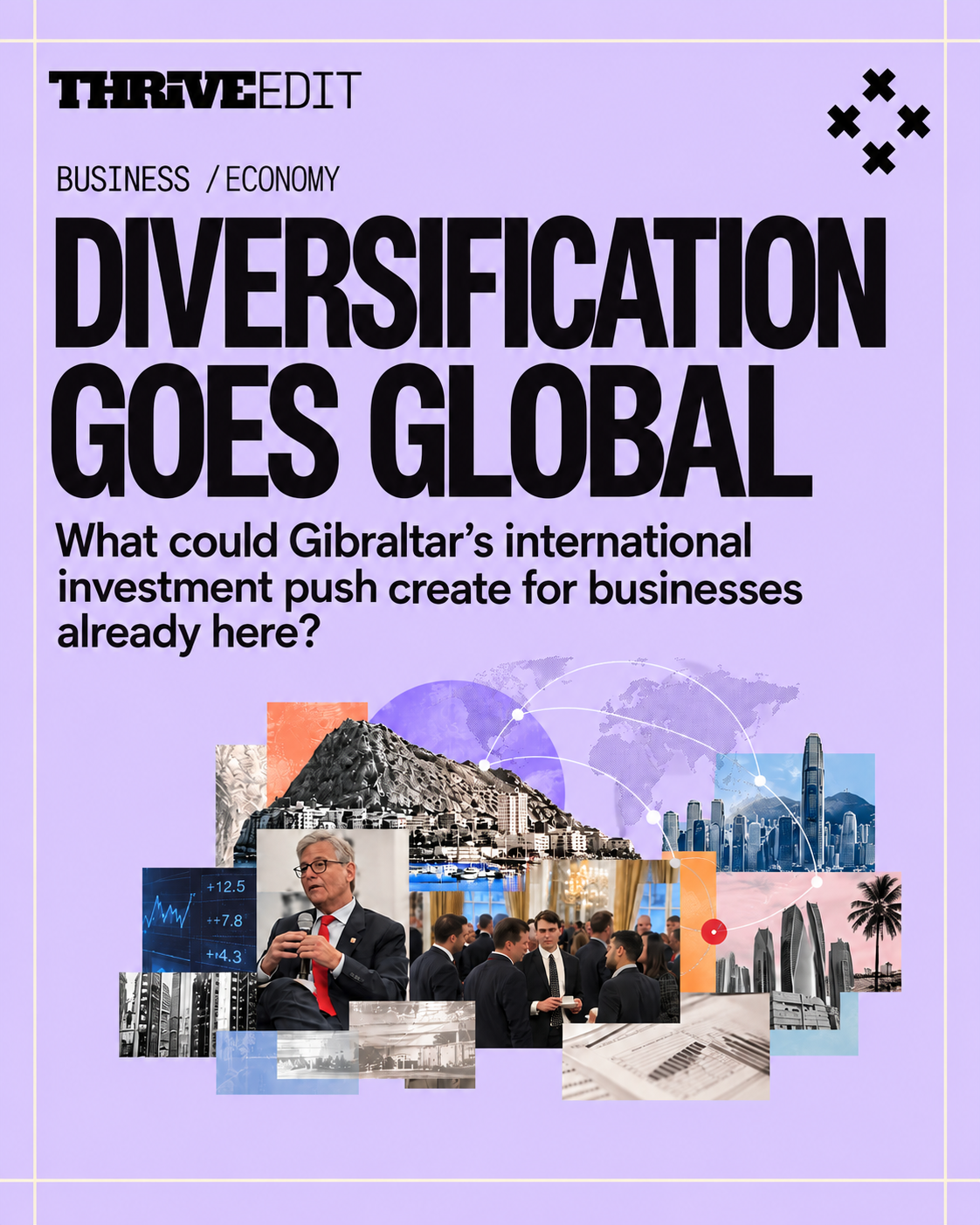
From Hong Kong to Abu Dhabi, Gibraltar is pursuing new industries and investors as part of a major economic diversification drive. Minister Nigel Feetham says the campaign is already generating business. The bigger question is how far those opportunities can spread through Gibraltar’s wider economy.
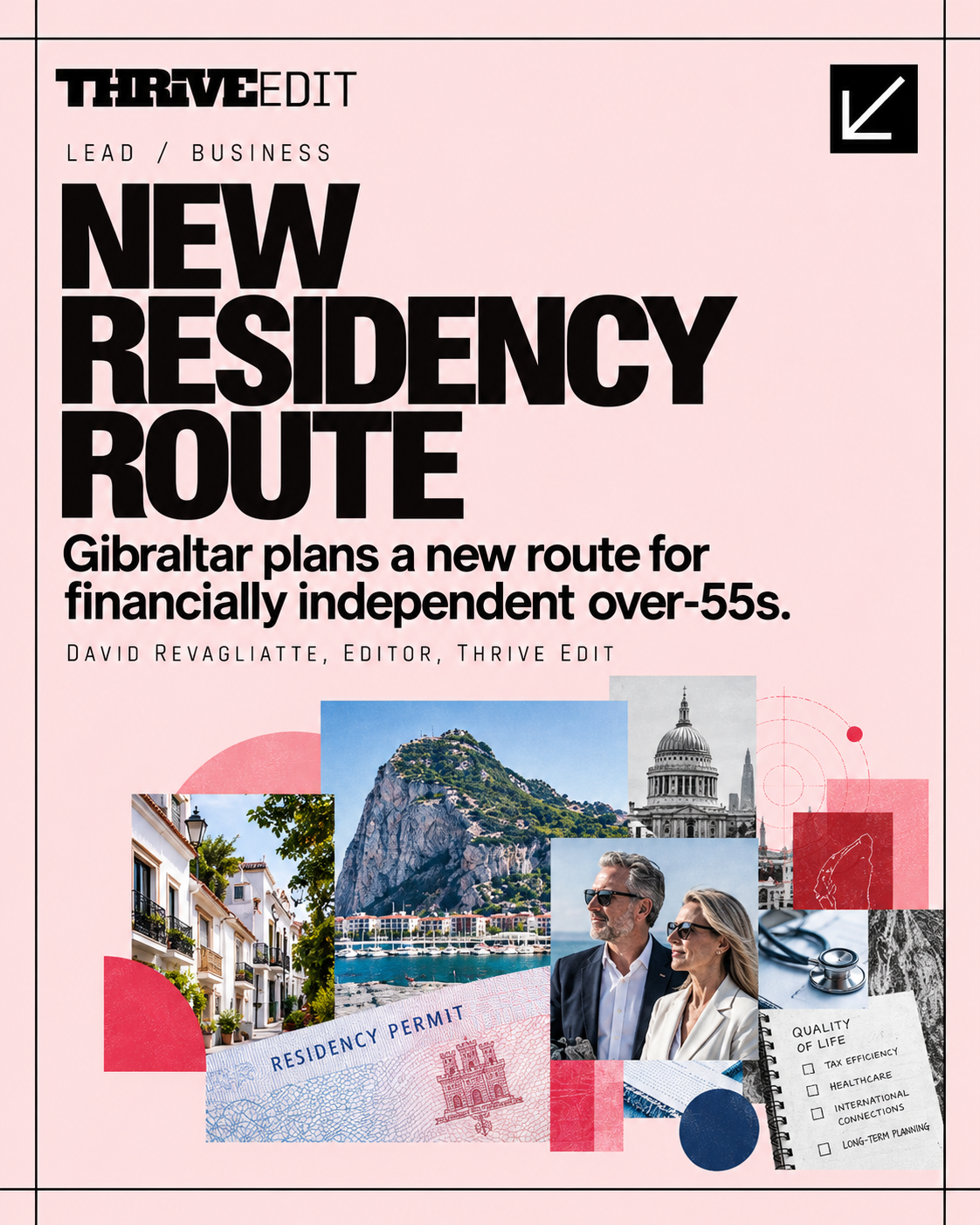
Gibraltar plans a new residency route for financially independent over-55s alongside a new business think tank announced at GibLink London.
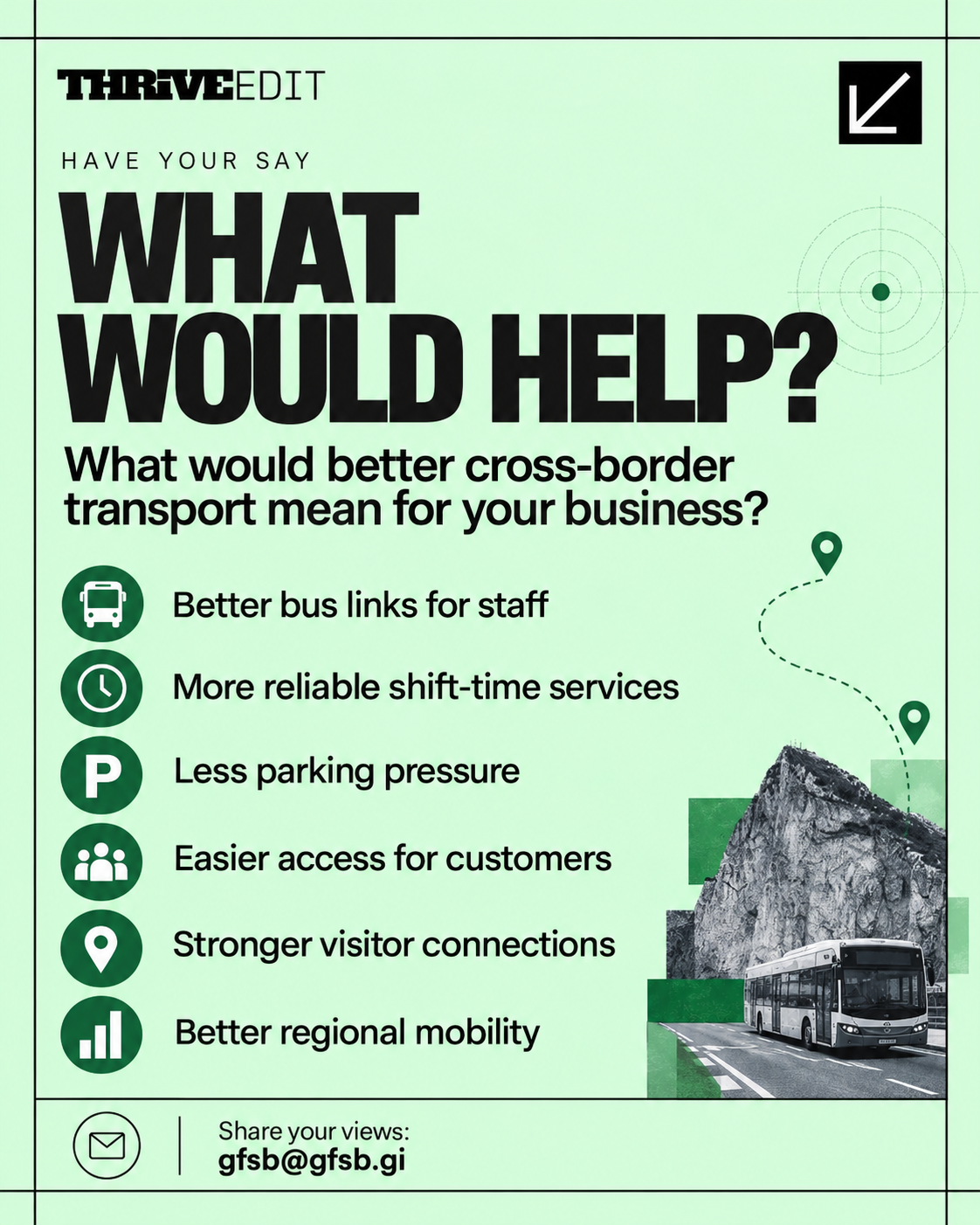
New frontier lanes and discussions around a cross-border transport interchange raise questions about buses, workers, visitors and business connectivity.

Could a future UK-EU food agreement make it easier for British produce to return to Gibraltar shelves? British produce has long been part of Gibraltar’s shopping experience; I wrote about it a couple of years ago, before we had a Treaty in place. From supermarket staples and fresh food to familiar household brands, we’ve spent […]