
 Gibraltar Federation of Small Businesses


 Gibraltar Federation of Small Businesses


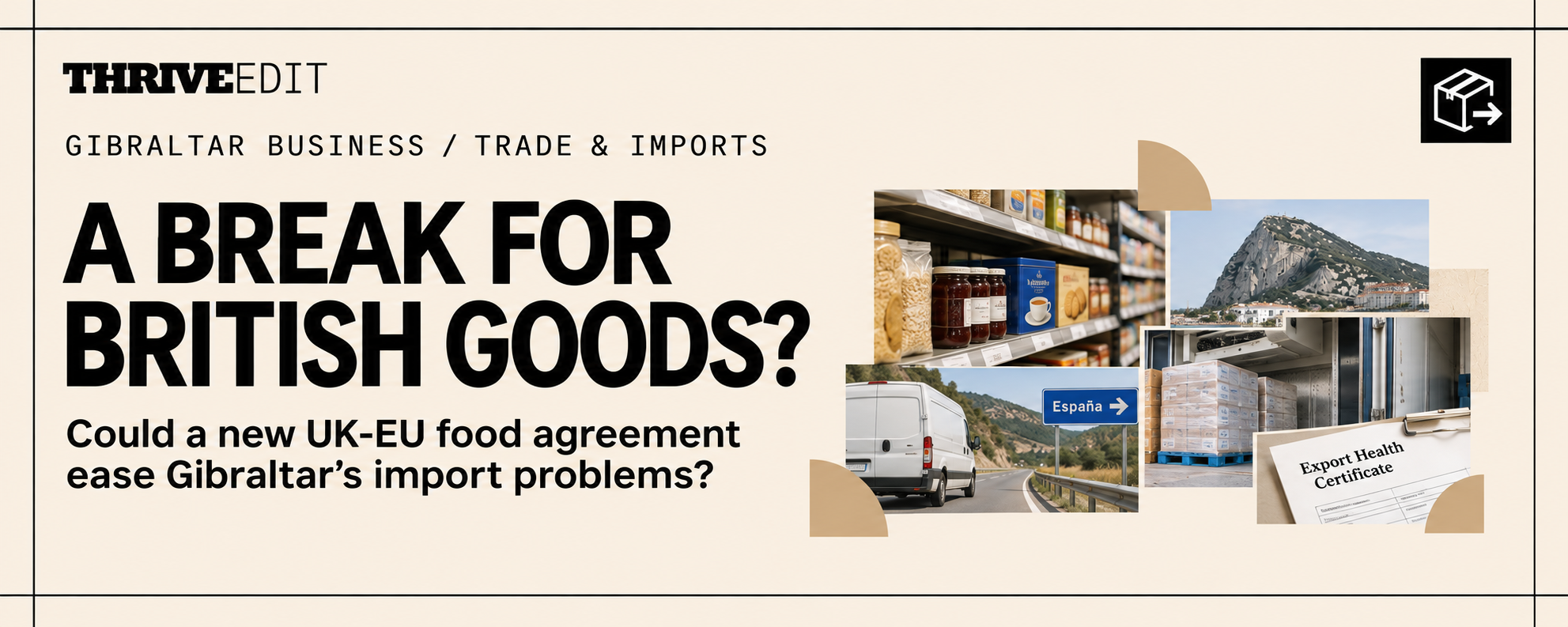
The UK and EU have agreed to remove many of the checks affecting British food and agricultural exports. It’s potentially good news for Gibraltar importers, although businesses will have to wait until 2028 to see the benefits.
For Gibraltar businesses struggling to bring goods in from Britain, last week’s UK-EU summit delivered some welcome news.
The two sides have concluded negotiations on an agreement that should make it considerably easier to move food and agricultural products between Great Britain and the EU. It’s a development worth watching in Gibraltar, where importers have spent the past four months adjusting to new customs arrangements following implementation of the Treaty in July.
While EU-origin goods have generally been moving more smoothly, businesses have continued reporting substantial delays and additional administration affecting shipments from the UK. The new agreement could eventually address some of those difficulties, particularly for retailers and wholesalers importing British food.
There is, however, an important catch. The changes are scheduled for 1 March 2028, subject to the remaining legal and implementation procedures.
The agreement covers sanitary and phytosanitary rules, commonly known as SPS. These are the health and safety requirements governing products such as meat, dairy, fish, plants and other agricultural goods.
Since Brexit, many British products entering the EU have required additional certificates, inspections and documentation. Under the new agreement, Britain will align with the EU’s relevant standards, allowing most routine SPS checks and certification requirements to be removed. The UK Government estimates that removing Export Health Certificates could save exporters up to £200 per certificate.
Some British products that have faced restrictions since Brexit, including fresh sausages and burgers, could also become easier to export into the European market. For Gibraltar, that could help restore access to products that local retailers have struggled to source through the new arrangements.
Earlier this month, Eroski Gibraltar director Daniel Massias told GBC that the proposed agreement could allow the supermarket to stock products it currently cannot import, while reducing paperwork and costs on other goods. Morrisons Gibraltar also welcomed the prospect of reducing unnecessary trade friction.
The agreement formally concerns trade between Great Britain and the EU. Gibraltar is outside its stated territorial scope, although British products entering Gibraltar through Spain may benefit from the simplified EU entry requirements.
That’s particularly relevant because Gibraltar’s Treaty arrangements involve goods being processed through Spanish customs before entering the local market.
Removing some of the certificates and inspections required for British food could help reduce processing time and associated costs. It could also make it easier for local businesses to work with British suppliers that have found exporting into the EU commercially unattractive since Brexit. For local retailers, greater access to familiar British products could strengthen their offer to local customers and visitors.
The proposed agreement covers a defined range of food, agricultural and related products. It does not remove the wider customs requirements affecting British goods. Businesses importing clothing, electronics, household products and other general merchandise will still need to navigate the applicable customs arrangements.
The new agreement also does not remove Gibraltar’s Transaction Tax or automatically resolve the administrative difficulties that importers have experienced since July. At its November meeting, the Business Transition Advisory Group discussed continuing problems with customs procedures, processing costs and duplicated administration.
HM Customs has since outlined further training and guidance for traders and clearing agents, alongside work to simplify procedures. Those improvements remain important because businesses need more reliable goods movements now, rather than waiting for the new UK-EU agreement to take effect.
The next question for Gibraltar importers is how the UK-EU agreement will be reflected in the procedures used to bring goods through Spain. Businesses will need clarity on which products qualify, what documentation will remain necessary and whether the changes could help improve supply arrangements with British wholesalers.
There may also be opportunities for local retailers to revisit product ranges that have become difficult or expensive to maintain. For now, existing import requirements continue to apply. The agreement offers a credible prospect of simpler access to British food products, although its practical benefits for Gibraltar will depend on detailed implementation.
After several difficult months for importers, that prospect is encouraging. The immediate priority remains making the current system work more efficiently, while preparing for the further changes that could follow in 2028.
Source links:
UK Government | UK-EU Summit 2026 SPS explainer | 20 November 2026
UK Government | Changes to importing and exporting food, animals and plants
Gibraltar Chronicle | UK and EU summit and Gibraltar Treaty | 20 November
GBC | Gibraltar retailers respond to the proposed SPS agreement | 3 November
HMGoG | Business Transition Advisory Group | 10 November


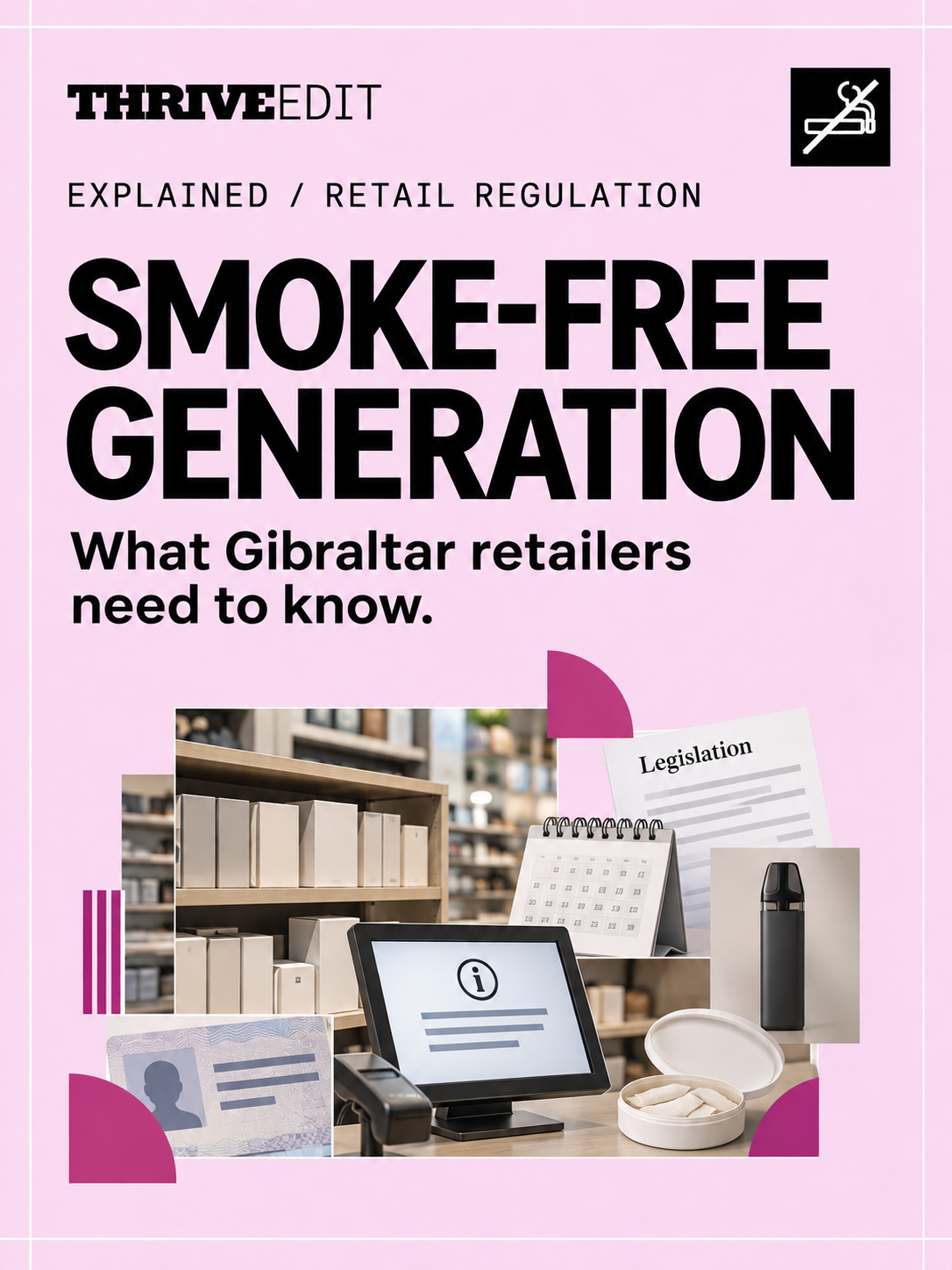

Gibraltar’s proposed smoke-free generation law could change how retailers sell tobacco, disposable vapes and nicotine products. Our practical explainer covers the generational sales restriction, the proposed bans, compliance checks and the transition period for existing stock.

What happens to an insurance claim if the business responsible becomes insolvent? Gibraltar has passed new legislation intended to let eligible third parties pursue insurers directly. Our Explained guide covers who could benefit, what claimants still need to prove and why payment is not guaranteed.

Gibraltar’s frontier is entering another phase of redevelopment, with work under way on a £6.3m multi-agency facility and further changes planned for transport and roads. We examine the construction timetable and what the changes could mean for commuters, visitors and local businesses.
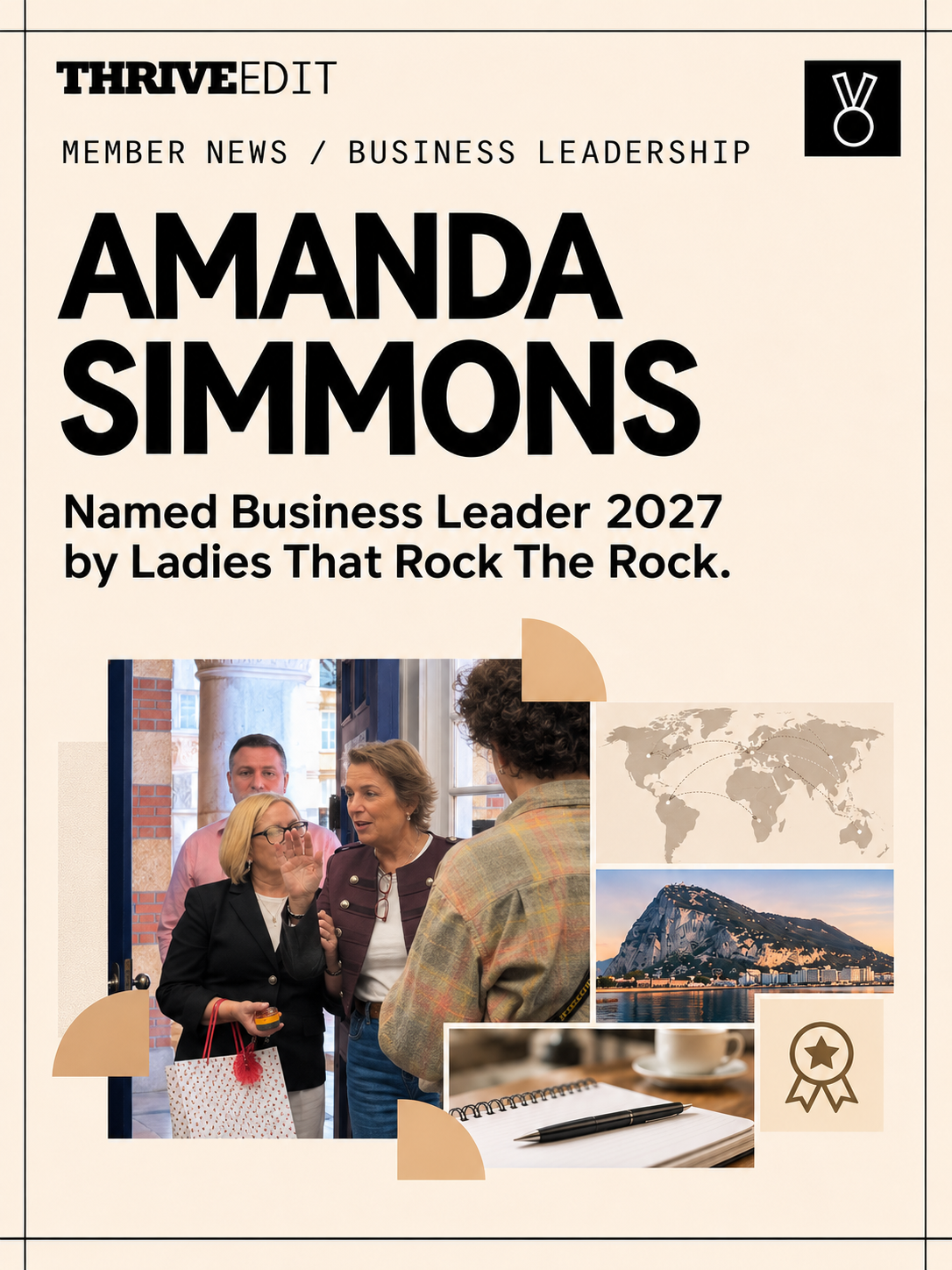
Gibraltar entrepreneur and GFSB member Amanda Simmons has been named Business Leader 2027 by Ladies That Rock The Rock. The award recognises a remarkable career that has taken her from the Royal Air Force to international professional services and the creation of Advisiom Global M&A, headquartered in Gibraltar.

How comfortable are we talking about our own achievements? The latest GFSB Women in Enterprise breakfast explored personal branding, confidence and professional visibility, with Grace Davis, Zoe Frendo and Jessica Podesta sharing their experiences and practical advice on making yourself more visible at work.