
 Gibraltar Federation of Small Businesses


 Gibraltar Federation of Small Businesses

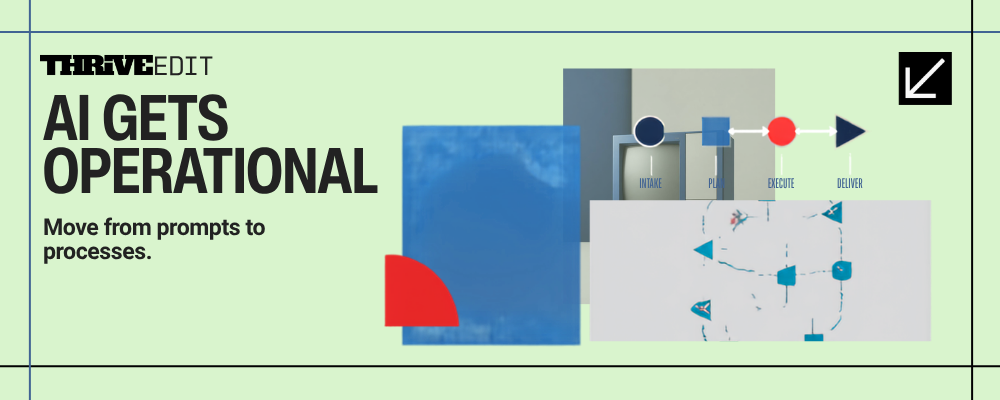
AI adoption is accelerating. The bigger opportunity now lies in redesigning workflows, improving decisions and creating capacity that can be measured.
The easy part of AI adoption happened first. Businesses discovered they could draft an email faster, summarise a meeting, generate some social copy or interrogate a document in seconds. Useful? Absolutely. Transformational? The evidence suggests there is much more value still sitting on the table.
McKinsey’s latest global AI research found that 94% of organisations have yet to generate meaningful value from AI at scale. Agentic AI is progressing too, although the gap between large and smaller organisations is already visible: 40% of large organisations surveyed said they were scaling AI agents, compared with 22% of smaller organisations.
For a smaller business, the opportunity comes from connecting AI to an actual commercial constraint.
Where are you losing time? Where does information get stuck? Which decisions take too long? Where are good people repeatedly doing work that adds little value?
Those are much more interesting questions than which AI platform has launched the latest feature.
Start with the constraint
Consider a business where incoming enquiries arrive by email, WhatsApp and social media.
A member of staff reads each one, works out what the customer needs, checks information elsewhere, drafts a response and perhaps remembers to log it afterwards. AI could make the reply quicker – a better intervention looks at the entire workflow.
An AI-assisted system could classify the enquiry, pull relevant information from an approved knowledge base, suggest the appropriate response, identify high-value leads, create a CRM entry and flag anything requiring human judgement.
The same principle can apply to proposals, onboarding, customer service, marketing approvals, supplier reviews, recruitment, internal reporting and scores of other processes. Google Cloud’s latest guidance for lean teams makes a similar point: the opportunity for SMEs is increasingly moving from isolated AI pilots into the real workflows, decisions and systems used every day.
Redesign the workflow
Most businesses have accumulated processes rather than designed them. A task gets added. Someone creates a spreadsheet. Another person introduces an approval. Information moves into a new system. Five years later, nobody is quite sure why three people are touching the same piece of work.
AI provides a useful reason to revisit that architecture. Map a process from beginning to end and identify:
Then rebuild the sequence.The commercial goal might be reducing a two-day quotation process to two hours, improving lead response times or giving a manager the information needed to make a pricing decision immediately.
Turn business knowledge into infrastructure
One of the more valuable applications for smaller businesses could also be one of the least flashy: organising what the company already knows.
Policies sit in folders. Product information lives in PDFs. Experienced employees remember things that were never written down. Client history is scattered between inboxes and systems. AI becomes considerably more useful when it can work from an organised body of approved business knowledge.
That could mean creating an internal assistant capable of answering questions from company procedures, previous proposals, product documentation, training material or other controlled sources.
It can also reduce dependence on institutional memory. For a small business, losing one experienced employee can remove an extraordinary amount of practical knowledge overnight. Capturing more of that expertise creates resilience and makes it easier for newer staff to become productive.
Move towards agents with caution
The next development businesses will hear considerably more about is agentic AI.
Agents can work through multi-stage tasks, use tools and take actions according to defined instructions rather than waiting for a fresh prompt at every stage. The potential is considerable. McKinsey’s 2026 survey found that almost a third of organisations surveyed had already decided against buying at least one software product or feature because agentic coding tools allowed them to build the capability internally.
For smaller businesses, useful applications could include monitoring incoming enquiries, preparing account information ahead of meetings, checking datasets for anomalies or compiling regular management information.
The quality of the underlying process still determines the result.
Clear permissions, reliable source information, defined escalation points and human oversight should be designed into the workflow from the beginning.
Measure the decision dividend
There is another AI opportunity that tends to receive less attention: improving the speed and quality of business decisions. McKinsey describes decision-making as one of the largest hidden operating costs inside organisations. Time disappears into gathering information, comparing options, meetings, approvals and waiting for somebody to find the right answer. AI can compress some of that cycle considerably.
Apply that thinking to how you price things. Instead of a manager manually pulling together historical prices, current costs, customer information and margin data, an AI-enabled workflow could prepare that decision pack automatically and highlight the variables that need attention.
The manager still makes the commercial decision. They simply reach it with better information and less delay. That is a much richer productivity measure than counting how many hours somebody saved drafting emails.
Pick one process
If you’re looking to move beyond AI experimentation, a useful next step is to choose one commercially meaningful process and examine it properly.
How long does it currently take? How many people touch it? What does an error cost? How quickly does the customer receive an answer? What conversion rate does it produce? Then redesign the workflow with AI incorporated at the points where it can genuinely improve performance.
Run it alongside the existing process long enough to compare results. The businesses that become good at this will gradually build an internal capability: identifying constraints, restructuring workflows and measuring the resulting gains.
AI tools will continue changing at extraordinary speed. A business that learns how to turn those tools into better operations has something considerably more durable. Now all that’s left to do is, erm, do it…
Sources:
The state of AI in 2026: On the road to ROI
https://www.mckinsey.com/capabilities/quantumblack/our-insights/the-state-of-ai
Many AI pilots don’t make it — here’s how your business can beat the odds
https://cloud.google.com/transform/agentic-ai-for-lean-teams-ai-pilots-smb-playbook
The decision dividend: How AI creates economic value
https://www.mckinsey.com/industries/industrials/our-insights/the-decision-dividend-how-ai-creates-economic-value


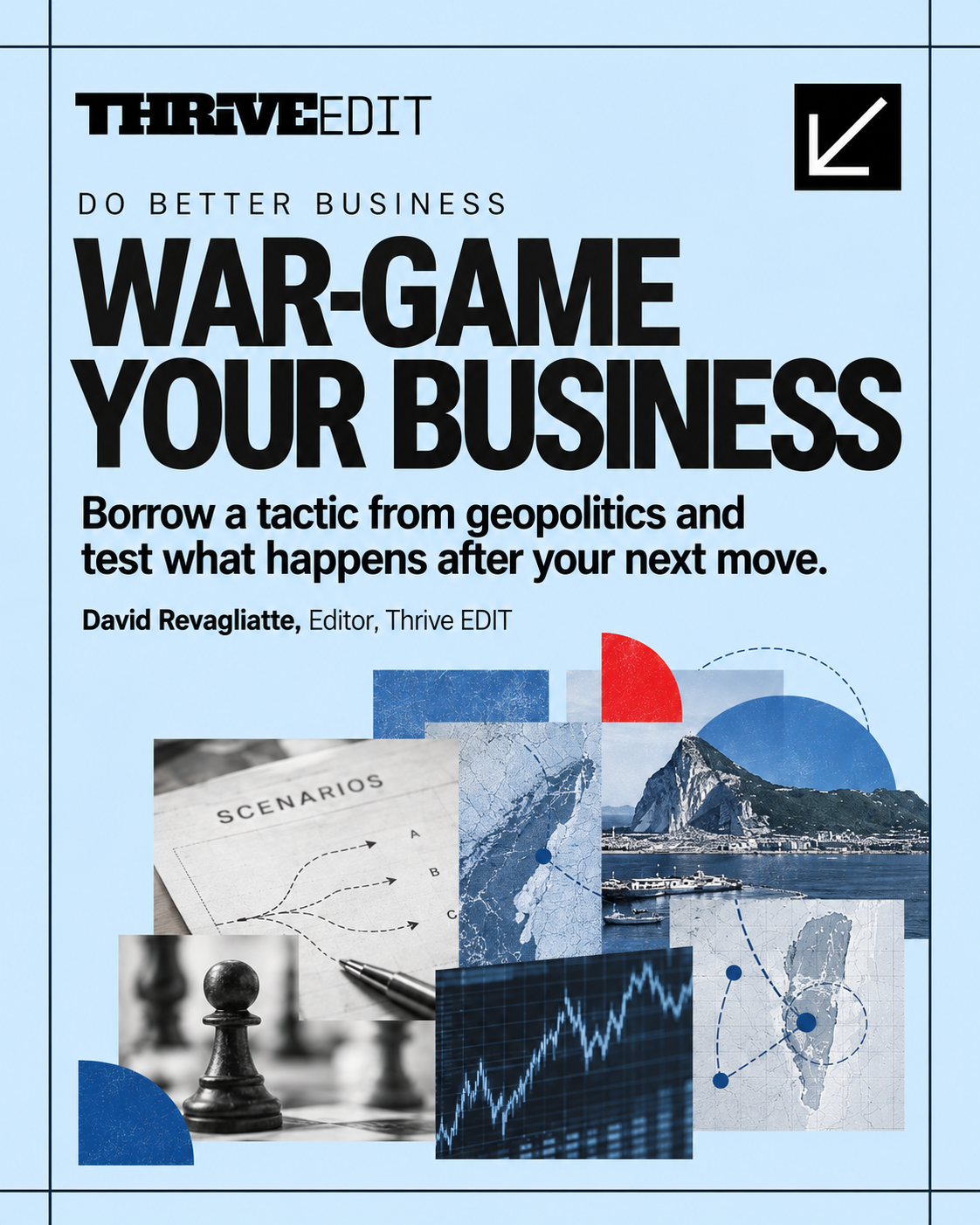

Governments and geopolitical strategists use simulations to test what might happen when other players react. The same thinking can help businesses challenge assumptions, anticipate competitors and prepare for decisions before real money is on the line.
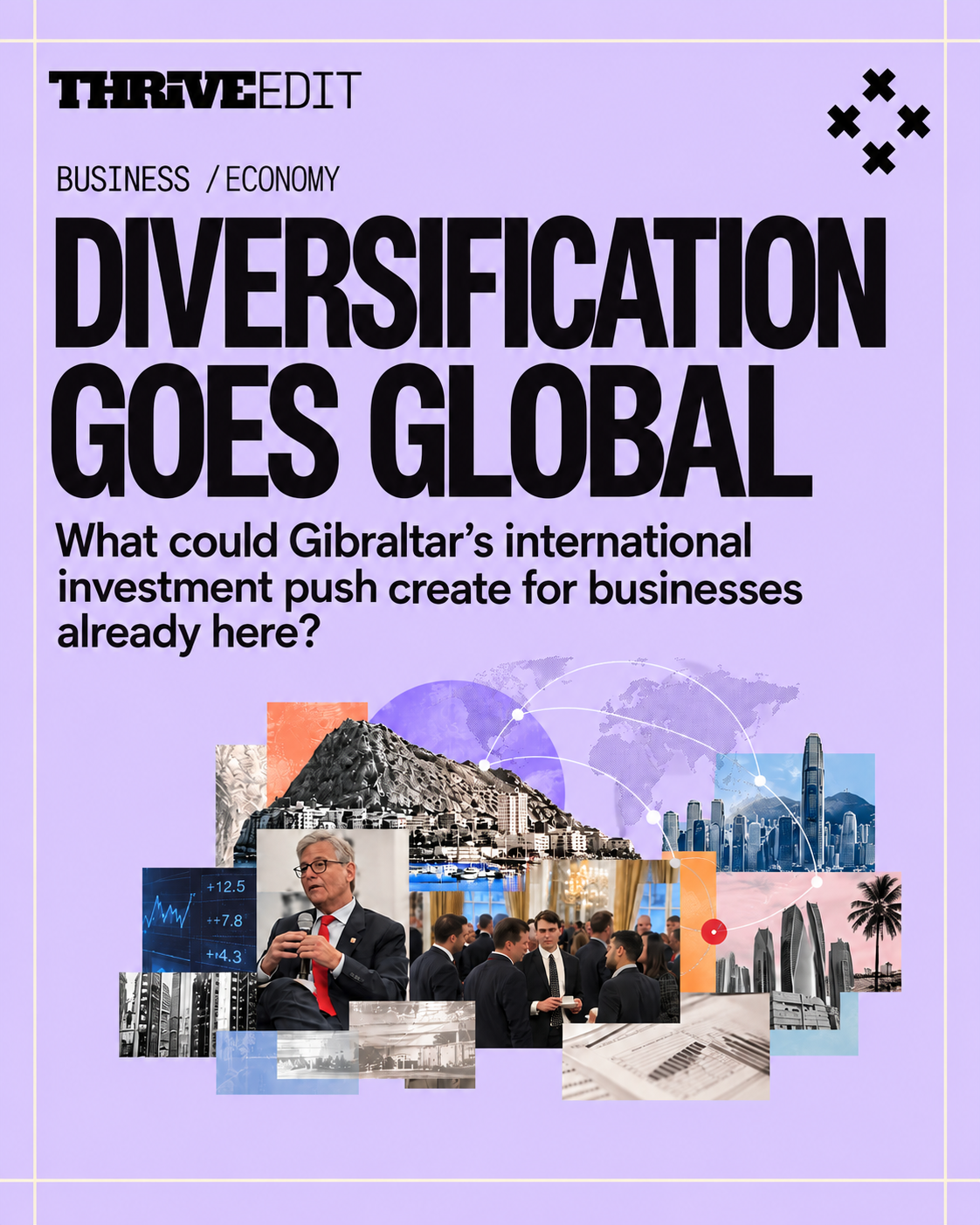
From Hong Kong to Abu Dhabi, Gibraltar is pursuing new industries and investors as part of a major economic diversification drive. Minister Nigel Feetham says the campaign is already generating business. The bigger question is how far those opportunities can spread through Gibraltar’s wider economy.

Gibraltar plans a new residency route for financially independent over-55s alongside a new business think tank announced at GibLink London.
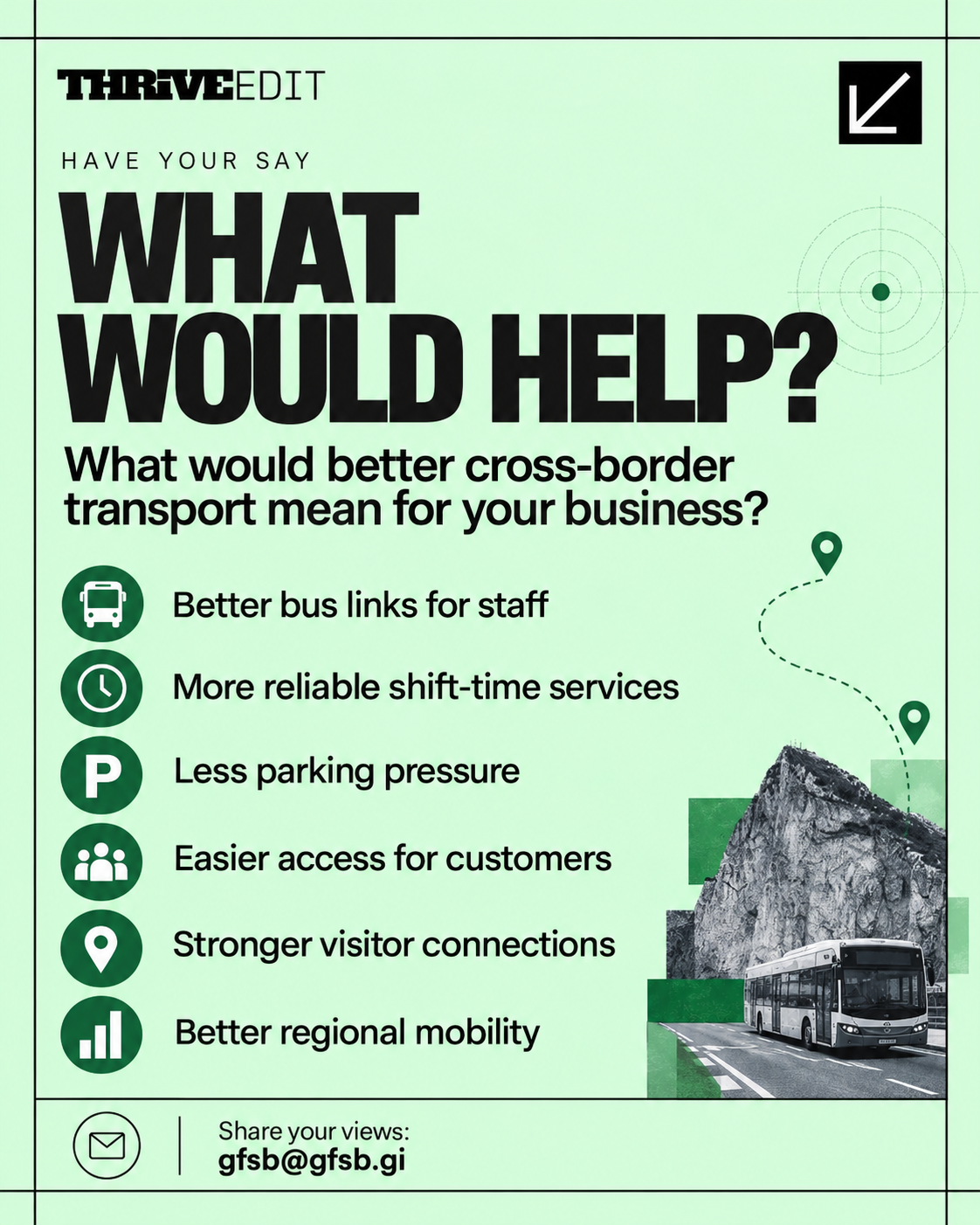
New frontier lanes and discussions around a cross-border transport interchange raise questions about buses, workers, visitors and business connectivity.

Could a future UK-EU food agreement make it easier for British produce to return to Gibraltar shelves? British produce has long been part of Gibraltar’s shopping experience; I wrote about it a couple of years ago, before we had a Treaty in place. From supermarket staples and fresh food to familiar household brands, we’ve spent […]