

 Gibraltar Federation of Small Businesses


 Gibraltar Federation of Small Businesses

The Government has issued a formal corrigendum to the Litter Control (Amendment) Act 2024, clarifying who is liable for littering offences involving vehicles and strengthening enforcement against companies and their officers.
The correction tightens accountability while removing unintended liability for certain vehicle owners. For businesses, especially those operating fleets, public service vehicles or company cars, the changes clarify exposure and raise the stakes for corporate responsibility.
Here’s what’s changed
Fines confirmed
The corrigendum formally confirms penalty levels:
Evidence clarified
Certificates issued by the litter authority confirming whether a penalty has been paid are now deemed conclusive evidence in legal proceedings, streamlining enforcement and reducing scope for dispute.
What businesses should take from this
If you have a business vehicle or operate a fleet, you should review internal policies and signage, particularly where staff or customers travel in company vehicles.
Directors and senior managers should note the explicit extension of personal liability. The changes underline a wider regulatory trend toward clearer enforcement and individual responsibility.




Governments and geopolitical strategists use simulations to test what might happen when other players react. The same thinking can help businesses challenge assumptions, anticipate competitors and prepare for decisions before real money is on the line.

From Hong Kong to Abu Dhabi, Gibraltar is pursuing new industries and investors as part of a major economic diversification drive. Minister Nigel Feetham says the campaign is already generating business. The bigger question is how far those opportunities can spread through Gibraltar’s wider economy.

Gibraltar plans a new residency route for financially independent over-55s alongside a new business think tank announced at GibLink London.

New frontier lanes and discussions around a cross-border transport interchange raise questions about buses, workers, visitors and business connectivity.
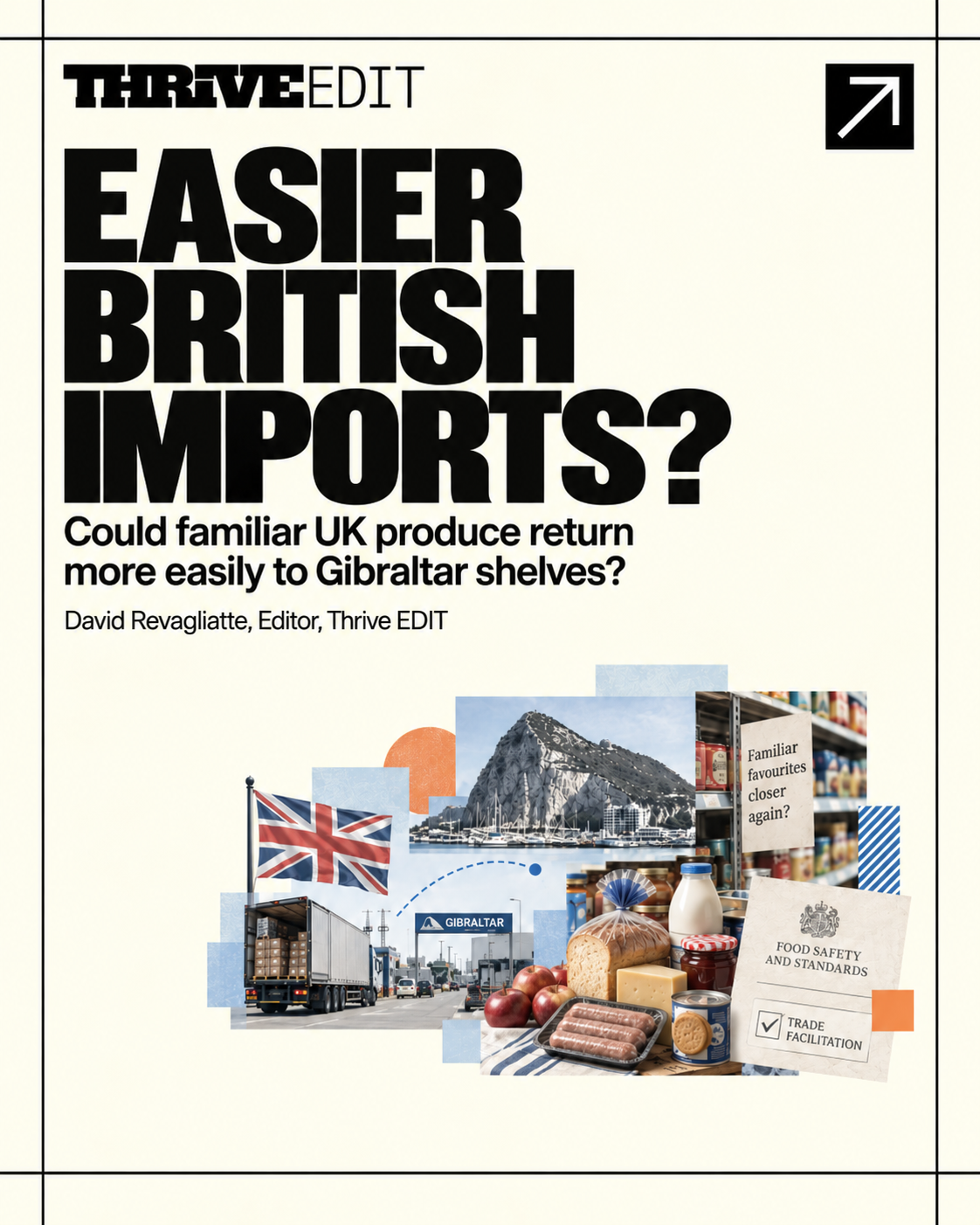
Could a future UK-EU food agreement make it easier for British produce to return to Gibraltar shelves? British produce has long been part of Gibraltar’s shopping experience; I wrote about it a couple of years ago, before we had a Treaty in place. From supermarket staples and fresh food to familiar household brands, we’ve spent […]