

 Gibraltar Federation of Small Businesses


 Gibraltar Federation of Small Businesses

The Government has introduced a new Employment (Amendment) Act 2025, confirming that key worker protections will apply during the transfer of services between companies, commonly known as TUPE (Transfer of Undertakings Protection of Employment) in the UK.
Why now?
The Government is likely proposing these changes now to align our local employment law with those already established in the UK and EU. Introducing a TUPE-style framework provides greater legal clarity and protection for workers during business transfers or outsourcing, something Gibraltar has lacked until now. Could this be another sign of regulatory groundwork ahead of a potential UK/EU Treaty?
What’s changed?
The new law amends Part VIB of the Employment Act to ensure that when a business or service is transferred to a new provider, employees are protected and their terms and conditions are preserved.
Specifically, it clarifies that the law applies in two main situations:
Key criteria for protection
According to the newly inserted section 78B(1A), for these protections to apply:
Why this matters
These amendments bring legal clarity to what happens when public or private sector contracts change hands. The new legislation ensures workers don’t lose their jobs or see worse conditions just because the company delivering the service has changed. Employers involved in contracting or outsourcing should take note of this updated legal framework and consider how it affects staffing, procurement, and bid submissions.
What employers should do
If you employ people, we suggest you audit your current employee structures to identify any groups that could be affected by the new rules. Ensuring full compliance when bidding for or handing over service contracts is essential, as employee rights must be protected during such transitions.
What do you think of this move, will it impact your business? Join the conversation on Glue Up’s Community pages.





How can businesses tell whether workplace training actually works? Explore practical ways to connect learning, behaviour and measurable performance.
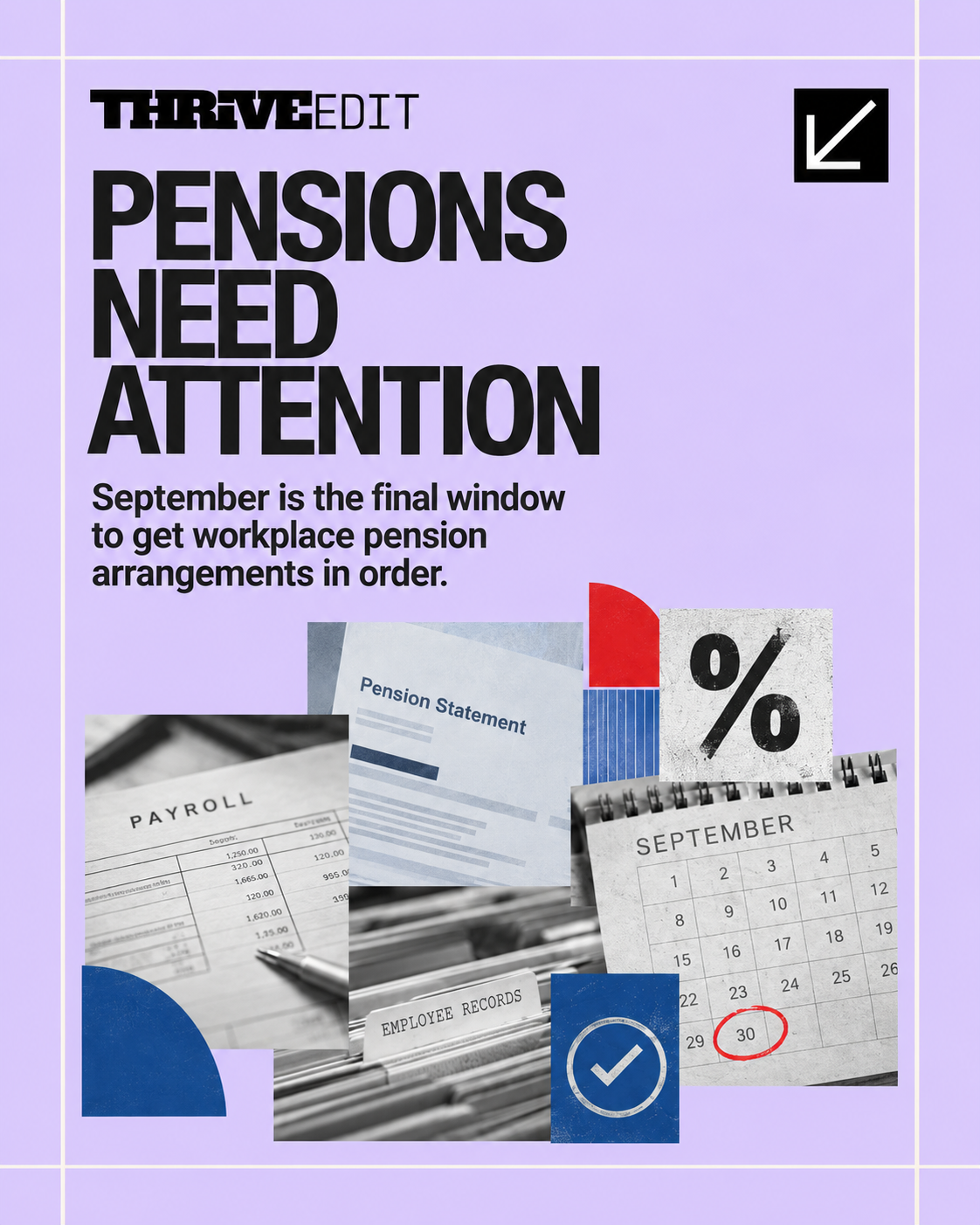
Employers with 15 to 50 staff are now inside the final workplace pension extension window. Check eligibility, contributions, opt-outs and compliance requirements.
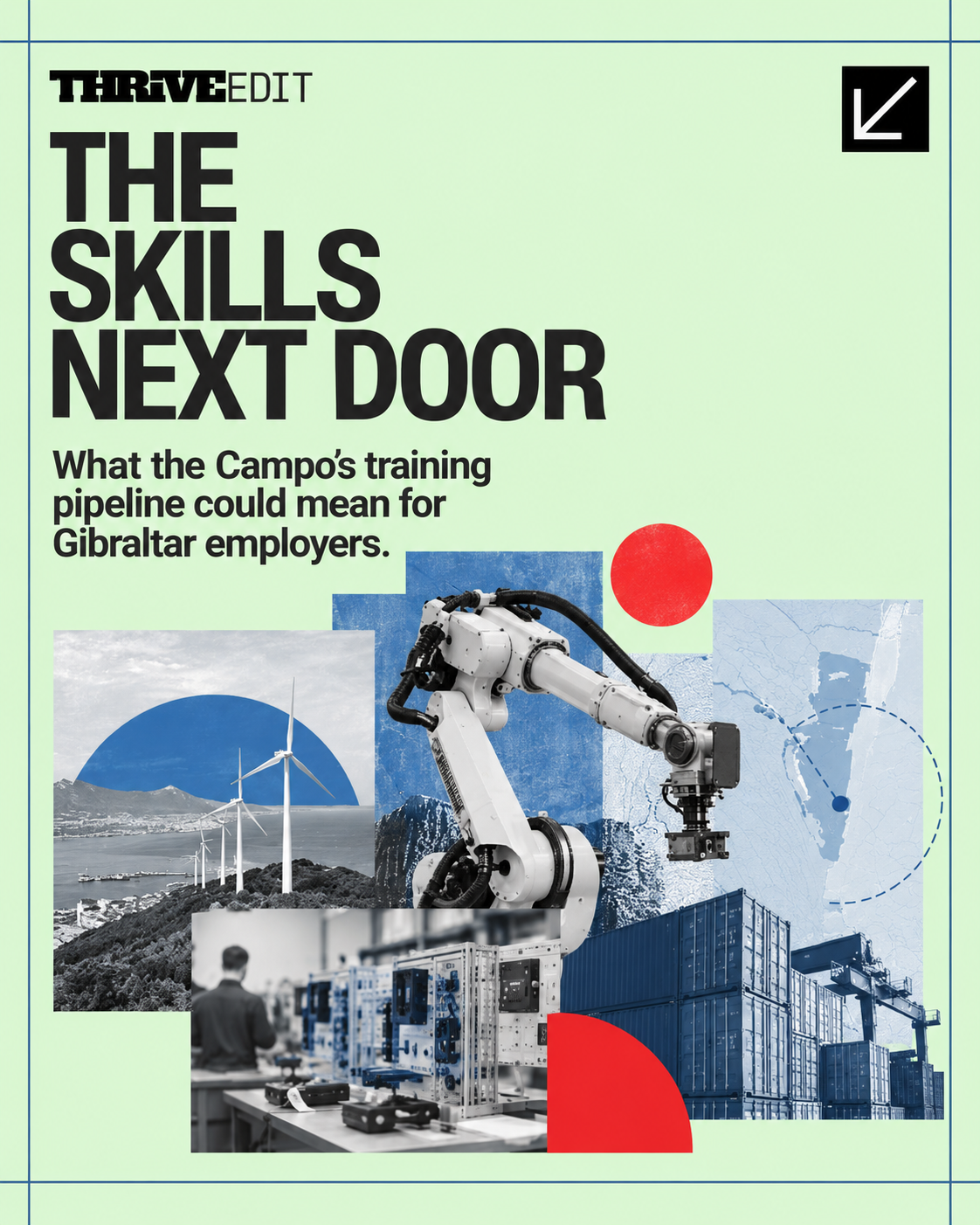
Investment in automation, logistics, tourism and green technology across the Campo de Gibraltar is reshaping the regional skills base. Here’s what Gibraltar employers should watch.

Imported goods around the Treaty changeover? It is worth going back through July’s paperwork. HM Customs has introduced a refund process for qualifying consignments that had already started their journey to Gibraltar before 15 July but were cleared afterwards.

Clocked out in August? Good for you. Thrive EDIT Editor David Revagliatte rounds up the Gibraltar business stories worth clocking back into. August is supposed to be the month when Gibraltar collectively eases off the accelerator. Judging by the news cycle, nobody told 2026. The first full month of life under the new Treaty arrangements brought a mixture of early optimism and very real teething problems for businesses. New employment rules landed, a pensions deadline crept closer, one of Gibraltar's most important airlines changed hands and a major local bank announced job cuts.